
“We will live in a united Ireland,” Sinn Féin leader Mary Lou McDonald declared to a crowd gathered on Dublin’s Moore Street, framing the fight for Irish unity as an ongoing struggle that remains unfinished. Speaking at the Reclaim Moore Street rally on Saturday afternoon, the Dublin Central TD used the historic site to call for direct state intervention to protect the area from private commercial development.
The demonstration, which drew approximately 250 people, centered on a demand for the Irish State to acquire a terrace of houses and surrounding laneways. This specific location holds immense historical weight, having served as the final headquarters for the leaders of the 1916 Rising. As reported by The Irish Times, the rally sought to transform the area into a dedicated cultural quarter, aligning it with ongoing regeneration efforts at the GPO and other central Dublin landmarks.
The tension at the heart of this movement lies in a clash between national heritage and urban commercial expansion. While certain sections of the street are already under state care, much of the surrounding fabric remains in private hands, creating a fragmented landscape of monuments and modern development plans.
The battle for the last 1916 battleground
The physical stakes of the dispute are clearly defined by the current ownership of the land. While numbers 14-17 Moore Street were designated as a national monument in 2007—and the Office of Public Works is currently constructing a 1916 visitor centre on that site—the neighboring properties tell a different story. According to reports from both The Irish Times and byteseu.com, the remaining terrace and adjacent areas are owned by Hammerson, a UK-based property group.
Hammerson’s approved masterplan for the site focuses on modern commercial utility, including the construction of a new town square, office spaces, hotels, and apartments. This vision stands in direct opposition to the rally’s goal of a unified cultural site. The conflict has already entered the legal arena; in 2022, Dublin City Council voted to grant full structural protection to numbers 10 and 20-21 Moore Street, but Hammerson has challenged that decision through a judicial review. That legal outcome remains pending.
For those whose families were directly involved in the 1916 Rising, the commercialization of the site feels like a dismissal of history. James Connolly-Heron, a great-grandson of 1916 leader James Connolly, spoke at the rally about the “insulting” nature of the current uncertainty. He argued that the only way to resolve the impasse is for the State to purchase the “sacred ground” to hold in trust for future generations.
“We cannot stand by and allow Dublin’s last surviving 1916 battleground to be lost to Hammerson, a British commercial developer.”
Connolly-Heron’s sentiment was echoed by other descendants, including Proinsias Ó Rathaille, the grandson of Michael Joseph O’Rahilly, highlighting the deep personal connection between the site’s physical geography and the Irish national identity.
A struggle for identity and land
McDonald’s rhetoric at the rally connected the immediate fight over Moore Street to the broader, more existential question of Irish sovereignty. She spoke of “generation after generation” struggling to reclaim language, land, and heritage, suggesting that the preservation of this specific street is a litmus test for the Republic’s commitment to its founding principles.

The rally featured a diverse coalition of voices, including Independent senator Frances Black and Green Party councillor Donna Cooney, all of whom lent support to the call for state acquisition. The argument presented is that the State has a moral obligation to act as a custodian of these historical sites, rather than allowing them to be subsumed by private interests.
However, the economic counter-argument remains a significant factor in Dublin’s urban planning. Proponents of large-scale development often argue that masterplans like Hammerson’s are essential for the economic vitality of the city center, providing the infrastructure and density required for a modern capital. The debate, therefore, is not just about history, but about how a city balances its past with its economic future.
As the judicial review regarding the structural protection of the buildings continues, the fate of Moore Street hangs in a legal and political limbo. For the protesters, the message to those in power was intended to be unmistakable.
“Our struggle is not over, that we are not done, but that we will live in that Republic that was proclaimed in 1916,” McDonald said.
- Upadacitinib Shows Significant Repigmentation in Phase 3 Vitiligo Trials
- IndiGo Flight From Bengaluru to Lucknow Returns After Hijack Threat Note Found Onboard
- Porzingis Stepped Away, and His $20M Still Counts on Golden State's Cap (daybreakwire.com)
- NC State Wins Inaugural College Swimming League Championship (archyde.com)

Upadacitinib Shows Significant Repigmentation in Phase 3 Vitiligo Trials
For millions living with nonsegmental vitiligo, the medical landscape has long been characterized by a lack of systemic...
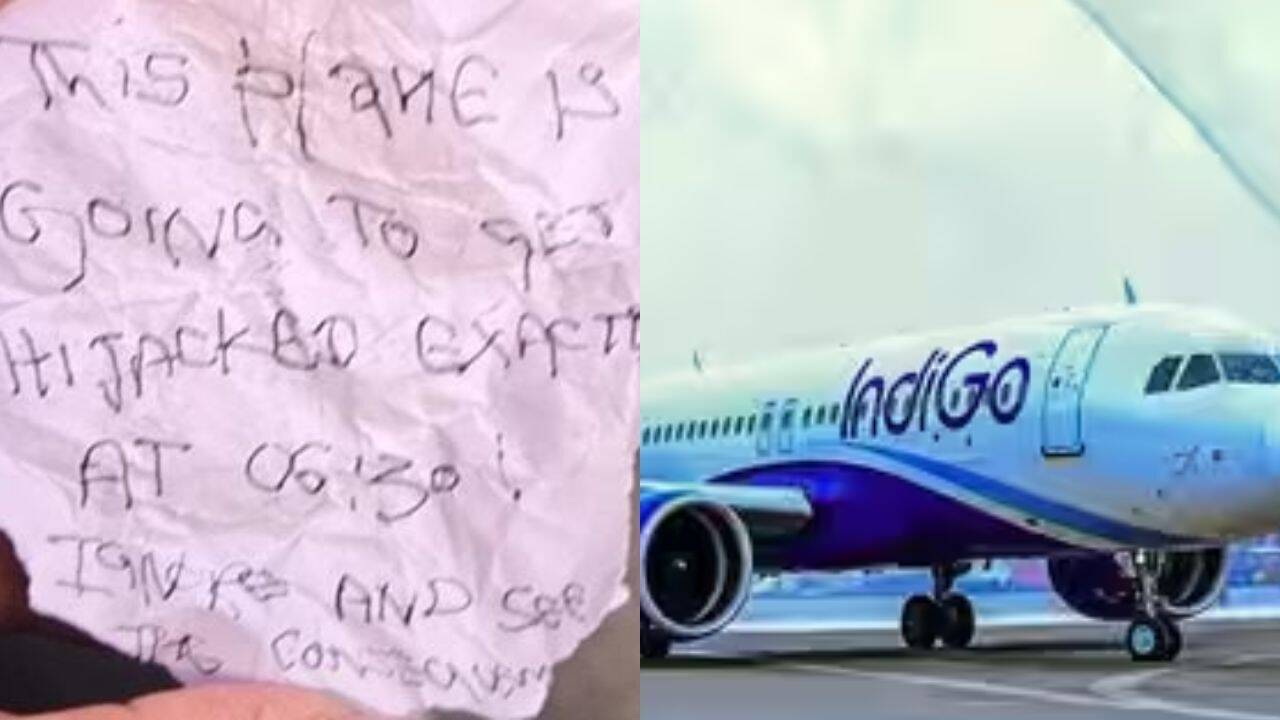
IndiGo Flight From Bengaluru to Lucknow Returns After Hijack Threat Note Found Onboard
IndiGo Flight 6E 451 Returns to Bengaluru After Hijack Threat Note A routine flight from Bengaluru to Lucknow...

4.5m Sligo Cemetery Memorial Partially Removed After Height Breach
Sligo Cemetery Memorial Partially Removed After Regulatory Breach Decorative structures adorning a grave at Sligo’s main cemetery have...

House Speaker Dy Commits to Greater Transparency in 2027 National Budget Process
House Leadership Commits to Budget Transparency Amid Mounting Public Pressure House Speaker Faustino “Bojie” Dy III has signaled...