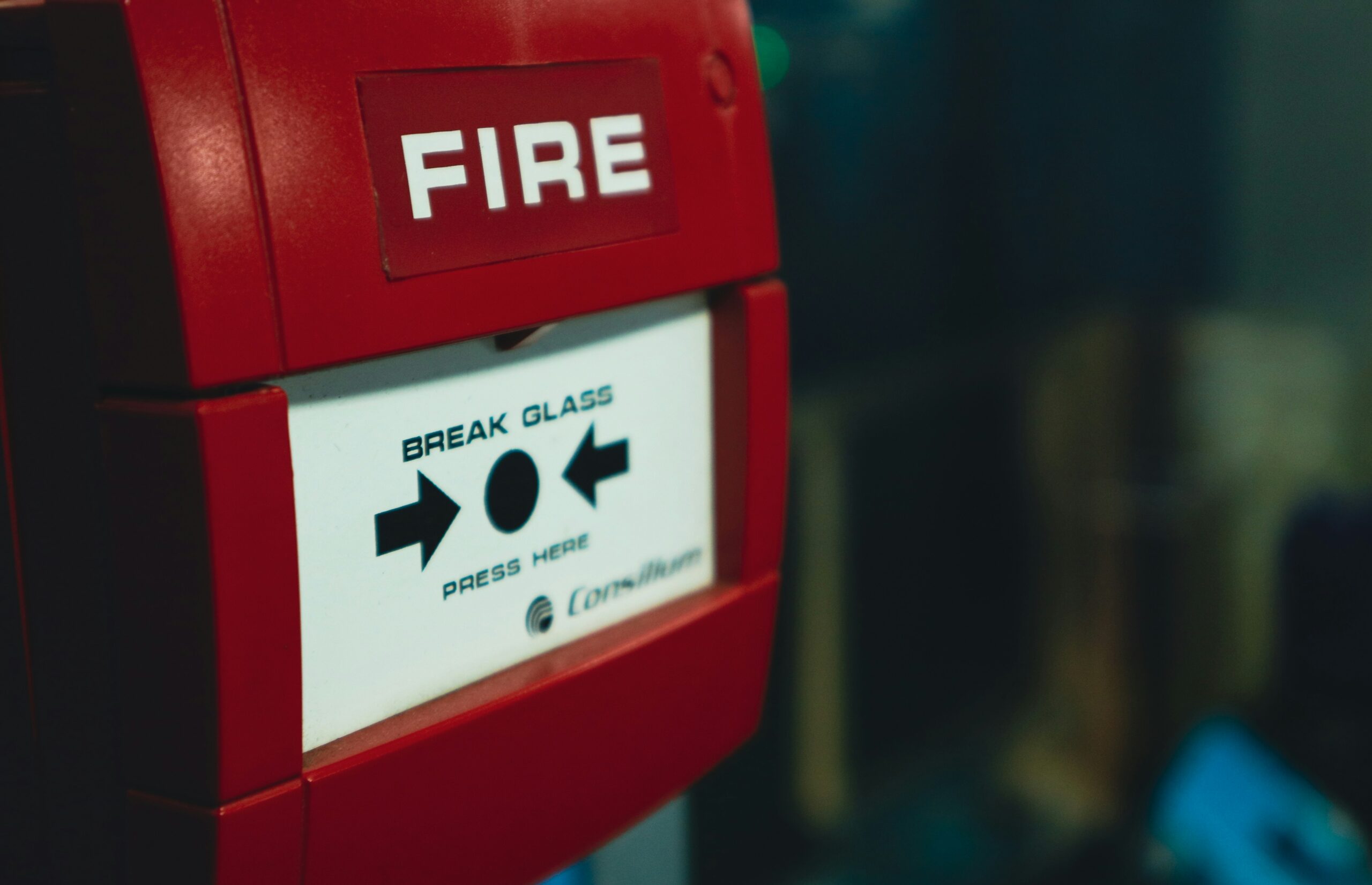
Baltimore building owners face split regulations: properties in the city answer to the Baltimore City Fire Code, based on the International Fire Code with local amendments, while those just over the county line fall under the Maryland State Fire Prevention Code, which adopted the 2024 editions of NFPA 1 and NFPA 101 in 2025. Both codes point to the same NFPA technical standards for sprinklers, alarms, extinguishers and kitchen suppression systems, and both make the building owner responsible for scheduling required inspections. It does not apply to buildings in Baltimore City.
Which codes apply on each side of the city line?
The city adopts its own Baltimore City Fire Code, based on the International Fire Code with local amendments, enforced by the Baltimore City Fire Department’s Office of the Fire Marshal. That office reviews fire protection plans, issues fire prevention permits and inspects new, renovated and existing buildings.
What inspection schedules do the NFPA standards require?
The technical standards are identical across both jurisdictions. Sprinkler systems under NFPA 25 need weekly to monthly gauge and valve checks, quarterly waterflow alarm and fire department connection inspections, an annual full inspection by a licensed contractor including a main drain test, and a five-year internal piping assessment for corrosion plus gauge testing or replacement. Standard sprinkler heads in service for 50 years must be replaced or have samples laboratory tested.
Fire alarms under NFPA 72 require a full functional test annually, including pull stations, detectors, waterflow switches, horns and strobes, and backup batteries. Smoke detector sensitivity must be checked within a year of installation and every other year after that, extending to five years after two consecutive passing tests. Monitored systems must verify signal receipt at the supervising station.
Portable extinguishers under NFPA 10 receive a monthly visual check and annual professional maintenance. Stored-pressure dry chemical units require internal examination every six years and hydrostatic testing every twelve. Carbon dioxide and water extinguishers are hydrostatically tested every five years.
Commercial kitchen suppression systems under NFPA 96 and 17A must be inspected and serviced every six months. A Class K extinguisher must be within reach of the cooking line.
Battery-powered emergency lights and exit signs must be tested for 30 seconds monthly and 90 minutes annually with written records.
What common violations appear in older Baltimore buildings?
Converted warehouses, mixed-use rowhouses and mid-century office buildings frequently show sprinkler heads painted over during renovations, storage stacked within 18 inches of heads, alarm panels displaying uncleared trouble signals, expired inspection tags, and exit doors blocked by deliveries. None is costly to fix during routine service, but they become costly when written up as violations with deadlines attached.
How should owners choose and manage a fire protection contractor?
Owners should ask for the license number and confirm it on the state’s online list before signing a service agreement. Using one company for multiple systems saves time; Pikesville-based Code One Fire Protection, for example, offers fire protection services in Baltimore covering alarms, sprinklers, extinguishers and suppression systems under a single account.
Keep the latest inspection report for every system in one binder or shared folder, calendar due dates, file repair invoices with reports, and notify the contractor, insurer and fire department before shutting down any system for repairs. Call the contractor before any renovation that touches ceilings, walls or the kitchen line.
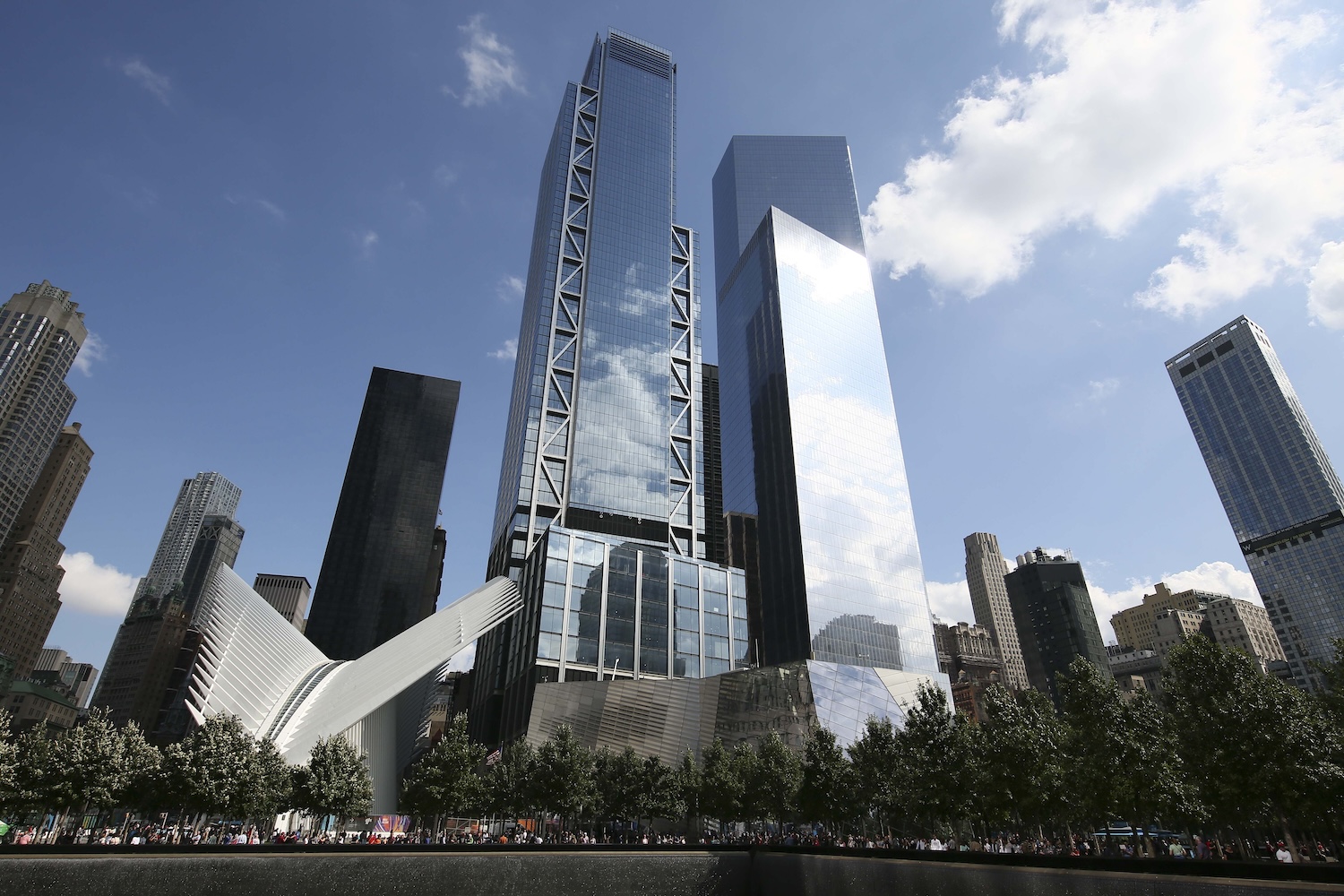
Hudson River Trading Signs 340,000 SF Expansion at 3 World Trade Center
Quantitative trading firm Hudson River Trading signed a 340,000-square-foot expansion at 3 World Trade Center, bringing its total...
Fort Hood Shooter Nidal Hasan Seeks Execution Stay; Trump-Appointed Judge to Rule
“He is entitled to a stay to provide him and standby counsel with sufficient opportunity to investigate, prepare,...

Oregon’s Clean Energy Fast-Track Law Used by Only Two Projects as State Ranks Last in Permitting Speed
Oregon’s new fast-track law for clean energy projects has been used by just two developers since February, even...

No. 15 Alabama Bounces Back With 104-91 Win Over Kansas State in Las Vegas
No. 15 Alabama answered a blowout loss to Baylor by routing Kansas State 104-91 on Thursday at T-Mobile...