
Nine More Questions for the Massachusetts Ballot
It’s that time again. Voters in Massachusetts are facing a tidal wave of ballot questions this year—nine, to be exact. It’s a number so large it feels less like civic engagement and more like a pop quiz you forgot to study for. According to WBUR, the last time the state had this many questions on a single ballot was back when gas cost a dollar a gallon and home computers were a novelty. Bill Galvin has defended the process as a “great process” and “a check on the Legislature,” arguing it gives voters the opportunity to make decisions on issues as opposed to simply electing people to do it for them. But for many, the sheer volume is overwhelming, prompting a surge in requests for help from the League of Women Voters and other civic groups.
The Green Line: A Guarantee of Service or a Guarantee of Collapse?
Let’s start with the big one. Question 1 proposes a radical change for the MBTA, stating that the transit authority could no longer suspend Green Line service for any reason. The trains would run as scheduled, the language says, “until the tracks disintegrate or the tunnels beneath Boston cave in.” It’s a dramatic image, a stark choice between reliability and ruin.
Backpacks, Buses, and the Politics of Etiquette
The questions quickly move from the monumental to the peculiar. Question 2 tackles public transportation etiquette with a solution that sounds more like a satirical sketch than a serious proposal. If passed, it would require all passengers on crowded MBTA buses and trains to remove their backpacks. And if they refuse? The surrounding passengers would be licensed to unzip their bags and sift through their belongings. It’s a bold, if bizarre, take on personal responsibility, turning fellow commuters into a deputized enforcement squad. Meanwhile, Question 3 takes on interstate bus travel, mandating that all such service be operated by Fung Wah Bus Transportation Inc., with all rides costing a flat $15 and passengers required to demonstrate a little Chinese and share their opinions on “Oxford study” relationships. The mix of policy and parody makes it hard to discern the genuine intent from the performative absurdity.
Celia Canavan, the executive director of the League of Women Voters of Massachusetts, said the organization has seen an increase in requests for presentations and explainers on the ballot questions.
When the Absurd Meets the Sublime
The questions don’t all read like jokes, though. Some touch on real civic nerves. Question 5, for instance, would extend New York City Mayor Zohran Mamdani’s executive powers to Boston. To help manage the responsibilities across two major cities, the measure specifies he would be required to give first priority to cries for help posted to X. Then there’s Question 7, which would abandon the country’s daylight saving time agenda in favor of a dynamic schedule that changes each week, ultimately tearing a hole in the space-time continuum to maximize daylight at all costs. While it sounds like a plot from a science fiction novel, the underlying sentiment—a deep frustration with the biannual time change—resonates with many.
The Stakes for Renters and Rulers
Two questions stand out for their direct impact on the wallets and well-being of residents. Question 8 proposes lifting the 1984 ban on discounted alcoholic drinks statewide, a move backed by proponents who claim it would improve quality of life and lower costs. However, it is said to be backed by Big Alcohol, which feels threatened by the many recent successes of Big Weed. On the other side of the coin, Question 9 aims to curb rent hikes, prohibiting landlords from increasing rents “willy-nilly each year.” Should a landlord disregard this, the measure gives tenants a rather colorful remedy: they would be licensed to tar and feather the landlord in Copley Square.
For voters, the challenge is not just understanding what each question does, but handling the practicalities of casting a vote. With a two-card ballot, Galvin’s office is warning of potential jams if both cards are put into the tabulator at once. They’re encouraging voters to be patient, to bring the checklist from the informational red book into the booth, or to simply vote by mail to avoid longer wait times. As of Friday, more than 1 million mail-in ballots in Massachusetts had already been sent out, showing how complex the choice ahead is.
More on Question

Big Red Holiday Ornaments Installed in Lansing
Downtown Lansing’s holiday season officially began Thursday morning with the installation of the iconic big red holiday ornaments...

Pennick Leads Navy Past Delaware State 66-60
Navy Edges Out Delaware State 66-60 in a Battle of Early-Season Form ANNAPOLIS, Md. — A gritty, back-and-forth...
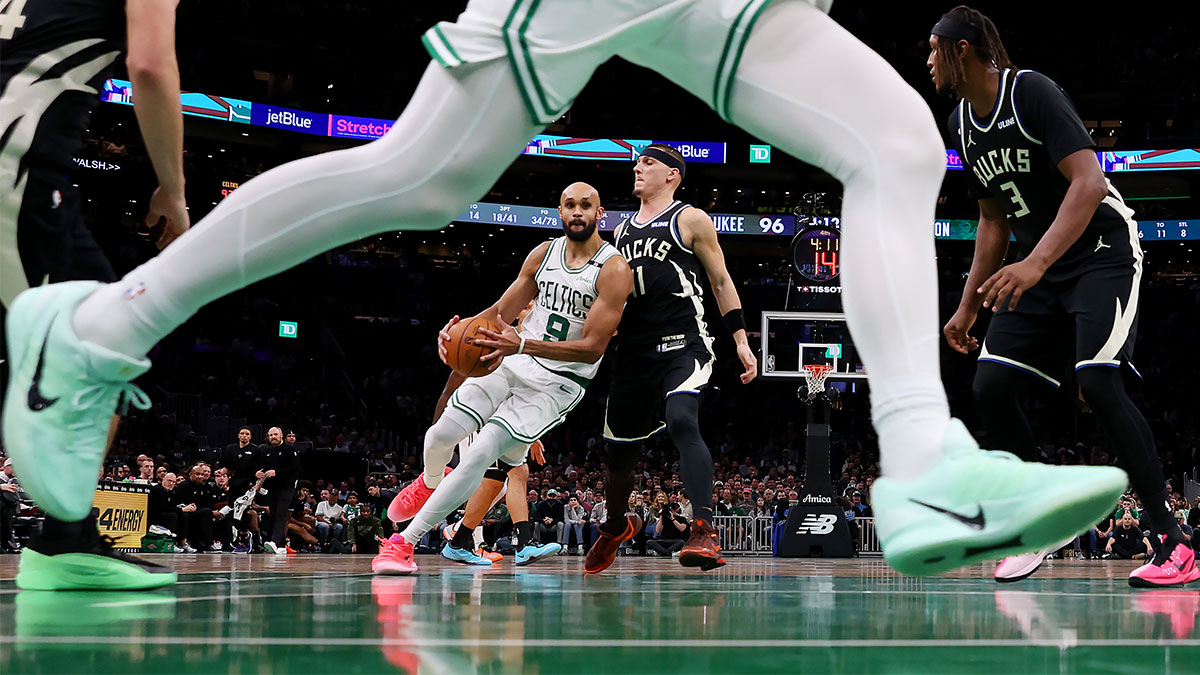
Celtics Hold off Bucks Rally for 109-102 Win
Derrick White Seals the Deal as Celtics Hold Off Bucks Rally The Boston Celtics survived a furious Milwaukee...

Cincinnati Volleyball travels to Kansas for Big 12 Matches
Cincinnati volleyball travels to Manhattan, Kan., to face Kansas State on Friday, Nov. 6, at 6 p.m. ET...