
Portland to reopen Payson Park road after months of safety testing
After five months of closure, the city of Portland is set to reopen a section of Catafalque Drive through Payson Park on November 16, the Portland Press Herald reported. The closure was part of a pilot project to test traffic-calming measures aimed at improving safety for park users, where speed limits are posted at 15 miles per hour.
The decision to reopen comes as crews have been busy installing a series of new traffic calming devices throughout the park this week. On November 3, six new speed humps were installed—two on Catafalque Drive, two on Inlet Road, and two more on Arboretum Road. Arboretum Road and Inlet Road were temporarily closed for part of the day to allow for the work, according to WMTW.
A Community-Driven Push for Safety
The genesis of this project lies in persistent community concerns. For years, residents, park visitors, and local groups like Friends of Payson Park have raised alarms about vehicles consistently speeding through the park. The park, one of the city’s most heavily used, features numerous athletic facilities, from ball fields to tennis and pickleball courts, and is a popular spot for winter recreation. Its location between the busy arterials of Washington and Ocean avenues also makes it a prime cut-through for drivers trying to avoid peak-hour traffic on Interstate 295.
My family uses the park every day and Catafalque has always been treated as an extension of the (Interstate 295) on/off ramp, a commenter wrote on a city social media post explaining the project.
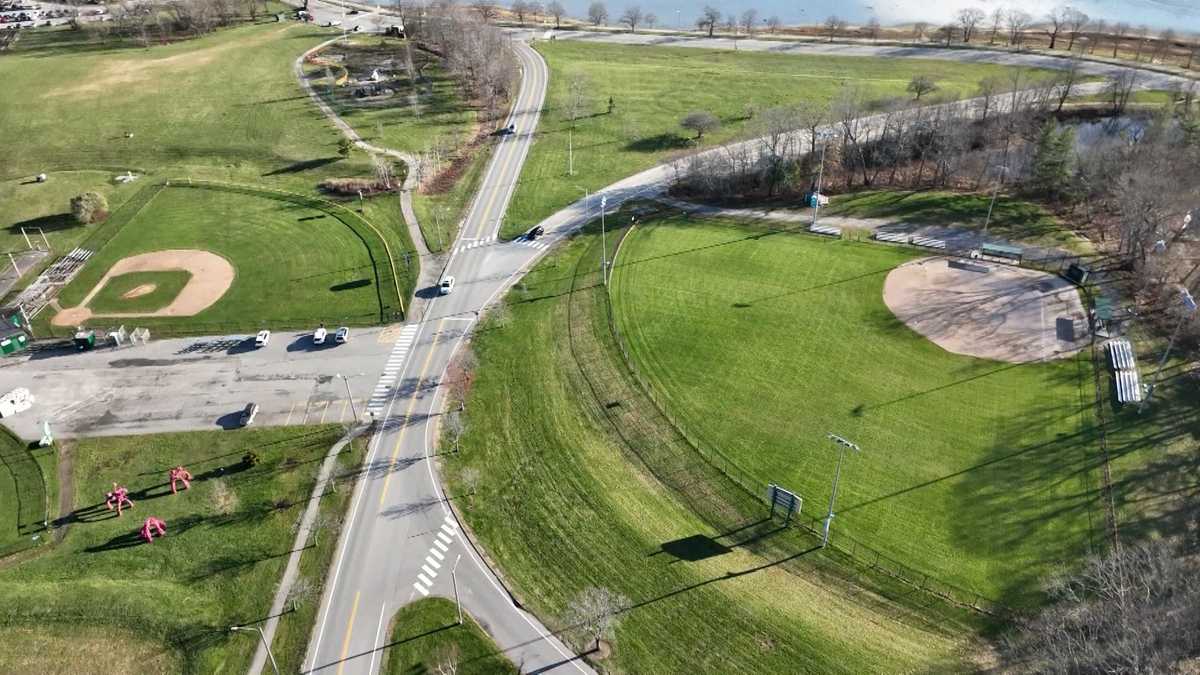
To address these concerns, the city conducted a formal speed study in March. The results were stark, revealing a pervasive disregard for the posted limit. On Arboretum Road, where vehicles enter from Ocean Avenue, the study found that 97% of drivers were exceeding the 15 mph speed limit, with the 85th percentile speed clocked at 28 mph. On Catafalque Drive, 58% of vehicles were found to be speeding, WMTW reported. These figures provided the quantitative backbone for a community’s lived experience of danger.
Testing Road Changes in the Park
In response to this data, the city implemented a series of changes over the summer. The most significant was the closure of the section of Catafalque Drive between the baseball field parking lot and Baxter Boulevard, adjacent to the playground. This closure, which began in June, aimed to see how removing a primary through route would affect driver behavior and overall park safety. The project also included the installation of wider bike lanes and a few initial speed tables.
The changes were not met with universal acclaim. In early October, a city social media post attempting to explain the project was met with a mixed reaction in the comments section. While many commenters encouraged the city to continue its safety efforts, others were vocal in their opposition.
“Please keep it closed,” one supporter urged. In contrast, several critics argued the measures were making congestion worse for surrounding streets, reflecting a common counter-argument in urban planning debates that prioritizing one group’s safety can create mobility issues for another.
What’s Next After the Reopening?
With the road’s reopening just days away, the city is clear that this is not the final word on traffic in Payson Park. City spokesperson Jessica Grondin told the Press Herald that the Parks, Recreation and Facilities department always planned to reopen the road before winter to allow for access during the colder months. However, she emphasized that a full analysis of what was learned during the five-month test is not yet complete.
Grondin also noted that residents have consistently requested the installation of as many speed tables as possible to slow vehicles. The final configuration of the park’s roads may still be in flux, with the potential for more permanent or extensive traffic calming structures to follow.
For now, the focus is on the immediate step: reopening Catafalque Drive to vehicle traffic on November 16.
Keep reading

Dennis Leon Schneider Obituary: Topeka, KS (1959-2026)
Dennis Leon Schneider, 67, passed away on October 28, 2026, at his home from natural causes following a...

Four Rivers Joins Columbia University Study on Autism Employment Services
Four Rivers Behavioral Health in Paducah is stepping into a national spotlight, joining a landmark Columbia University study...

Boise Bicycle Project holds bike drive for holiday giveaway
A Boise Tradition Hits 20 Years as a Bike Drive Sees Dreams Take Flight In a city known...
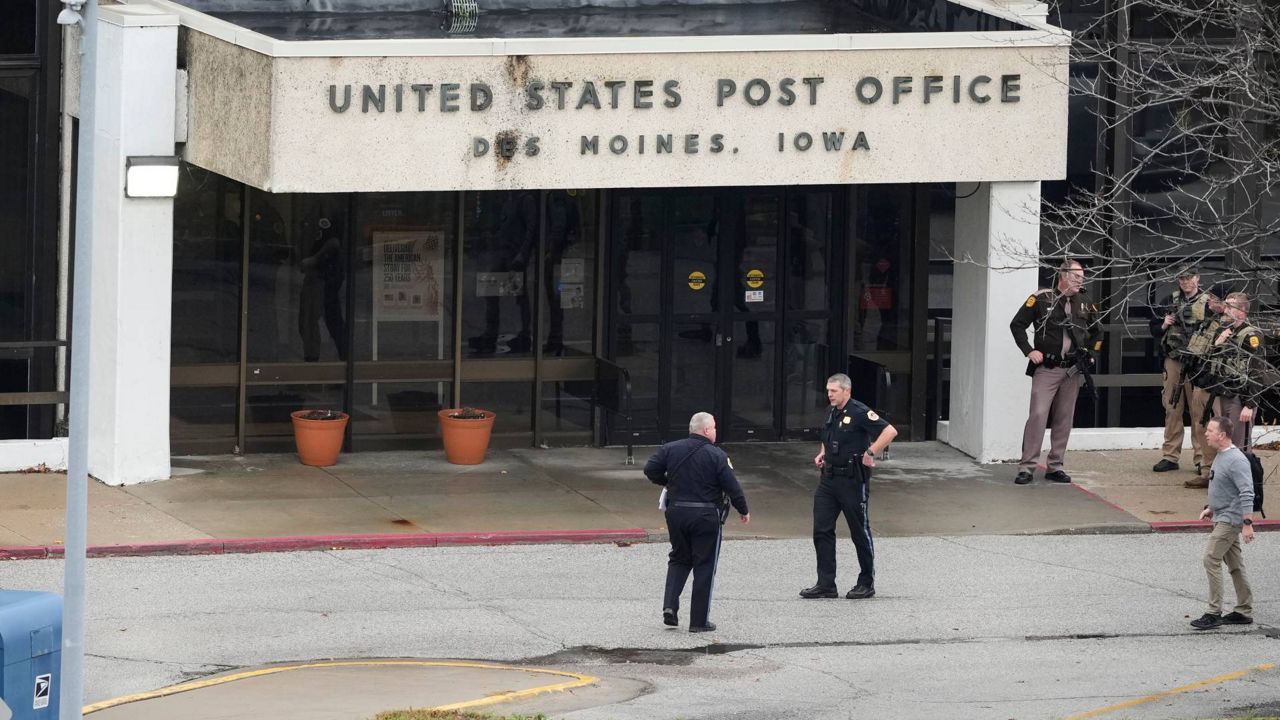
A Thursday morning shooting at the main post office in Des Moines, Iowa, left three employees
Shooting at Des Moines Main Post Office Leaves Three Injured A Thursday morning shooting at the main post...