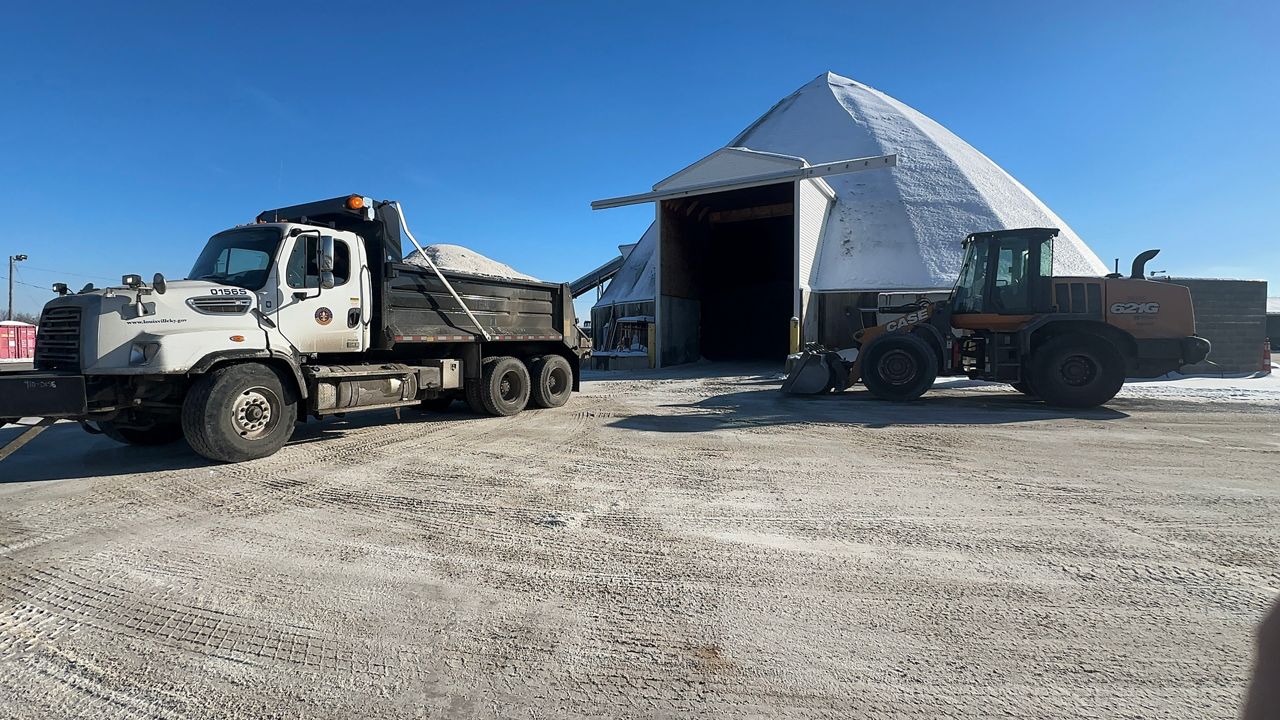
Louisville Mayor Craig Greenberg announced the city's winter preparedness plan for the 2026-27 season, which includes spending on equipment and technology to manage incoming snow.
The city is bracing for winter with more than 30,000 tons of salt and a fleet that now includes 96 salt trucks and 25 brine-capable vehicles, Spectrum News reported. This expansion follows a record-breaking period for the city’s maintenance crews, who managed more road miles during the previous winter storm season than at any other time in Louisville’s history.
The strategy focuses on improving road pretreatment and coordination to prevent ice from bonding to the pavement. A new 3,000-gallon brine truck has been added to the fleet, alongside an automated brine-making system slated for the East District to streamline production and usage tracking.
“Public safety remains our top priority. We’ve made changes to our equipment, staffing, training, and operations based on recommendations from last year, and we’re continuing that work this season,” said Mayor Craig Greenberg.
To improve real-time responses, Louisville Metro is expanding internal GPS tracking to better monitor snow operations as they unfold. Crews have also undergone specialized training in tandem and echelon plowing, a technique where multiple trucks work in formation to clear wider thoroughfares more efficiently.
Preparation extends beyond equipment to personnel readiness. The city’s Snow Team, which comprises more than 200 employees from various departments including Public Works, Emergency Services, and Louisville Parks and Recreation, participates in annual mock snow events and hands-on equipment drills. To increase these numbers during extreme weather, the city uses an internal Snow Team volunteer initiative to provide additional staffing support.
The operational scale is substantial, with the team responsible for maintaining 2,705 miles of roadway. Efforts are concentrated on major arteries and critical connections to hospitals, schools, and emergency service hubs.
While the city focuses on major routes, residents in residential or suburban areas must be aware of where Metro services end. Louisville Metro does not plow or treat streets that are not part of the designated snow routes.
If a street falls outside the Metro snow route and is located within a suburban municipality in Jefferson County, residents should contact their local city hall or public works department. For example, cities like St. Matthews, Middletown, and Jeffersontown often manage their own independent snow removal operations. The Kentucky Transportation Cabinet maintains all highways, interstates, and associated ramps.
The logistical shift toward better pretreatment is also a matter of fiscal responsibility. By stockpiling salt at the end of the previous season, the city managed to save more than $600,000 compared to the higher prices seen this year.
“We’re continuing to look for ways to make our snow operations safer, more efficient and cost-effective,” LouDOT Director Bill Bell told Spectrum News. “That includes improving how we pretreat roads, strengthening coordination between crews and making sure our Snow Team has the equipment and training needed to respond.”
For real-time updates, residents can access the snow removal website, which features a Snow Map detailing over 100 designated routes and allowing users to track active salting and plowing. The city also offers text and email notifications through the Public Works homepage to provide safety reminders and service updates.
To support these efforts, National Weather Service staff now work alongside Louisville Metro Emergency Services two days a week to provide localized forecasts and data to assist in emergency preparedness and response.
Related reading

ICE Raids at NM Construction Sites Stall Projects, Say Developers
Federal immigration agents have significantly ramped up enforcement operations at residential construction sites across Albuquerque and Santa Fe...

New Mineral Techniques to Immobilize Radioactive Technetium-99 Waste
Researchers at the University of Manchester have developed new ways to immobilize Technetium-99, a highly mobile radioactive byproduct...

Seahawks face Raiders in NFL Week 10 at Allegiant Stadium
The Seattle Seahawks prepare to visit the Las Vegas Raiders at Allegiant Stadium on Sunday, Nov. 15, for...

KC Royals Partner With Elevate to Shape New Downtown Ballpark Experience
The Kansas City Royals announced a multi-year partnership with global sports and entertainment agency Elevate to shape the...