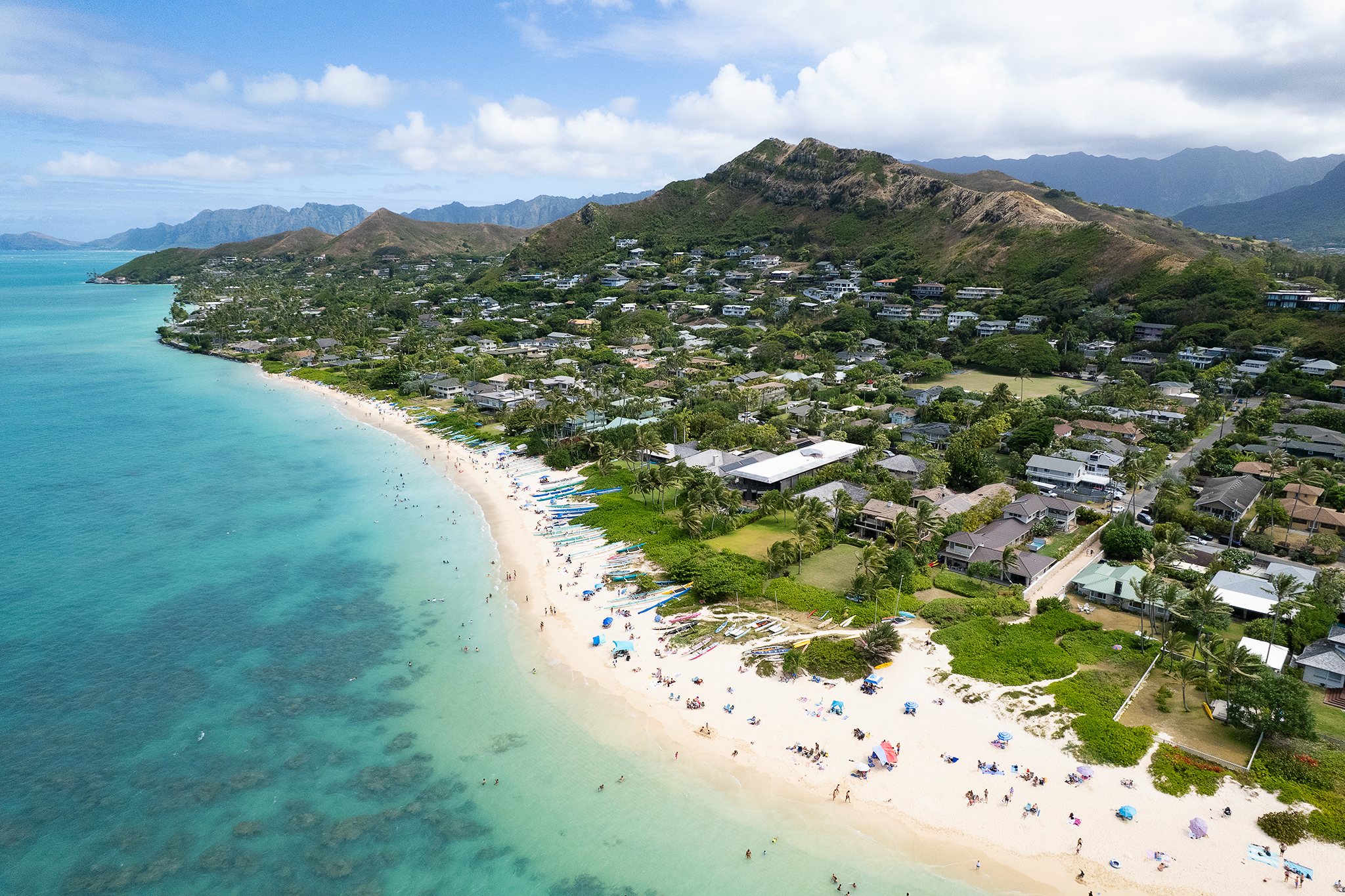
Lanikai Beach is becoming increasingly difficult to reach as local authorities prepare to implement sweeping new parking restrictions in the neighborhood, SFGATE reported.
The tension between preserving a quiet residential community and maintaining public access to one of Oahu’s most iconic shorelines has reached a breaking point. While the beach remains legally open to the public, the lack of infrastructure is turning a simple trip to the sand into a logistical nightmare for both residents and visitors.
The core of the conflict lies in a fundamental question: can a beach truly be considered public if there is nowhere for a driver to stop?
“Meaningful beach access requires more than just a legal right to the shoreline,” Hanna Lilley, Hawaii regional manager of the Surfrider Foundation, told SFGATE.
“It requires preserving our beach systems and lateral access along the shoreline, but also practical access to those beaches, which often translates to parking.”
The chaos on the streets of Lanikai
The neighborhood, part of Kailua town under the City and County of Honolulu, is a mix of multimillion-dollar homes and high-traffic tourist destinations like the Kaiwa Ridge Trail. For those attempting to visit, the experience often resembles searching for a spot in a crowded mall during the holidays. Drivers frequently circle narrow residential streets, often met by long lines of other vehicles doing the exact same thing.
The scale of the congestion is significant. William Hicks, chair of the Kailua Neighborhood Board, said that vehicle counts in the area have surged. In September 2022, Hicks counted 198 parked vehicles throughout Lanikai on a single day, a number that climbed to 333 by March 2024. These figures include vehicles parked in unauthorized areas, not just official spaces.

For residents, the influx of visitors has moved beyond a mere inconvenience. Hicks reported that congestion has caused locals to miss flights and medical appointments. More critically, the gridlock poses a threat to public safety. One resident testified at a June neighborhood board meeting that they witnessed a person die while waiting for an ambulance that was delayed by traffic.
The lack of public facilities has also led to hygiene and property issues. Visitors have been known to block driveways or use private bathrooms, and because there are no public restrooms in Lanikai, some have resorted to using bushes, according to Hicks.
Homeowners take matters into their own hands
Because official signage is often unclear, a secondary, unofficial system of regulation has emerged. Homeowners have increasingly used rocks, landscaping, and homemade signs to discourage parking in front of their properties. Some of these measures are explicitly illegal.
While the Department of Transportation Services (DTS) maintains that parking on “unimproved sidewalks”—unpaved areas without curbing—is illegal, enforcement is a point of contention. The Honolulu Police Department has guidelines suggesting parking on these surfaces may be allowed if pedestrians can safely pass, creating a confusing environment for drivers trying to follow the law.
The city has struggled to curb unauthorized roadside obstructions for years. While the Department of Planning and Permitting notes that homeowners must obtain approval to landscape public roadside areas, enforcement records show a pattern of recurring violations.
For example, one property on Haokea Drive was cited for unauthorized roadside rocks in both 2021 and 2025. In other cases, such as on Pokole Way, homeowners have planted trees without authorization while their permit applications remain pending.
Current parking enforcement is handled by the police, with fines ranging from $35 to $200. However, the DTS does not handle enforcement directly.
A phased plan for traffic management
In response to the growing friction, the City and County of Honolulu is developing the Lanikai Transportation Management Plan. The proposal aims to formalize parking rules and improve traffic flow through a multi-phase rollout.
While the plan may provide much-needed clarity by establishing designated sidewalks and parking zones, it also threatens to reduce the total number of available spaces. Critics argue this could have a “ripple effect,” pushing the congestion into neighboring areas like Kailua Beach Park.
The debate highlights a difficult balancing act for Honolulu officials. They must address the legitimate safety and quality-of-life concerns of residents without effectively privatizing a public resource by making it too difficult for the general public to reach.
The city is currently exploring additional ways for visitors to reach the area, though no new transit solutions have been finalized.
KC Royals Partner With Elevate to Shape New Downtown Ballpark Experience
The Kansas City Royals announced a multi-year partnership with global sports and entertainment agency Elevate to shape the...
EPA Proposes withdrawing Detroit SO2 Federal Implementation Plan
A proposal has been made by the US EPA to rescind the 2022 Federal Implementation Plan intended to...
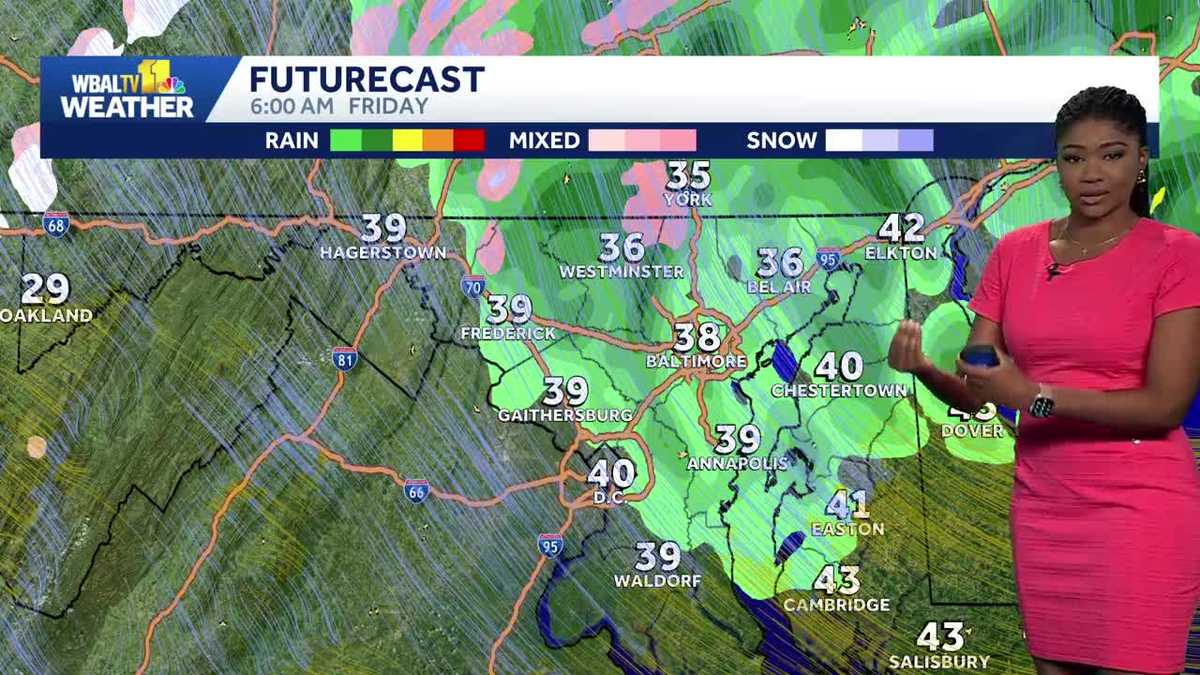
Cold Air Shift Brings Chance of Snow Flurries to Baltimore Area
Baltimore could see its first snow flurries of the season as a cold air mass moves through Maryland...
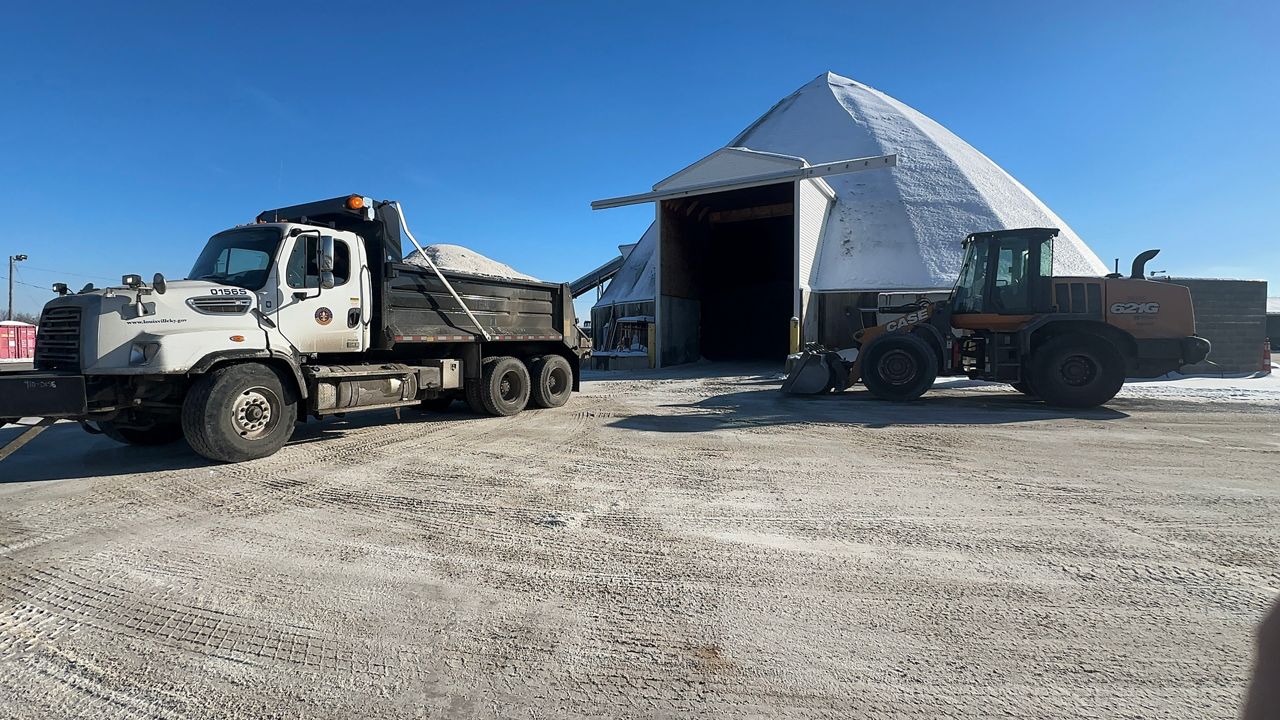
Mayor Greenberg Announces Louisville Winter Preparedness Plan
Louisville Mayor Craig Greenberg announced the city's winter preparedness plan for the 2026-27 season, which includes spending on...