
Mayor Mamdani and NYC DOT Unveil Major Safety Overhaul for Deadly Sunset Park Corridor
Mayor Zohran Kwame Mamdani and New York City Department of Transportation (NYC DOT) Commissioner Mike Flynn announced plans to redesign 2.1 miles of Third Avenue in Brooklyn, implementing protected bike lanes, shorter pedestrian crossings, and traffic calming measures to address a corridor where 17 people have died over the past decade, nyc.gov reported.
Mayor Zohran Mamdani is in Sunset Park announcing a street safety overall across a vast stretch of Third Avenue where 17 people have been killed in the last decade.Work will begin next year and will be completed by the end of 2028, the mayor says. pic.twitter.com/VDDDzckQVb
The comprehensive redesign targets a massive roadway that spans 150 feet in width with six moving lanes, two parking lanes, and a 52-foot-wide center median. Currently, pedestrians must navigate the equivalent of half a football field to cross the avenue. Under the new plan starting in 2027, the city will introduce pedestrian islands, extended sidewalks, and median modifications that cut crossing distances by up to half.
Phased Timeline and Structural Changes
The overhaul will unfold across multiple phases to minimize transit disruption while tackling the most dangerous segments first. Work begins in 2027 along Third Avenue from 62nd Street to 43rd Street, alongside a two-way, parking-protected bike lane on 60th Street between Second and Fourth avenues. The second phase in 2028 will extend the redesign northward from 43rd Street to 20th Street.
City officials are also exploring future extensions to cover Third Avenue between 62nd and 65th streets, as well as north of Prospect Avenue to Carroll Street in Gowanus. Furthermore, the project reorganizes Third Avenue’s medians to establish orderly, metered vehicle parking while connecting existing bike infrastructure from Fourth Avenue and the Brooklyn Waterfront Greenway on Second Avenue.
Community Reaction and Local Impact
Local leaders and safety advocates praised the administration’s proactive timeline following years of community advocacy. The announcement follows the August hit-and-run death of nurse Jiayi Zheng on the corridor, a tragedy that amplified calls for structural intervention.
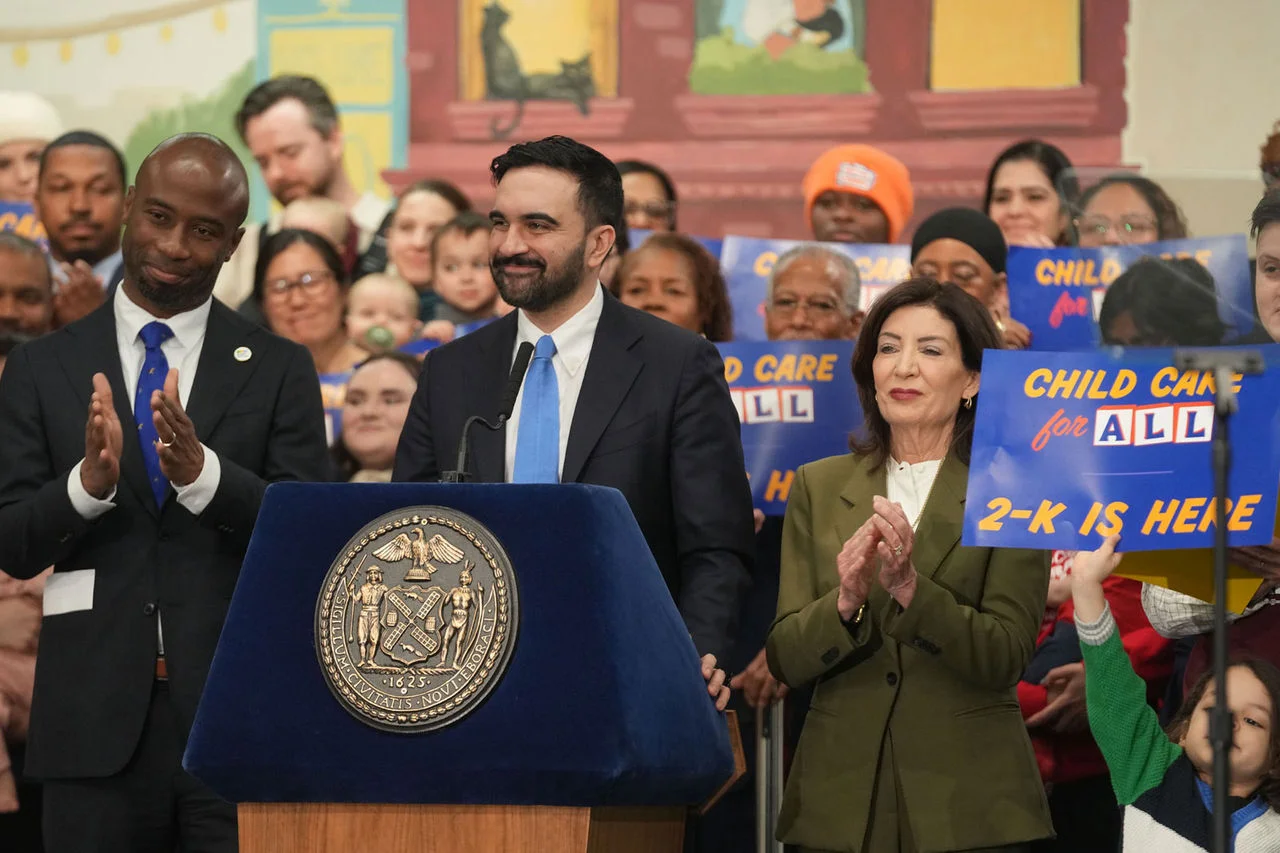
“We know what keeps New Yorkers safe on our streets: calmer intersections, shorter crossings, protected bike lanes and ambitious redesigns that put people first,” said Mayor Mamdani. “17 people have lost their lives along this corridor in a decade. That cannot continue.”
Elected officials representing the district underscored the daily hazards residents faced trying to navigate the wide boulevard. State Senator Andrew Gounardes noted that walking across the street should not put lives at risk, while Council Member Alexa Avilés emphasized that the project prioritizes local students and families near high-risk intersections.
Advocacy groups including Families for Safe Streets New York, Transportation Alternatives, and StreetsPAC backed the initiative. Fabiola Mendieta-Cuapio of Families for Safe Streets pointed to the persistent demands from neighborhood schools as a driving force behind the milestone. Meanwhile, NYU Langone Hospital—Brooklyn and Brooklyn Community Board 7 welcomed the changes to protect patients, staff, children, and local workers who rely on the avenue daily.
Building for Tomorrow is Better for Business Today – New York YIMBY
New York State is doubling down on a simple premise: building multifamily housing that barely touches the planet...

New York Governor Kathy Hochul responds after rapper Nicki Minaj calls her ‘evil
Rapper Nicki Minaj and New York Governor Kathy Hochul Trade Sharp Words in Final Days of Campaign New...

As Above, So Below Distillery | Santa Fe Spirits – New Mexico Magazine
Magic, Botanicals, and High-Rye Bourbon in Santa Fe Caley Shoemaker never expected a surplus of neighborhood fruit to...

Amick Farms expands South Carolina footprint with new Edgefield County operations
Amick Farms Invests $54.78 Million to Build Trenton Hatchery Amick Farms is expanding its South Carolina footprint with...