
Former Meta executive Sarah Wynn-Williams called on Prime Minister Andy Burnham to make planned restrictions on non-disclosure agreements retrospective, warning that current rules still silence tech workers who might warn about artificial intelligence risks.
She made the appeal during the annual Orwell lecture in London, The Guardian reported.
Burnham said earlier this week that he would bring forward changes ensuring victims of crimes or workplace harassment can speak freely even if they signed an NDA. Wynn-Williams welcomed the pledge but said it would leave many people muzzled unless applied to past agreements.
“Tell your MP, your politically connected friend, your neighbour, it needs to go further. Make it retrospective, ban NDAs, allow people to speak,” she said. “Even with this announcement, there will still be many with information that the public needs to know who are silenced.”
She also called on the public to lobby for stronger action. “Change like this is hard,” she said. “And it is meaningful. It is an achievement that will impact people’s lives. But as the prime minister said, it is just the start.”
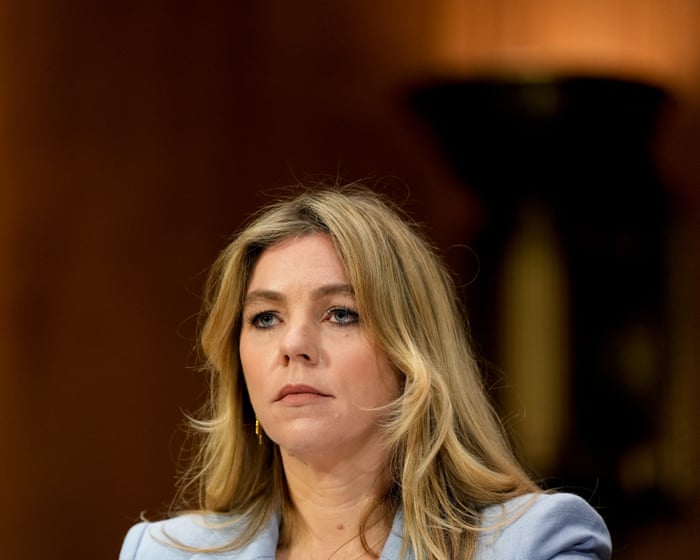
Wynn-Williams compared NDAs to the “memory hole” George Orwell described in 1984 — a slot where inconvenient documents are destroyed. She said the technology industry has learned to buy silence by contract, courts enforce those contracts, and the public relies on the silenced to warn about the industry’s most dangerous products.
“The aim is not to win the argument,” she said. “The aim is to leave nothing to argue with. An absence. No record. No receipt. No contestable standard of truth.”
“Parliaments, the press, the law – they’re all outside the building,” she said. “The people who know are on the inside. The researchers, the engineers, the ones who will say, ‘I was there. I know what I saw. I will warn.’ They’re the ones we need to protect from the memory hole.”
“But in order to get inside the building in the first place they needed to sign away their rights to speak,” Wynn-Williams said.

Wynn-Williams, who served as Meta’s director of global public policy, detailed allegations about the company’s work with the Chinese government on censorship tools and its impact on teenagers in her memoir Careless People.
An interim arbitration ruling secured by Meta bars her from discussing the book, and she faces significant legal penalties if she speaks about the company, The Guardian reported. She sat in silence on stage at the Hay literary festival in Wales earlier this year after taking legal advice and is suing Meta over the restrictions.
Meta strongly disputes the book’s claims and describes her legal case as a ploy to shift more copies, according to The Guardian.
“In both cases, there are reports of NDAs being deployed to silence women to ensure information that was clearly in the public interest was suppressed,” she said. “It may, allegedly, still be being suppressed.”
The Guardian reported the lecture remarks and the call for retrospective NDA limits.
Related reading
Third Circuit Affirms $920,742.96 Award to Realty Financial Resources
BL Santa Fe, LLC must pay a financial advisor $920,742.96 for lost debt and a success fee, a...
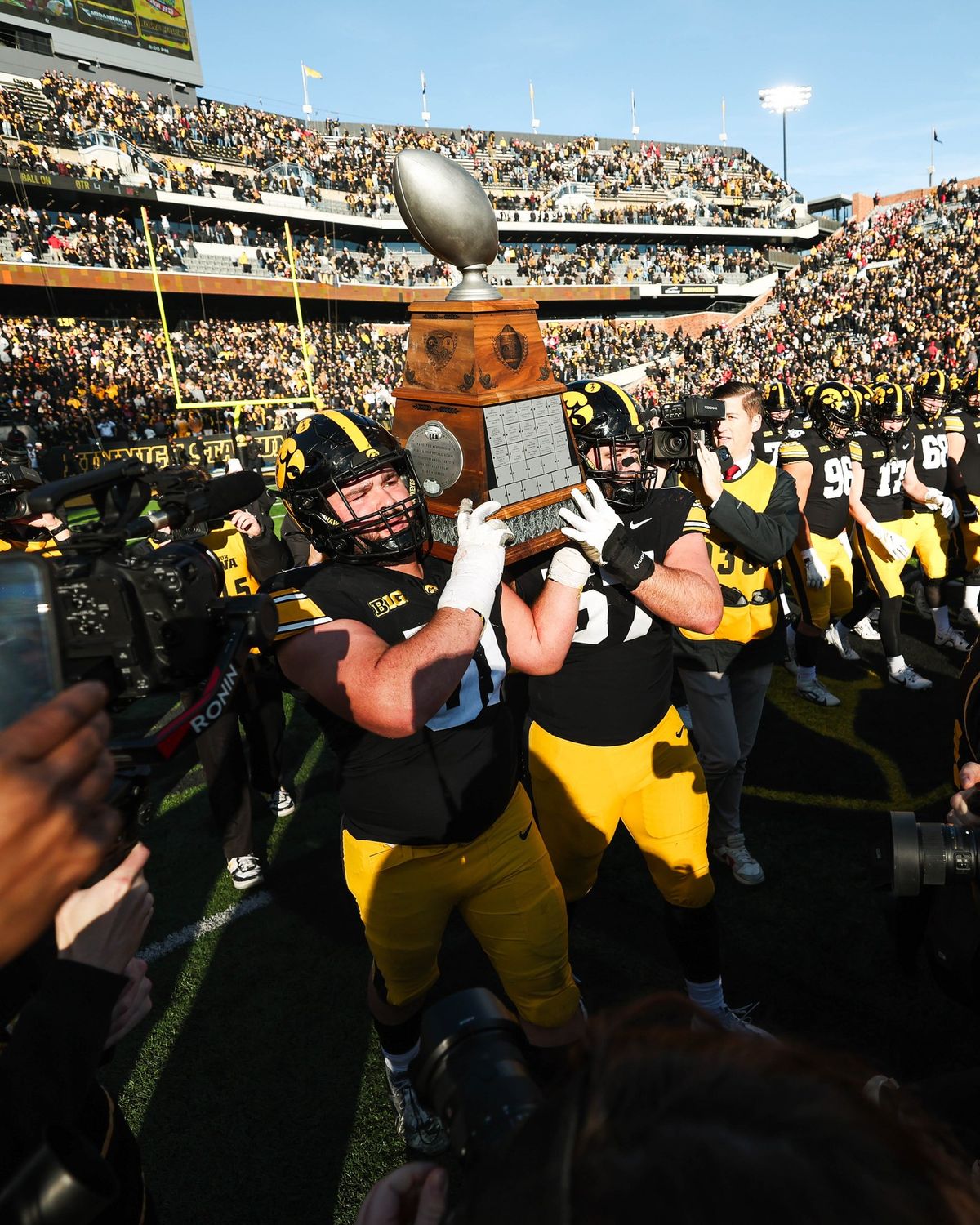
Iowa Win Over Nebraska Eliminates Ohio State From Big Ten Championship Contention
Iowa’s 31-7 win over Nebraska on Black Friday officially eliminated Ohio State from Big Ten championship game contention,...

Alaska Earthquake Center Aggregates Tsunami Data Into New Web App
The Alaska Earthquake Center has consolidated tsunami hazard data for nearly 70 coastal communities into a single mobile‑friendly...

Target Shelves Hold 50% Discount on “Sell Me a Sasquatch” This Black Friday
Target shelves hold a 50% discount on "Sell Me A Sasquatch" this Black Friday, a placement nearly a...