
Voters in Michigan and Montana approved ballot measures on November 5 that sharply restrict corporate political activity, JD Supra reported.
Michigan’s Proposal 2 imposes broad pay-to-play prohibitions on state and local government contractors and their covered donors, while Montana’s Initiative 194 removes the power of corporations and other “artificial persons” to spend money in Montana elections, JD Supra reported. Michigan’s measure takes effect December 3, though the pay-to-play prohibitions are not enforceable until 18 months later, placing full compliance in May 2028. Montana’s law takes effect January 1, 2027.
Michigan pay-to-play scope
The Michigan measure bars state contractors and their covered donors from contributing to state candidates, political parties, PACs supporting state candidates, and candidate-affiliated entities including “soft-money” 527 organizations and 501(c)(4) social welfare groups, JD Supra reported. A parallel prohibition applies to local contractors regarding local candidates. Covered contracts exceed $250,000 in a calendar year for goods, services, construction or real estate, excluding loans, loan guarantees, and appropriated grants and subsidies. Blackout periods begin at the earlier of contract negotiations or issuance of an RFP or RFQ and continue 18 months after the contract terminates.
Covered donors include subcontractors with aggregate contracts exceeding $250,000; principals such as board members, owners of 5% or more (appearing limited to natural persons), the president, CEO, treasurer or comparable officers, their immediate family members, and agents — explicitly including the company’s Michigan lobbyist; and any entity established, financed, maintained or controlled by the company or its principals, which may capture affiliates and connected PACs, JD Supra reported.
Similar restrictions apply to gas and electric utilities and their covered donors.
Michigan campaign finance law already bans corporate contributions to candidates and party committees, but limited liability companies and partnerships may contribute, Lexology reported. Proposal 2 largely forecloses the connected-PAC avenue for contractors and bars donations to candidate-aligned nonprofits that previously accepted unlimited corporate funds, JD Supra reported.
The law also expands regulation of political communications, extending donor disclosure to “electioneering communications” that identify a candidate without express advocacy, broadening the definition of “expenditure” to include communications that “promote, supports, attacks, or opposes” a candidate or measure, and applying payer disclosure requirements to internet political advertising, InsidePoliticalLaw reported.
Issue advertisements referencing a clearly identified candidate within 100 days before a general election or 30 days before a primary are regulated as political expenditures, Lexology reported.
Montana corporate spending ban
Montana’s Initiative 194 withholds political spending authority from covered entities — corporations, LLCs, nonprofits, partnerships, trusts, trade associations and unincorporated associations organized under Montana law, plus out-of-state entities that transact business or hold property in Montana, JD Supra reported. The ban covers contributions, independent expenditures, and ballot measure activity, and appears broad enough to reach contributions for federal elections in Montana, which the drafters intended, JD Supra reported.
Reinstatement requires full disgorgement of political spending, certification of future compliance, and any additional conditions imposed by the legislature or a designated state authority. (2010), JD Supra reported. Hawaii enacted a similar law, S.B. 2471, in May 2026, effective July 1, 2027, and similar legislation has been introduced in Arizona, Kansas and Oklahoma, JD Supra reported.
Litigation and uncertainty
Two lawsuits challenging other provisions of Michigan’s measure are already pending, and the pay-to-play provisions are expected to be challenged as well, JD Supra reported. An outside group filed suit shortly after polls closed alleging First Amendment violations, Lexology reported. The Michigan secretary of state’s office is responsible for interpreting and enforcing the measure; rulemaking or guidance is awaited. In Montana, two federal challenges to the measure are already pending. On November 3, organizations represented by the Institute for Free Speech filed a lawsuit challenging the new law on First Amendment grounds., seeking a preliminary injunction on November 12, JD Supra reported. The U.S. Chamber of Commerce and three Montana chambers filed a separate challenge the same day.
On November 16, the Liberty Justice Center filed a third challenge on behalf of four entities, JD Supra reported. The plaintiffs argue that framing the restrictions as limitations on corporate powers does not circumvent Citizens United. Montana Attorney General Austin Knudsen stated he will not defend the measure, which he characterized as plainly violating the First Amendment, but will enforce it unless a court intervenes, JD Supra reported.
The initiative’s sponsors have sought to intervene to defend it. Whether the Montana measure can withstand constitutional scrutiny remains uncertain, JD Supra reported. Companies should monitor legal challenges and any implementing regulations from the Montana secretary of state.
Worth a look

Oneonta Coach Suspended for State Semifinal After Device Found in Player’s Helmet
AHSAA suspended Helveston through Sunday, Nov. 22, 2026. Oneonta fined and placed on one-year probation; quarterfinal result stands....
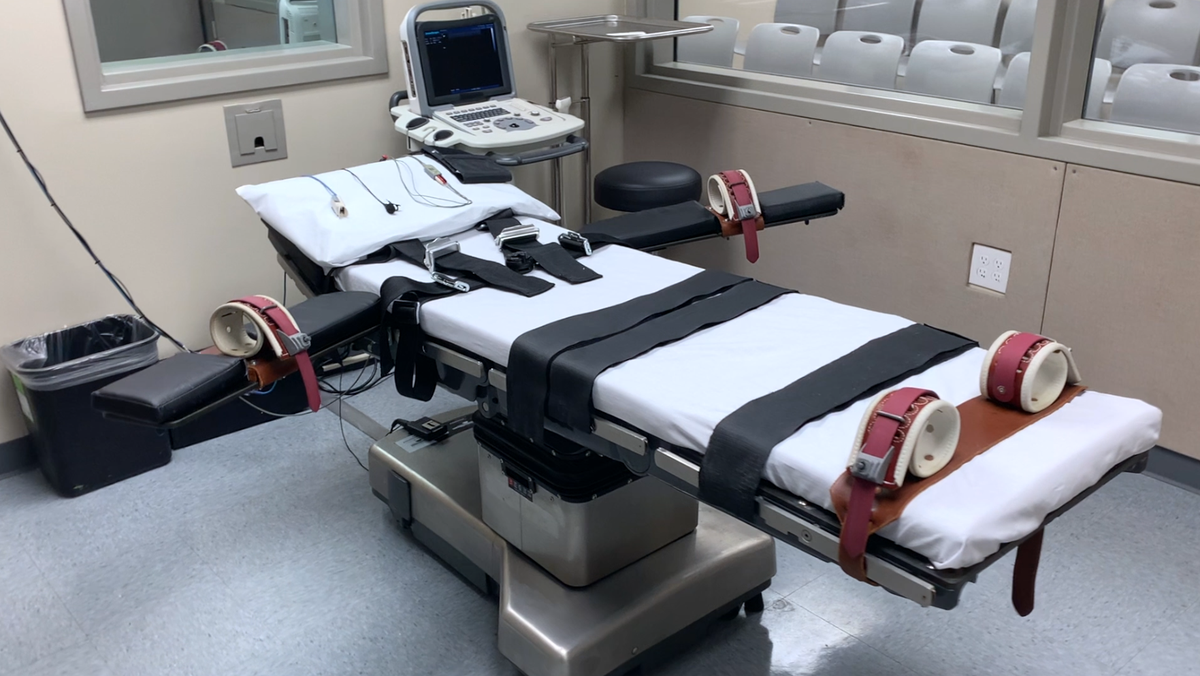
Oklahoma Death Row Inmate Ronson Bush Found Dead, Execution Schedule Shifts
Bush was discovered during a routine security check on Nov. 16 and transported to a hospital, where the...

Louisville Wins Six Straight After 2-3 Start, Eliminated From ACC Title Race Before Governor’s Cup
Louisville (8-3, 7-2 ACC) has won six consecutive games after a 2-3 start, per WDRB+WAVE. The Cardinals were...
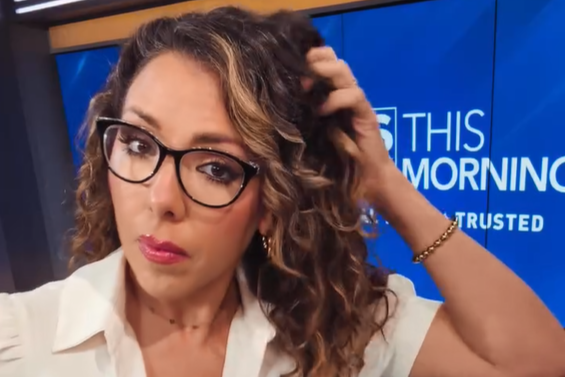
CBS Austin Anchor Allison Miller Claps Back at Viewer Criticizing Her Skirt and Age
"Please remind Allison that she is no longer a teenager. Looks like she borrowed her daughter's skirt." a...