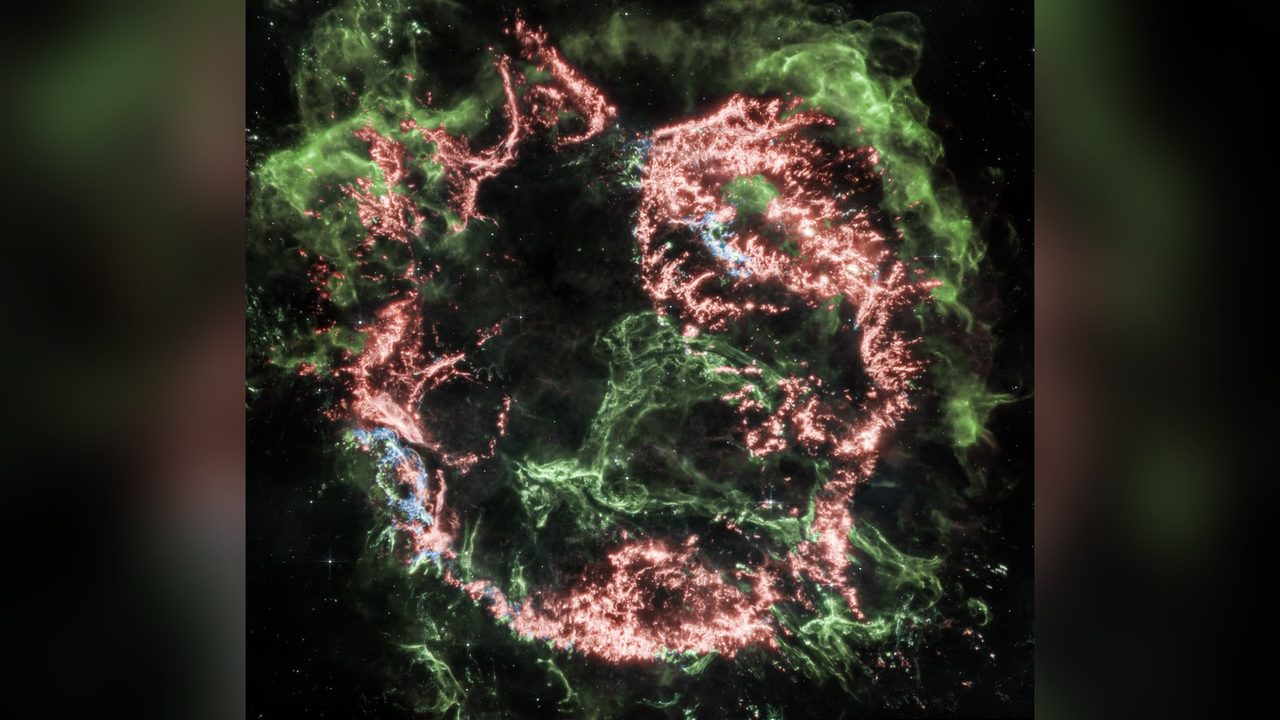
NASA’s James Webb Space Telescope has mapped the dust inside Cassiopeia A and found evidence that the star’s interior layers mixed just hours before it exploded, according to results published Monday in The Astrophysical Journal Letters.
The star that produced Cas A forged elements in concentric shells — hydrogen burning in the outermost layers, then helium, carbon, oxygen, and heavier elements toward the iron core.
When the star exploded, those layers were flung outward and some material condensed into dust clumps roughly the size of our solar system. Webb’s Mid-Infrared Instrument resolved individual clumps across the remnant, revealing distinct chemical signatures that point to a shell merger: the oxygen- and carbon-burning layers combined before the blast, altering the star’s structure and the mix of elements scattered into the galaxy.
To know where to point Webb, the team used data from NASA’s retired Spitzer Space Telescope, which identified three regions worth a closer look. Two sit inside Cas A’s reverse-shocked zone, where an inward-moving shock wave collides with outward-bound ejecta.
One of those regions is dominated by silica dust, the other by carbon dust. The third target, the “Green Monster” — a structure Webb discovered — is rich in complex magnesium silicates and originated from material the star shed before it exploded, not from the supernova ejecta itself.
Combining Webb’s dust map with X-ray observations from NASA’s Chandra X-ray Observatory and the JAXA-led XRISM mission, the researchers concluded the merger was underway very shortly before the explosion, and that its signatures appear across much of the remnant.
The team describes the dust-mapping approach as a new method other astronomers can use to infer the interior structure of other exploded stars from the debris they leave behind.
The findings were published Monday in The Astrophysical Journal Letters, according to Columbia University, PHYS, and Newswise.
Columbia University said that Tea Temim, the study’s lead author and a research scientist there, analyzed the mid-infrared light of Cassiopeia A to shed new light on what precedes a supernova explosion.
This multi-wavelength approach provided crucial insight into the shell merger phenomenon across the entire remnant.
The dust-mapping approach represents a new method other astronomers can use to infer characteristics about an originating star’s structure by using the dust of a supernova remnant, Newswise and PHYS reported.
This enables researchers to tie the explosion back to the progenitor star’s makeup hundreds of years afterward, revealing what happened in the hours leading up to core collapse. Understanding this process is essential to explaining which elements enrich future generations of stars and planets.
The observatory is the largest and most powerful ever sent to space and serves thousands of astronomers worldwide.

Mars Express Releases Tharsis Tholus Images Showing Double Caldera
Mars Express orbiter has released new images of Tharsis Tholus, an 8-kilometre-high volcano whose summit collapsed twice, leaving...
Japan-Europe BepiColombo Enters Mercury Orbit After 10-Billion-Km Journey
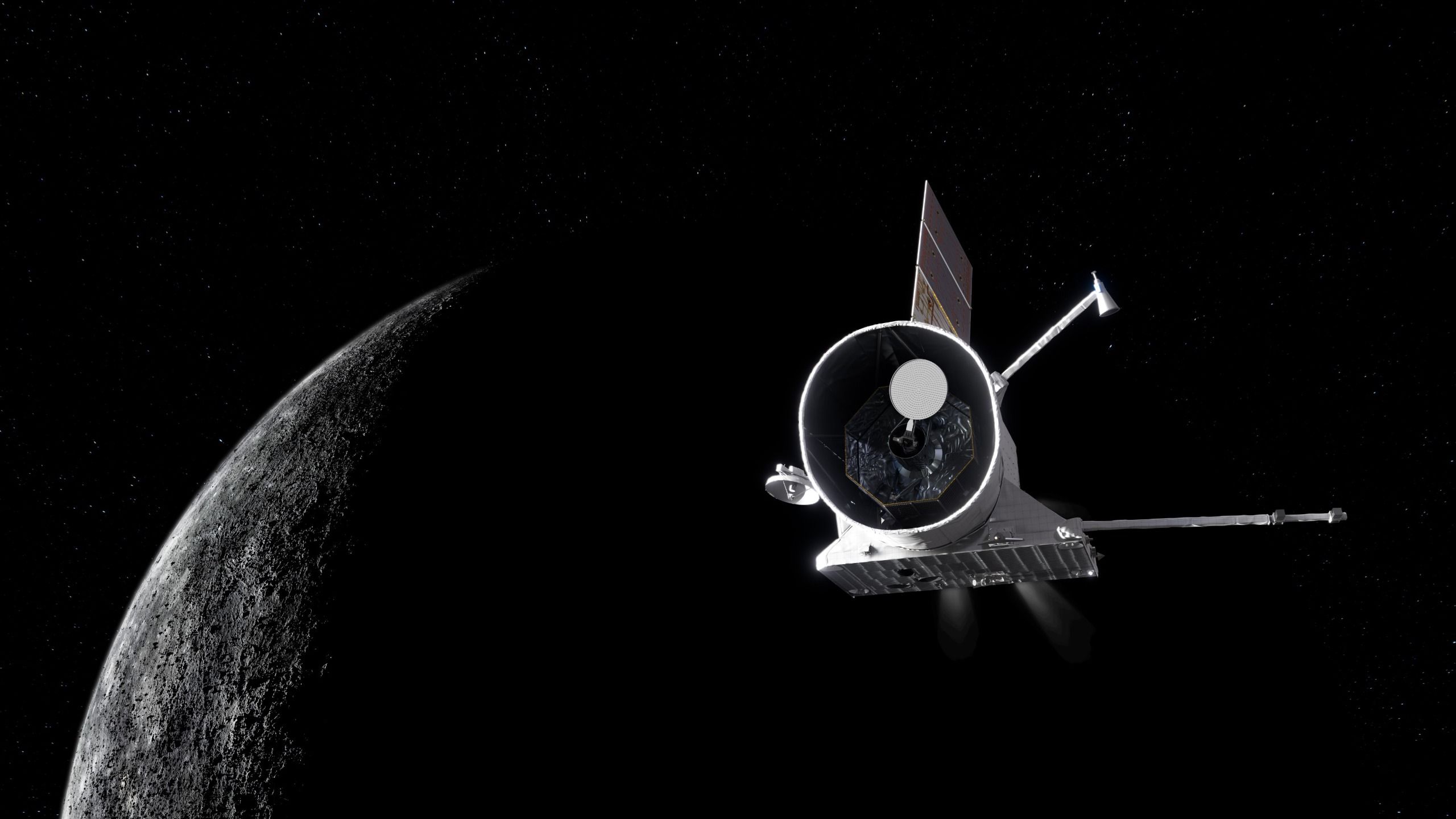
BepiColombo slipped into orbit around Mercury on Saturday after an eight-year, 10-billion-kilometer cruise, becoming only the second spacecraft...
NASA Pauses Science On Perseverance Rover And Mars Odyssey Orbiter
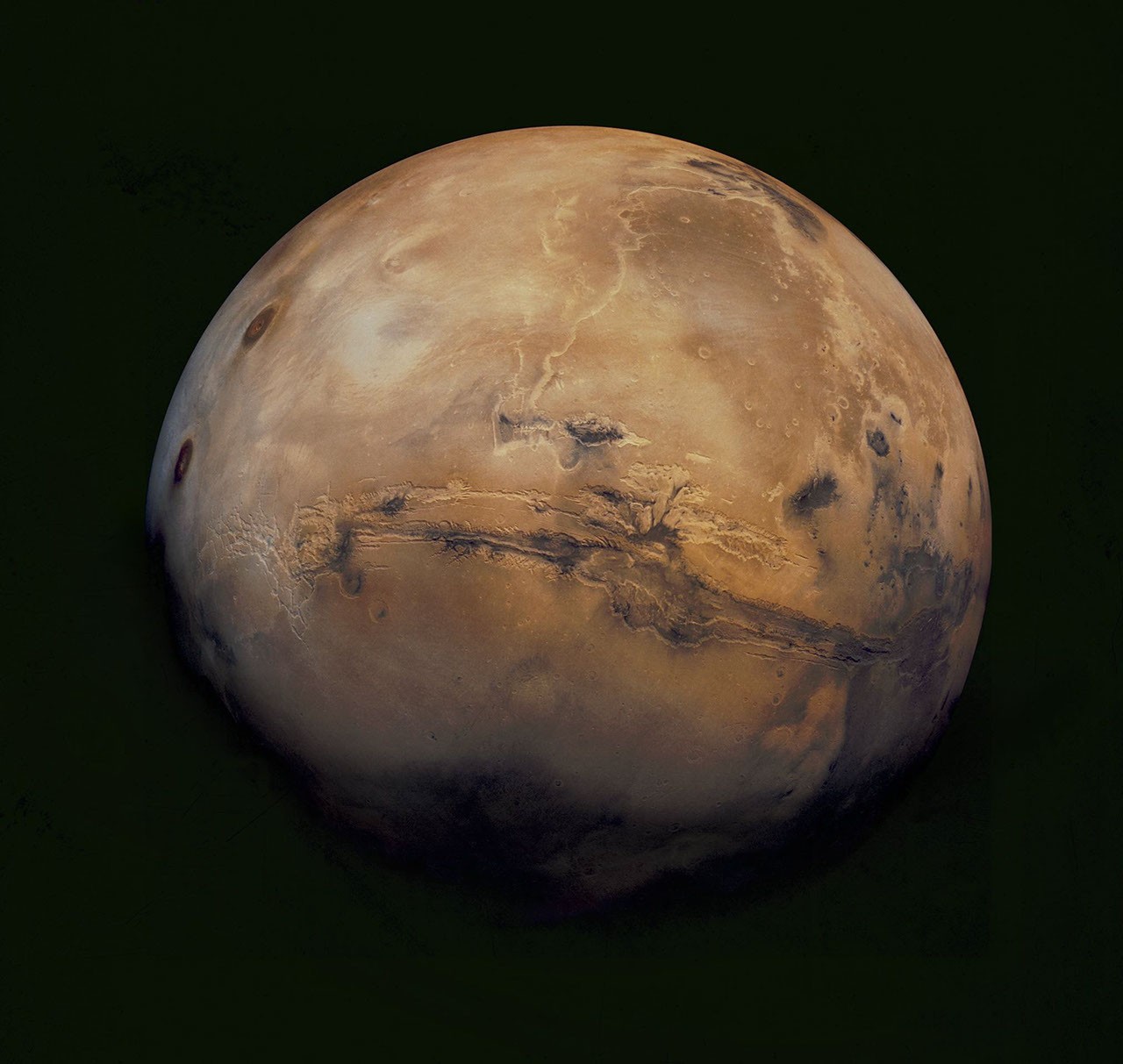
NASA paused active science operations on the Perseverance rover and the veteran 2001 Mars Odyssey orbiter after hardware...
DESY, European XFEL Reliably Generate Sub-Atomic X-ray Flashes at 0.04 Nm
Researchers at DESY and European XFEL have reliably produced X-ray laser flashes with a wavelength of about 0.04...