
Michigan Voters Approve Proposal 2 to Restrict Political Donations
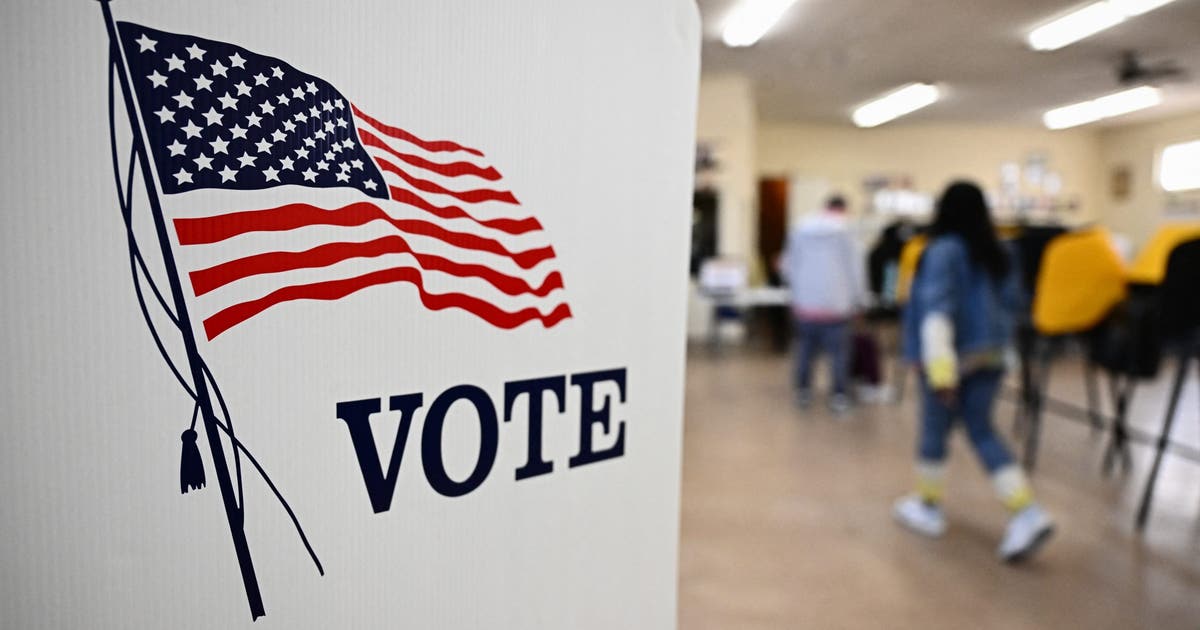
Michigan voters approved a ballot proposal to ban utility companies and other state contractors, and their executives, from making political donations, according to reporting by Gongwer Michigan and MIRS News. Unofficial election results cited by Gongwer Michigan and MIRS News showed Proposal 2 carrying 84.7% support as of 9:30 p.m. on election night.
The ballot initiative, known as the “Money out of Politics” proposal, targets organizations with annual state contracts of at least $250,000, along with regulated utility monopolies such as DTE Energy and Consumers Energy. Under the new measure, direct family members of executives at these companies are also barred from making political contributions in the state.
Proponents specifically pointed to DTE and Consumers, arguing that campaign contributions from major utility providers have stalled legislative proposals aimed at holding electric companies accountable for prolonged power outages.
Along with contribution limits, Proposal 2 enacts new disclosure mandates under the state’s Campaign Finance Act. Current law requires television and radio ads advocating for a ballot issue to disclose their financial backers only if the ad explicitly instructs viewers how to vote. The newly passed proposal requires all issue advocacy ads to disclose donors regardless of explicit voting instructions, and updates statutory language from “radio or television” to “audio or video” to cover paid social media campaigns.
Think Tank Sues to Block Proposal 2 Restrictions
Opponents of the proposal argued during the campaign that the measure would create a chilling effect on political participation and unfairly penalize thousands of government contractors. According to FOX 2 Detroit, targeted companies maintained that the restrictions would impair their ability to engage in policymaking discussions regarding issues that directly affect their operations.
Immediate legal action followed the election. The Mackinac Center for Public Policy, a Midland-based think tank promoting free market principles, sued to block parts of Proposal 2 shortly after its passage Nov. 3 in U.S. District Court. The lawsuit names Michigan Secretary of State Jocelyn Benson and Attorney General Dana Nessel as defendants.
Attorneys representing the Mackinac Center argued in the court filing that the donor disclosure requirements violate the organization’s First Amendment free speech rights by applying campaign finance laws to non-political entities that publish election-related content. A nonpartisan analysis by the Citizens Research Council of Michigan previously noted that U.S. Supreme Court jurisprudence generally protects political spending under the First Amendment, limiting campaign finance restrictions strictly to the prevention of quid pro quo corruption.
Next Steps for Accountability Measures
Following the passage of Proposal 2, advocates are pressing lawmakers to advance utility accountability regulations without delay. “Lawmakers should feel they’ll be held accountable,” Manna Ibanez, a metro Detroit parent and supporter of the ballot committee, said during an October 29 news conference covered by the Detroit Free Press. “At the end of the day, they’re elected officials, they’re put in these positions to be able to advocate for the people.”
Worth a look

Bobby Jordan Bryant Jr. Obituary (1960-2026), South Carolina
Bobby Jordan Bryant Jr., a beloved husband, father, grandfather, brother, and friend who built a life around deep...

Massachusetts Voters Reject Question 8 to Protect Legal Cannabis Market
Massachusetts Voters Keep Cannabis Legal by Rejecting Question 8 Repeal Ten years after voting to legalize adult-use cannabis,...
Julian Jones Becomes Baltimore County’s First Black County Executive
Julian Jones Secures Baltimore County Executive Race Julian Jones made history Tuesday night when voters elected him Baltimore...
Julia Letlow Wins Louisiana Senate Seat With 51% of the Vote
Julia Letlow Wins Louisiana Senate Seat in Tighter Race Than Expected Republican U.S. Rep. Julia Letlow secured Louisiana's...