
MSU students cast ballots in high-stakes midterm elections
Michigan State University students are heading to the polls this Tuesday to participate in a series of elections that could reshape Michigan’s political landscape and the balance of power in Washington. As the 2026 midterms mark the midpoint of President Donald Trump’s second term, the results of these races may determine whether the Democratic Party can reclaim federal influence or if the Republican Party will maintain its current grip on the presidency, the House of Representatives, and the Senate.
According to reporting from The State News, the voting activity on the East Lansing campus is centered around several critical statewide contests and highly competitive local races. Among the most watched is the U.S. Senate race between Democratic nominee Abdul El-Sayed and Republican nominee Mike Rogers. Rogers is looking to avenge his narrow 2024 loss to Senator Elissa Slotkin, which was decided by fewer than 20,000 votes.
In East Lansing specifically, the outcome of the race for Michigan’s 7th Congressional District could hinge on student turnout. The contest features incumbent Republican Tom Barrett, representing Charlotte, against challenger William Lawrence.
Voters prioritize living costs and healthcare
For many students, the decision at the ballot box is driven by immediate economic pressures and social policy. Samaria Osborn, a freshman studying psychology living in the North Neighborhood, cast her vote for El-Sayed in the U.S. Senate race. She cited rising living costs and the affordability of healthcare as her primary motivations.
Osborn also expressed strong disapproval of President Trump, noting concerns regarding various allegations and controversies. When it came to the Board of Trustees race, however, the complexity of the ballot proved a hurdle; Osborn noted she could not remember the names of the candidates listed for those positions.
Similar policy-driven motivations were echoed by Riya Kumar, a sophomore in supply chain management living in the River Trail Neighborhood. Kumar also voted for El-Sayed, stating his platform aligned most closely with her views on Medicare for All and the need for stricter oversight of U.S. Immigration and Customs Enforcement (ICE).
Regarding the presidency, Kumar observed that the ongoing controversies surrounding Trump have created a sense of friction across the political spectrum. “There’s been a lot of controversy he’s been going through, and I feel like both parties are having issues with him right now,” she said.
Campus governance and corporate influence
The election also carries significant weight for the internal administration of Michigan State University. Vincent Delgado, a senior studying social studies and secondary education, voted a straight-ticket Democrat. For the congressional race, Delgado supported William Lawrence, citing the challenger’s community organizing background and his refusal to accept funding from corporate political action committees.

Delgado’s priorities extended to foreign policy and local infrastructure, specifically mentioning the desire to end military aid to Israel and prevent the expansion of data centers. His votes for the Board of Trustees were tactical, as he supported incumbents Kelly Tebay Zemke and Brianna Scott primarily to prevent the election of Republican nominees Julie Maday and Roger Victory.
Delgado also voiced frustration with the university’s leadership and fiscal priorities. He expressed a belief that the administration has not been held sufficiently accountable, particularly regarding executive compensation during periods of institutional austerity.
“I think they have let President Guskiewicz get away with too much, because they’re scared of him leaving. I really didn’t agree (with) raising his salary when student workers are losing their jobs because of budget cuts and then we give him like another million. I don’t think that’s fair.”
As Election Day progresses, student voters continue to navigate a ballot that connects local campus issues—such as student worker wages and administrative transparency—to the broader national struggle for control of the federal government.
Related reading
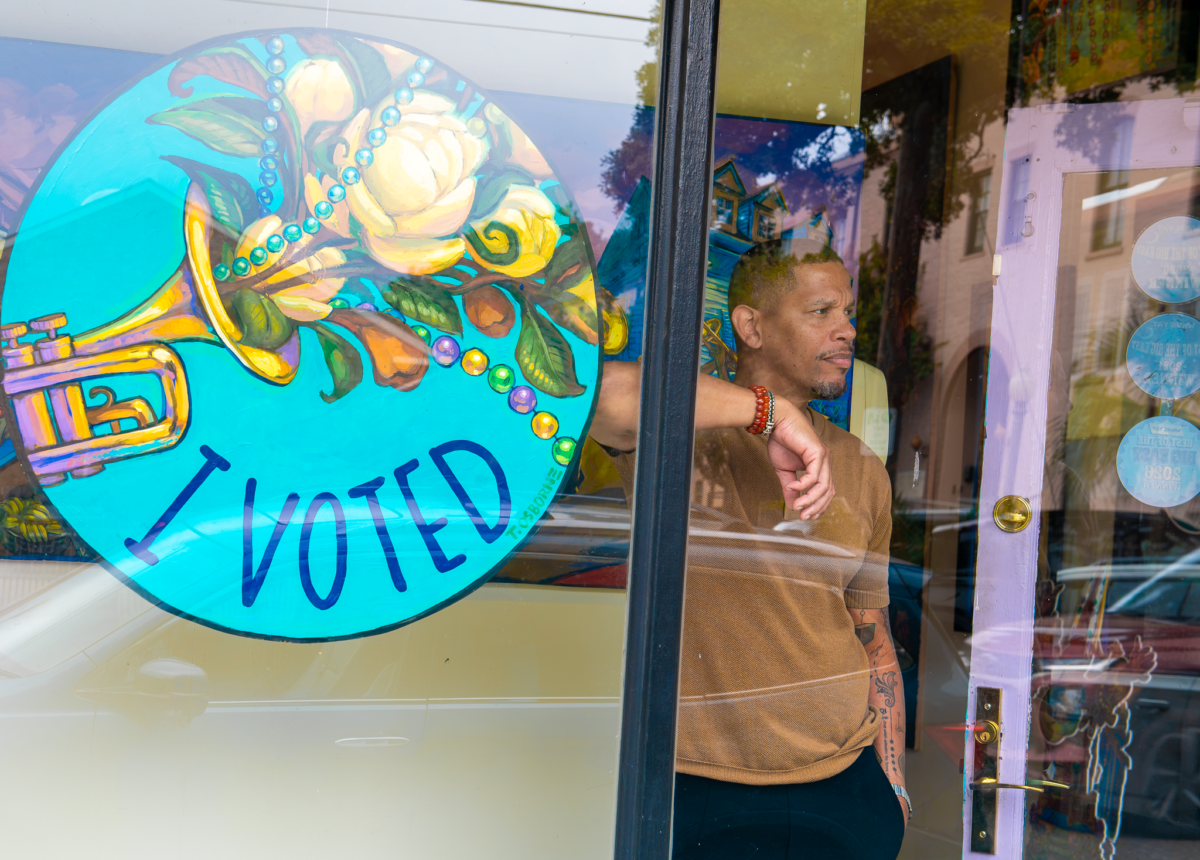
Terrance Osborne uses jazz and magnolia motifs for Louisiana sticker
Terrance Osborne uses jazz and magnolia motifs for Louisiana 'I Voted' sticker Artist Terrance Osborne designed the "I...

Kentucky Basketball Season Opener and CFP Rankings Update
The Bluegrass Doubleheader: Rupp Arena Opens and the CFP Polls Loom The Kentucky Wildcats face a defining Tuesday...

Escaped Tennessee Murderer Jacob Morley Captured Near Kansas City
Jacob Morley captured in Missouri after Tennessee prison escape "Thank you to the public for its assistance, vigilance,...
Cedar Rapids Job Growth Outpaces Des Moines and Iowa Average
Cedar Rapids outpaces Des Moines in Iowa job growth The economic landscape of Iowa is shifting in a...