Milwaukee County Budget Battle Exposes $11 Million GLP-1 Medication Bill
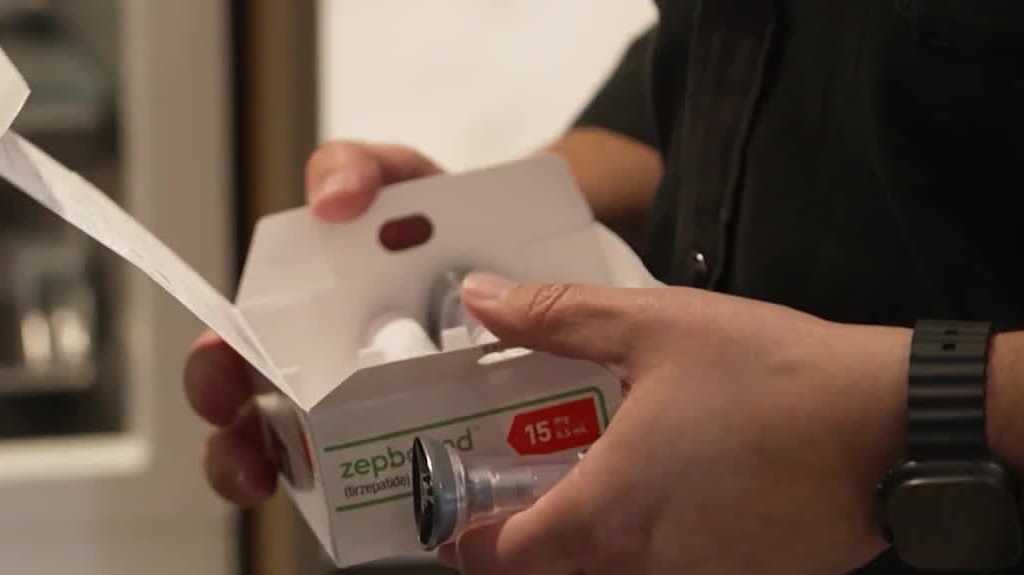
Weight loss drugs took center stage during Milwaukee County’s budget deliberations, revealing an $11 million price tag for employee insurance coverage that left lawmakers scrambling for fiscal solutions. WISN reported that the surging utilization of GLP-1 medications has caught county leadership off guard, triggering an hourslong debate on Thursday over how to manage the escalating expense.
The numbers underlying the debate highlight a rapidly expanding fiscal footprint. Milwaukee County spent $11 million this year alone on employees using GLP-1 medications through their insurance plans. Lawmakers warned that without structural changes, the expenditure will climb even higher next year.
“I see this is just going to explode; it’s just not going to stop,” Milwaukee County Supervisor Sheldon Wasserman said.
Supervisor Shawn Rolland authored an amendment designed to curb the county’s liability by altering copay structures and restricting eligibility. The proposal sought to increase employee copays for GLP-1 medications from $40 to $150 while limiting coverage strictly to individuals diagnosed with diabetes. Rolland pointed to an urgent budgetary shortfall as the primary driver behind the measure.
“Because we need to find $4.5 million to patch a hole that we had no idea about until yesterday,” Rolland said.
The Division Over Copays and Patient Access
The proposed amendment failed to secure enough votes after a contentious debate among the Milwaukee County Board of Supervisors. Critics of the measure argued that shifting the financial burden onto workers penalizes employees who are adhering strictly to medical advice.
“It’s an additional $1,320 per year imposed on people who are following the treatment plan prescribed by their physicians,” Milwaukee County Supervisor Deanna Alexander said.
On the other side of the debate, policymakers focused on the broader health profile of the region and the competing demands on public funds. Supervisor Sheldon Wasserman, who also works as a physician, noted the dual challenge facing the local government.
“Right now we’re the ninth heaviest state in the country; we’re a very heavy county,” Wasserman said. While supporting the clinical use of GLP-1 medications, he acknowledged that the current trajectory poses a direct threat to other county services.
“The amount that we’re putting forward to GLP-1 could be paying for our transit system, our park system,” Wasserman added.
What Happens Next as Drug Costs Climb
With the amendment defeated, Milwaukee County faces an projected increase that could push total medication costs up to $15 million next year. Leadership has not yet identified an alternative funding mechanism to absorb the growing expense without impacting other municipal departments.
The debate over balancing employee healthcare benefits against county fiscal solvency remains unresolved, setting the stage for renewed budget battles as the financial projections for the medication continue to rise.
Related reading

Little Rock Foodie Friday Celebrates National Nacho Day With Salt and Pepper Food Truck
Salt and Pepper Food Truck Brings Birria Nachos to Cantrell Road for National Nacho Day If you are...

Mark Lamb Wins AZ-5 With 51.5% of the Vote After Narrow Race
Mark Lamb Secures CD5 Victory With 51.5% Amid Tight Arizona House Races Former Pinal County Sheriff Mark Lamb...

Mary Peltola Leads Dan Sullivan in Tight Alaska Senate Race
Fewer Than 700 Votes Separate Candidates in Undecided Alaska Senate Race Fewer than 700 votes separated the top...

Judge Overturns Domestic Violence Conviction of San Jose Pastor Ray Montgomery
A San Jose pastor and former civil rights leader convicted earlier this year of misdemeanor domestic violence is...