
Jon Ossoff secures reelection to Georgia U.S. Senate seat
Democratic incumbent Jon Ossoff won reelection to the U.S. Senate on Tuesday, defeating Republican challenger Representative Mike Collins in a high-stakes battle for one of the nation’s most watched swing states, WALB.com reported. Major news outlets, including the Associated Press, CBS, and NBC, called the race less than an hour after polls closed, confirming that Ossoff would maintain his seat in the southeastern battleground state.
The victory marks a significant moment for Georgia’s political landscape. While the state shifted back toward the Republican column in 2024 when Donald Trump reclaimed the presidency, Ossoff’s win ensures that Georgia will continue to be represented by two Democrats in the Senate, alongside Raphael Warnock. The outcome also signals a successful defense for Democrats in a cycle where the GOP had identified Georgia as a primary target for flipping Senate control.
The campaign focused on corruption and national leadership
Ossoff, 39, centered his reelection bid on a sharp critique of political corruption, specifically targeting the relationship between Donald Trump and his family’s wealth. During his campaign, Ossoff characterized the former president as a “failed president” who has profited from the Oval Office, framing the contest as a fight against “moral corruption” and the “cynical indifference of powerful people.”
BREAKING: Democrat Jon Ossoff wins reelection in Georgia’s U. S. Senate race, defeating Trump-backed Republican Mike Collins. pic.twitter.com/YJNSYB4sCz
This aggressive stance resonated with a massive fundraising apparatus. Ossoff raised more than $109 million throughout the campaign, a figure that outpaced Collins by a margin of more than 10-to-1. Fox News reported that while the GOP initially viewed Ossoff as a vulnerable incumbent, his ability to build this war chest helped him maintain a lead that expanded as election night progressed.
The Republican campaign, led by Mike Collins, attempted to pivot the conversation toward border security and economic stability. Collins made the Laken Riley Act—a 2025 law requiring the detention of certain undocumented immigrants accused of specific crimes—a centerpiece of his platform. The law was named after a Georgia nursing student killed in 2024 by a Venezuelan man who was in the country illegally. Collins also accused Ossoff of supporting policies that contributed to inflation and rising costs of living.
Internal Republican struggles and coalition shifts
The path to the general election was notably turbulent for the Republican party in Georgia. Unlike Ossoff, who cruised through a largely unopposed renomination, Collins faced a combustible three-way primary battle against Representative Buddy Carter and former college football coach Derek Dooley. Dooley had the backing of outgoing Georgia Governor Brian Kemp, but Collins ultimately secured the nomination following a June runoff, aided by an eleventh-hour endorsement from Donald Trump.
Even after the primary, the Republican coalition remained fractured. Governor Kemp, who had expressed doubts about Collins’ ability to win the general election, did not offer his endorsement until September. This lack of early unity stood in stark contrast to the unified Democratic front, which saw endorsements from several local Republican officials and strong support from the Democratic National Committee.
Collins also faced personal and professional scrutiny during the race. Fox News reported that Ossoff used the debate stage to highlight a House ethics investigation into whether Collins had misused taxpayer funds to hire a former staffer’s girlfriend. Additionally, the campaign was dogged by controversy surrounding social media posts made by Collins’ son-in-law, which included far-right imagery and antisemitic conspiracy theories. While Collins stated he had fired former staffers associated with such views and condemned white supremacy, the issue remained a point of contention throughout the final months of the race.
The human and political stakes for Georgia
For voters, the choice between the two candidates represented fundamentally different visions of governance. Ossoff leaned into his record of constituent services, including managing hurricane relief and navigating federal programs for local citizens. In contrast, Collins leaned on his private sector background as a trucking company owner to argue he could better manage the state’s economic interests.
The implications of this victory extend beyond the state lines of Georgia. Because Ossoff successfully defended a seat in a state that Trump won in both 2016 and 2024, his win has intensified speculation regarding his future political ambitions. Although Ossoff has denied interest, political analysts note that his performance in this battleground state could position him as a major figure for the 2028 presidential cycle.
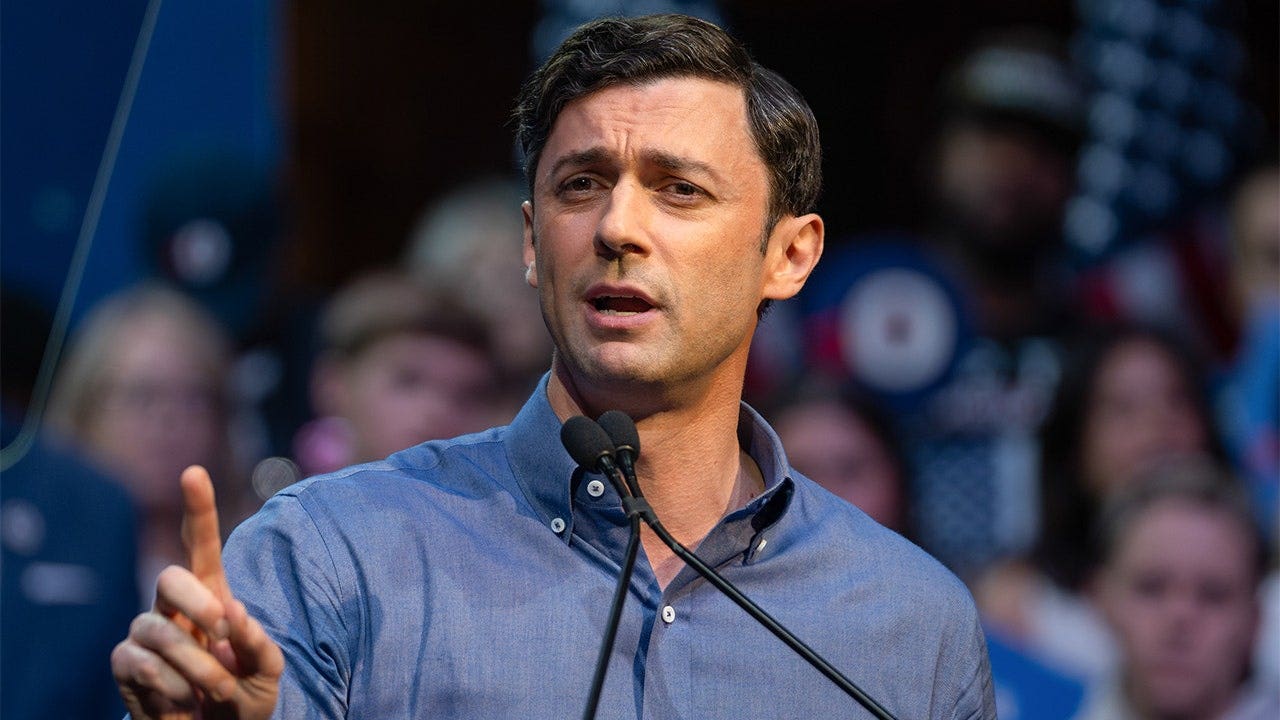
At his victory watch party, Democratic state Senator Harold Jones of Augusta framed the win as a turning point for the country.
“The clock is ticking on Republican rule in this state,” Jones said. “The clock is ticking on Republican rule in this nation. In fact, the alarm has already sounded in one race, with the reelection of Jon Ossoff.”
As the dust settles on the 2026 midterms, the central question remains how the shifting demographics and political volatility of states like Georgia will continue to dictate the balance of power in Washington.
Worth a look

Zhuhai Huafa Group debt struggles Trigger China bond market volatility
Zhuhai Huafa Group Debt Struggles Trigger Volatility in China Bond Markets The unprecedented property crisis in China has...

Attempted Murder Trial Begins for Adrian Maggos in Cheyenne
A Laramie County jury begins hearing testimony in attempted murder trial The legal proceedings for Adrian Maggos, a...

Democrat Charles Glover Defeats Incumbent Joe Boykin in Charleston County Council Upset
Charleston County Council undergoes leadership shift following November 3 election The makeup of the nine-member Charleston County Council...

Sprinkler System Contains Apartment Fire in Downtown Seattle; No Injuries Reported
A sprinkler system limits damage during Tuesday morning apartment fire A fire in a seventh-floor apartment near Pioneer...