
The Tampa Bay Buccaneers are set to host the Atlanta Falcons this Sunday at 1:00 p.m. at Raymond James Stadium, an NFC South clash that carries significant weight both on the gridiron and within the local community. Beyond the standard divisional implications, the organization has designated this Week 8 matchup as its annual “She Is Football” game, a concerted effort to address the widening participation gap for girls in youth sports.
The Pipeline Problem in Youth Athletics
While the connection between high-level professional success and early athletic participation is well-documented, the data suggests a systemic decline in engagement for young girls. According to the organization’s official report, 94% of women currently serving in executive positions participated in youth sports. Despite this correlation, girls are dropping out of organized athletics at twice the rate of their male counterparts. The Buccaneers’ “She Is Football” initiative seeks to reverse this trend by providing targeted programming and mentorship opportunities designed to keep girls engaged in the game during their formative years.
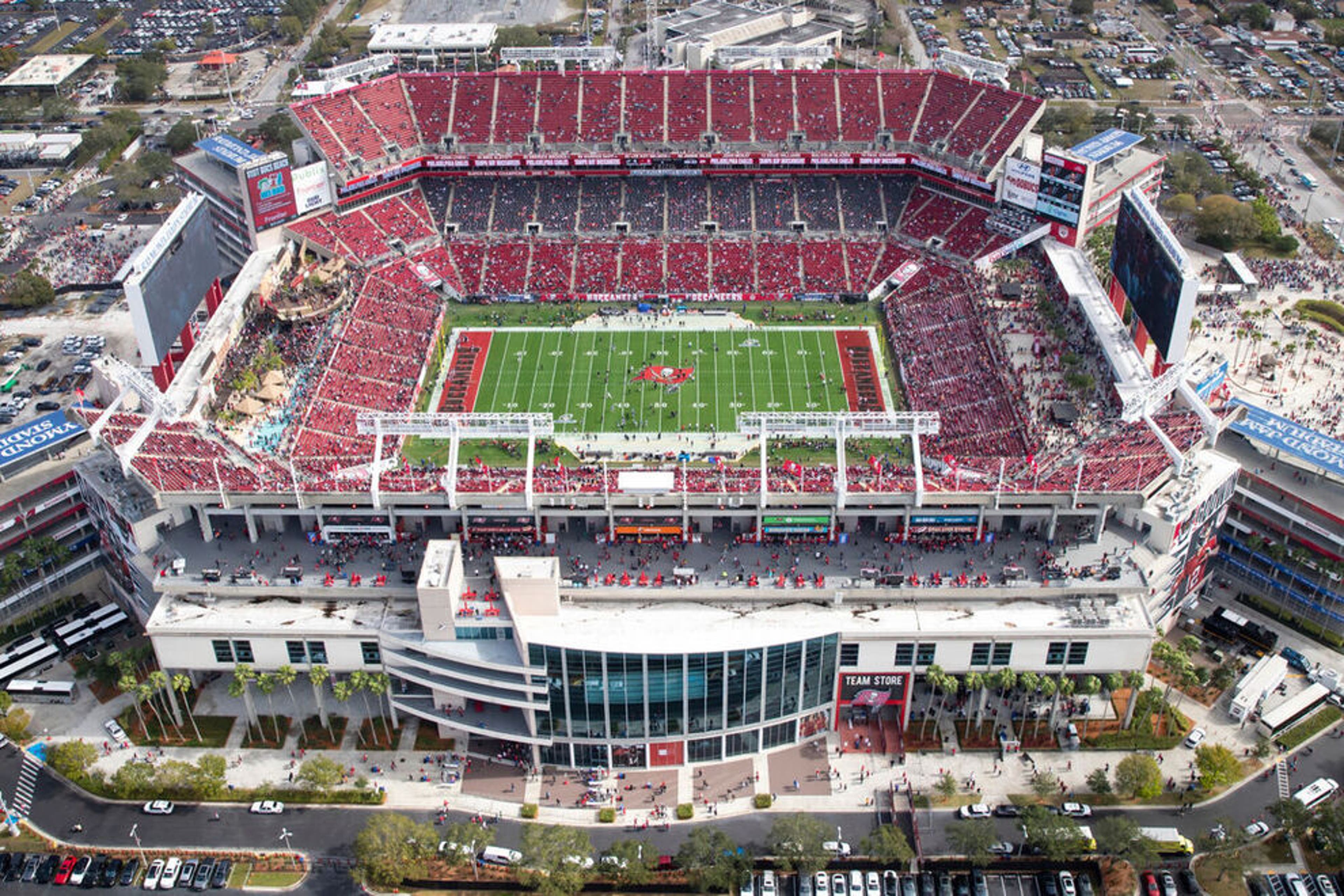
The gameday experience at Raymond James Stadium will reflect this mission. Attendees will see the initiative woven into the pre-game and in-game schedule, including a scholarship recognition for flag football athletes. In a nod to the next generation of competitors, the team is encouraging all girls who participate in youth sports to wear their team uniforms to the stadium for special in-game recognition.
Integration of Athletic and Civic Programming
The Sunday schedule is packed with ceremonial and competitive elements that highlight female leadership. Pranysqa Mishra is slated to perform the national anthem, followed by a flyover featuring three MV-22B Ospreys. The halftime show will shift the focus to the collegiate level, as four women’s flag football teams—Warner University, Florida Gateway College, the University of Florida, and the University of Central Florida—compete in a skills challenge. The event will test core football mechanics, including a quarterback long toss, a running back challenge, a wide receiver gauntlet, and a 40-yard dash.

The team is also leveraging the visibility of the game to support local food security. Through the “Tackling Hunger Fueled by The Mosaic Company” partnership, the Buccaneers and Mosaic have committed to donating one meal to Feeding Tampa Bay for every fan in attendance. Based on projected attendance, this initiative is expected to provide 131,684 meals to the region.
This partnership has deep roots in the community. Since its inception in 2021, the collaboration has focused on long-term infrastructure, helping Feeding Tampa Bay establish and operate four school food pantries. These sites, located at Robinson Elementary/Turkey Creek Middle Schools, Lamb Elementary School, Broward Elementary School, and Pinecrest Elementary School, have provided access to nearly 800,000 meals and supported over 5,500 families in underserved neighborhoods.
Economic and Concessions Impact
The game also marks the latest installment of the Tampa Bay Chef Series, presented by Corona. Chef Jessica Cordova of Taco Riendo will feature a traditional chicken tamale—prepared with corn-based dough, shredded chicken, and salsa verde—available to fans on the main concourse in Section 108 and on the Club Level in Sections 210 and 237.
For those looking to support the “She Is Football” mission financially, the team has introduced a new merchandise collection by The Wild Collective. A portion of the proceeds from these sales, both online and at the official team store, will be directed to the Tampa Bay Buccaneers Foundation to fund ongoing programming for girls in sports. This approach mirrors a broader trend in professional sports organizations moving toward social impact models that link consumer spending directly to community-based philanthropic outcomes.
While the Falcons look to challenge the Buccaneers on the field, the surrounding festivities underscore the evolving role of NFL franchises as hubs for regional social policy and youth development. The success of these programs—particularly the school-based food pantries—continues to serve as a benchmark for how professional teams can utilize their massive reach to address local economic instability.
Baton Rouge among 4 U.S. cities chosen for Justice Department crime reduction grant
Out of 47 major cities that applied across the country, just four secured a spot. Baton Rouge stands...

Team News: Regulars return for playoff opener as Bird changes six – Louisville City FC
Louisville City FC interim head coach Simon Bird has restored his first-choice lineup for Friday’s Eastern Conference Quarterfinal...

Florida Tech Swimming Breaks 3 Records and Sets 8 NCAA B-Cuts
The Florida Tech men’s and women’s swimming teams set a high bar on Friday, Oct. 30, securing three...

Men’s Basketball vs The College of Idaho on 10/30/2026 – Box Score
The game was defined by frequent lead changes, aggressive play in the paint, and a series of tactical...