When public funds flow into rural health initiatives, the paperwork trail matters just as much as the medical equipment arriving at the clinic door. For administrators managing the Mississippi Rural Health Transformation Program, following federal procurement rules when using a Group Purchasing Organization is the central hurdle for keeping grant funding intact.
The Documentation Standard for GPO Purchases
According to program guidance issued for the Mississippi Rural Health Transformation Program, awardees utilizing a Group Purchasing Organization to buy goods or services must meet rigorous federal procurement requirements. The state’s guidance makes it clear that general GPO participation agreements or broad membership policies will not suffice. Instead, administrators must build a meticulous paper trail for every individual purchase.
A big day for healthcare in Mississippi! I’m announcing the establishment of the Mississippi Rural Health Transformation Program (RHTP) Office and launch of the official Mississippi RHTP website. The newly created office will be housed within the Office of the Governor.…
That means keeping the specific GPO solicitation on file, alongside clear proof that the request was publicly advertised for an adequate duration and reached a sufficient number of qualified sources. Awardees are also expected to document affirmative steps taken by the GPO to include small businesses, minority-owned enterprises, women’s business enterprises, veteran-owned firms, and labor surplus area firms, adhering to federal standards outlined in 2 CFR 200.321.
Recipients must also justify why a GPO was chosen over other methods and explain the rationale behind selecting a particular contract or vendor. When the GPO uses a Request for Proposals, supporting documentation such as bid tabulations or cost scoring sheets must be maintained.
Financial Thresholds Trigger Independent Cost Estimates
The financial thresholds trigger additional layers of scrutiny. Private and nonprofit entities must perform an independent cost estimate before making purchases expected to exceed $350,000. For governmental entities, that requirement kicks in at a much lower threshold of $75,000.
Administrators are also required to verify that chosen vendors are fully responsible and not barred, suspended, or disqualified from participating in federally funded transactions. Every agreement must include the vendor’s written commitment that the applicable Federal contract provisions found in 2 CFR 200 Appendix II will govern the purchase. Finally, awardees must preserve the executed GPO agreement, any subsequent modifications, and their own direct purchase orders or contracts.
To help manage this administrative load, program officials strongly encourage awardees to utilize the Procurement Request Form available in the portal, which then generates a checklist customized to specific entity types. Questions regarding documentation for specific GPO transactions can be directed to the program team at [email protected].
Governor Tate Reeves Announces Rural Health Awards
This strict procurement framework operates alongside a broader wave of healthcare funding and planning across the state. In September 2026, the Office of Governor Tate Reeves announced 167 Rural Health Transformation Program awards totaling more than $104 million, distributed across the Rural Provider Technology Grant Program, the Mississippi Rural Capital Project Care Gap Closure Grant Program, and the Telehealth Hub Connectivity, Equipment and Education Grant Program, as reported by Rural Health Information Hub.
Building on those investments, Mississippi officials announced in October 2026 that they are drafting a new state health plan centered on access to care, workforce stability, and the long-term sustainability of public health systems. Funded through the Rural Health Transformation Program and reported by Mississippi Today, this updated plan will update the previous version published in 2023.
Meanwhile, local entities looking to pioneer new approaches face an upcoming deadline. The Mississippi State Department of Health has set a November 16, 2026 application deadline for the Mississippi Innovative Pilot Program Grant, which provides funding to support cross-sector collaboration, integrated service networks, school-based health, behavioral health partnerships, and locally driven solutions across rural communities.
Related reading

Nevada Day Parade Announces Accessibility Accommodations for 2026
Thousands of residents and visitors will line the streets of Carson City this weekend for the annual celebration...

Salem NH Police Order Shelter in Place During Search for Fugitive
Salem Police Order Shelter-in-Place During Search for Armed Fugitive Salem, New Hampshire police ordered residents to shelter in...

June Elaine Kneifel Dies at 60 in Hastings, Nebraska
Unexpected Passing of June Elaine Kneifel at Age 60 in Hastings June Elaine Kneifel passed away unexpectedly on...
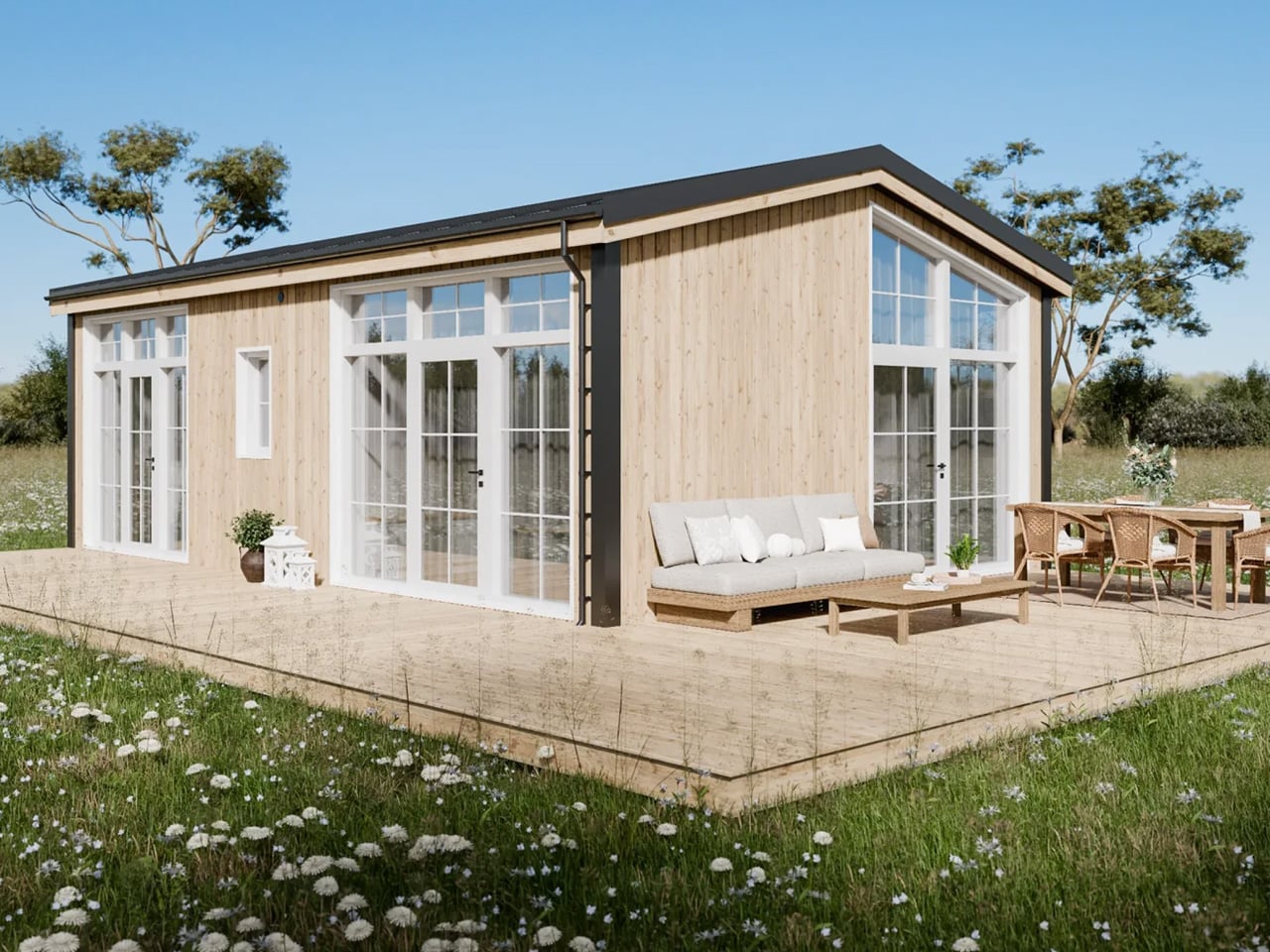
Vagabond Haven Helena Tiny Home Includes Two Bedrooms Without a Loft
When Swedish manufacturer Vagabond Haven rolled out its latest modular layout, the design challenges facing the modern tiny...