The Cost of Inactive Status in a Tight Senate Race
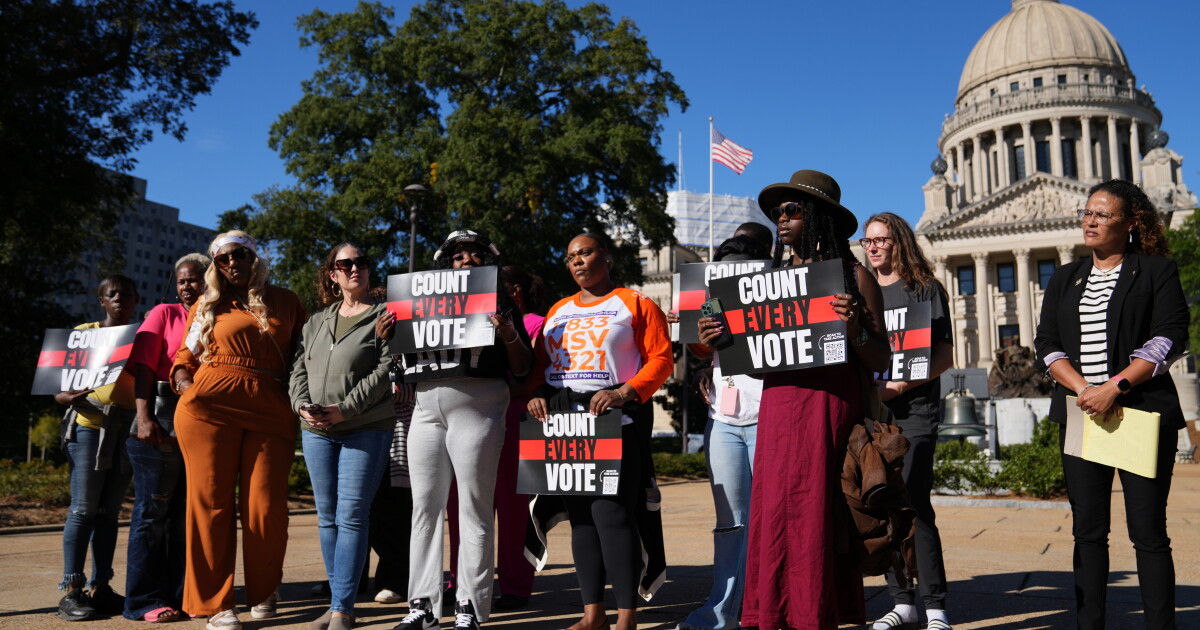
As election officials in Mississippi continue to tally votes in the razor-thin Senate contest between Democrat Scott Colom and Republican incumbent Cindy Hyde-Smith, a growing number of voters are questioning why they were forced to cast affidavit ballots rather than standard ones. Thousands of residents arrived at polling places this week only to discover their registration status had been marked as inactive, a designation that forced them to navigate a secondary, more complex voting process.
The delay in finalizing the election results is tied directly to these affidavit ballots, which must be verified individually by election clerks before they can be added to the official count. For voters like Kevin Green, who has participated in every election since returning to Mississippi in 2020, the experience was both surprising and frustrating. Green, as reported by Scripps News, discovered his status was inactive only after receiving a notification from the NAACP. Upon contacting his county clerk, he learned his registration had been flagged because he had not responded to a mailer intended to verify his residential address.
The Role of Consumer Data in Voter Rolls
Election experts and advocates point to the state’s reliance on third-party consumer data as a primary driver of these widespread registration issues. Mississippi has utilized address verification services provided by Experian to maintain its voter rolls. While the Secretary of State’s office has described this as a good-faith effort to ensure accuracy, the practice has faced significant scrutiny. Daniel Griffith, senior director of policy at Secure Democracy, noted that because the reliance on credit agency data does not align with industry best practices, it has led to unfortunate outcomes for many individuals.
The disconnect stems from how that data is utilized. Scott Anderson, vice president of corporate communications for Experian, stated that the service provided to the state consisted of supplemental address information and was not designed to validate voter records. Decisions regarding registration updates, Anderson emphasized, remain the sole responsibility of election officials acting under state and federal law.
The impact of these discrepancies is visible in official voter count data, which shows that more than 30 Mississippi counties experienced a net loss in active voters between January and September 2026. DeSoto and Harrison counties saw the most significant drops, losing roughly 1,750 and 1,150 active voters, respectively.
Barriers at the Ballot Box
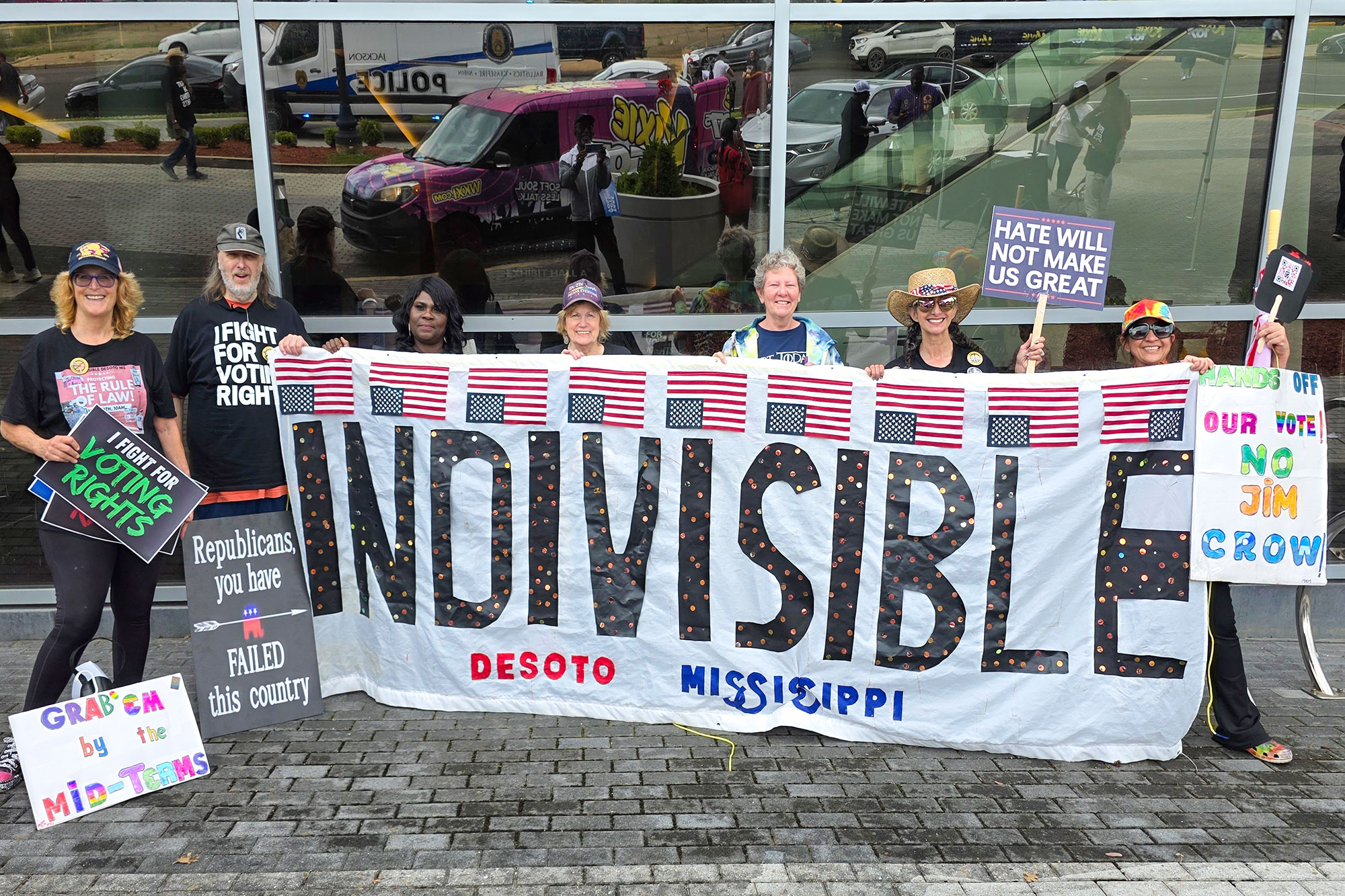
For those caught in the system, the experience often feels like an unnecessary hurdle. Kelly Jacobs, chairperson of the advocacy group Indivisible DeSoto, has spent months helping residents check their registration status. She told the Mississippi Free Press that she finds the lack of clear status information on the state’s public lookup portal to be alarming. Voters who assume they are registered may only learn of their inactive status when they arrive at the polls, potentially leading to long lines and voter discouragement.
“If you know you’re a registered voter, and you’re living in the same place that you always have, but you just happen not to have voted in the last couple of elections, it’s possible that you’ll be flagged as inactive,” said Brenda Wright, an attorney with the Legal Defense Fund. “The concern is that this could cause a lot of delays at the polling places.” Brenda Wright
While voters who cast affidavit ballots and provided identification generally do not need to take further action, those who lacked proper identification at the time of voting have until next Tuesday to rectify their records. The Secretary of State’s office has provided an online tracker for residents to monitor the status of their ballots, though the office did not respond to multiple requests for comment regarding the widespread nature of the inactive-voter issue.
A System Under Review
The political implications of these administrative errors are significant in a race decided by a razor-thin margin. Scott Colom has publicly criticized the state’s reliance on third-party data, urging affected voters to contact his campaign for assistance. Meanwhile, election officials are focused on the immediate task of processing the influx of affidavit ballots. Thessalia Merivaki, a distinguished professor of government at Washington State University, suggests that while the situation is a clear failure of data management, there is currently no evidence of a sinister motive.
As the count continues, the underlying question remains: how will Mississippi adjust its voter roll maintenance policies to prevent similar disenfranchisement in future cycles? For voters like Thomas Minor, who encountered an inactive status during the primary due to an Experian error claiming he had moved—despite living in the same home for a decade—the fix came too late to prevent the stress of the process. The path forward for the state’s election integrity will likely depend on whether officials move away from consumer-grade data in favor of more robust, transparent verification methods.

Moving the USS Batfish: The Massive Challenge of Relocating a WWII Submarine in Oklahoma
The USS Batfish, a 3.2-million-pound World War II Balao-class submarine, is facing an uncertain future on the banks...

Ashland Eagles Defeat Ohio Dominican Panthers in Four Sets
Panthers Regular Season Concludes with Ashland Road Defeat The Ohio Dominican University Panthers wrapped up their 2026 regular...

Supreme Court to hear North Dakota landowners’ legal fees case
Supreme Court to Review North Dakota Property Rights and Legal Fees The Supreme Court is preparing to hear...

Advancing Ecosystem Restoration and Wildfire Risk Management
The High-Stakes Calculus of New Mexico’s Wildfire Resilience When we talk about the future of the American Southwest,...