
Missouri AG Sues Four Retailers Over Marijuana Products Marketed as Hemp
Missouri Attorney General Catherine Hanaway is taking legal action against four retailers, accusing them of selling marijuana products falsely labeled as hemp. The lawsuits, filed in state and federal courts, allege that these businesses deceptively marketed products exceeding legal THC limits while posing as licensed dispensaries.
Key provisions of House Bill 2641, designed to close this loophole, are scheduled to take effect November 12, a timeline that gained momentum after a federal court dismissed a challenge to the law.
The Specific Allegations Against the Retailers
The four businesses named in the lawsuits are Puffers Choice LLC of Aurora, CBD Kratom Cannabis Dispensary of Des Peres, Herb Depot of Independence, and Token THC Dispensary of Rock Port. The core allegation across all cases is that these retailers sold products with THC levels exceeding the 0.3% legal limit for hemp, classifying them as illegal marijuana under both state and federal law.

The state’s claims are particularly pointed for Herb Depot. According to KCTV5, a petition filed in Jackson County Circuit Court alleges that Herb Depot, operating under the name Thooli LLC, displayed prominent “cannabis dispensary” signage despite not being licensed by the Missouri Department of Health and Senior Services. The state also claims laboratory testing showed an Indica flower product sold by the retailer, identified as “DOAP,” contained THC levels that classify it as marijuana. MJBizdaily corroborated this, noting that Herb Depot’s petition alleged a “DOAP” cannabis flower product exceeded the legal hemp limit.
For all four retailers, the state argues they concealed the true nature of their products and misled consumers. Hanaway stated, “Missourians deserve honesty and legality from the businesses operating in their communities. The days of drug pushers masquerading as licensed dispensaries are over. These businesses concealed the true nature of their products, misled consumers and put profits ahead of public safety.”
The Legal Backdrop: House Bill 2641 and a Federal Ruling
MJBizdaily explains that HB 2641 will bring hemp-derived cannabinoid products under Missouri’s regulated marijuana framework, requiring retail sales to be conducted only by state-licensed businesses. The law also prohibits unlicensed retailers from using the word “dispensary” in their names.
This legal action was strengthened by a key federal court decision on November 4. The U.S. District Court for the Western District of Missouri dismissed a legal challenge to HB 2641. The plaintiffs had argued the law conflicted with federal hemp regulations and violated constitutional protections, but the court rejected those claims, clearing the way for the law’s implementation on November 12. The dismissal “removes an immediate legal obstacle ahead of the law’s scheduled implementation,” MJBizdaily reported.
As of now, federal law defines hemp as containing no more than 0.3% delta-9 THC on a dry-weight basis. Products exceeding that are marijuana. Missouri’s new law aims to ensure that any product with intoxicating levels of cannabinoids is sold through the state’s regulated, taxed, and tested market, effectively closing the gap where hemp-derived products were sold outside this framework.
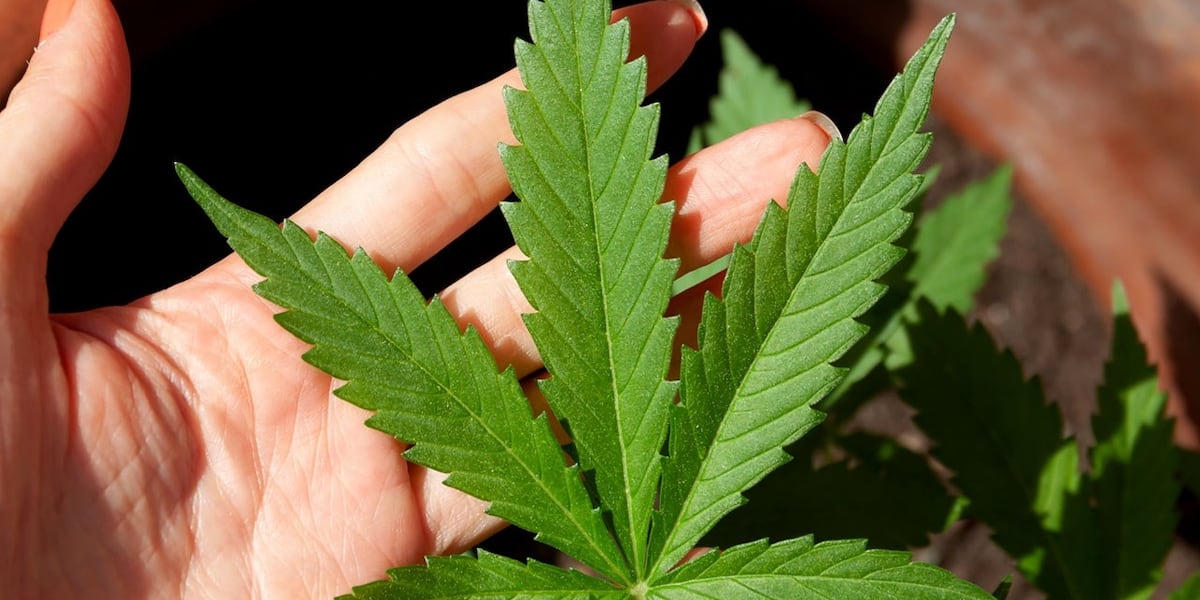
“Our office will continue using every tool available to hold bad actors accountable and protect Missouri families.” — Missouri Attorney General Catherine Hanaway
The push for this regulation comes from licensed operators who argue the previous system created an uneven playing field. Licensed dispensaries pay fees, collect taxes, and submit products for mandatory testing, while hemp retailers have not faced the same requirements. This disparity, many argue, allowed unregulated businesses to undercut legal ones and potentially expose consumers to untested products.
Closing the Hemp Loophole
A consumer purchasing a product labeled as hemp might unknowingly be buying an unregulated substance with a potency far above what is legally allowed.
Since licensed sales began in early 2023 following a 2022 voter-approved amendment, legal businesses have invested heavily in compliance. The “hemp loophole” allowed a shadow market to flourish in convenience stores, smoke shops, and standalone outlets, competing with licensed dispensaries without adhering to the same standards. By closing this loophole, the state aims to level the field and ensure all intoxicating cannabis sales are subject to the same rigorous oversight.
However, a counter-argument emerges from the businesses themselves. Reed Smith with Herb Depot told KCTV5 that his shop is “legally in compliance with Missouri statutes,” noting that the new law does not yet take effect.
The AG’s office maintains that regardless of the future law, current consumer protection and controlled-substance laws were being violated.
Worth a look

Big Red Holiday Ornaments Installed in Lansing
Downtown Lansing’s holiday season officially began Thursday morning with the installation of the iconic big red holiday ornaments...

Pennick Leads Navy Past Delaware State 66-60
Navy Edges Out Delaware State 66-60 in a Battle of Early-Season Form ANNAPOLIS, Md. — A gritty, back-and-forth...
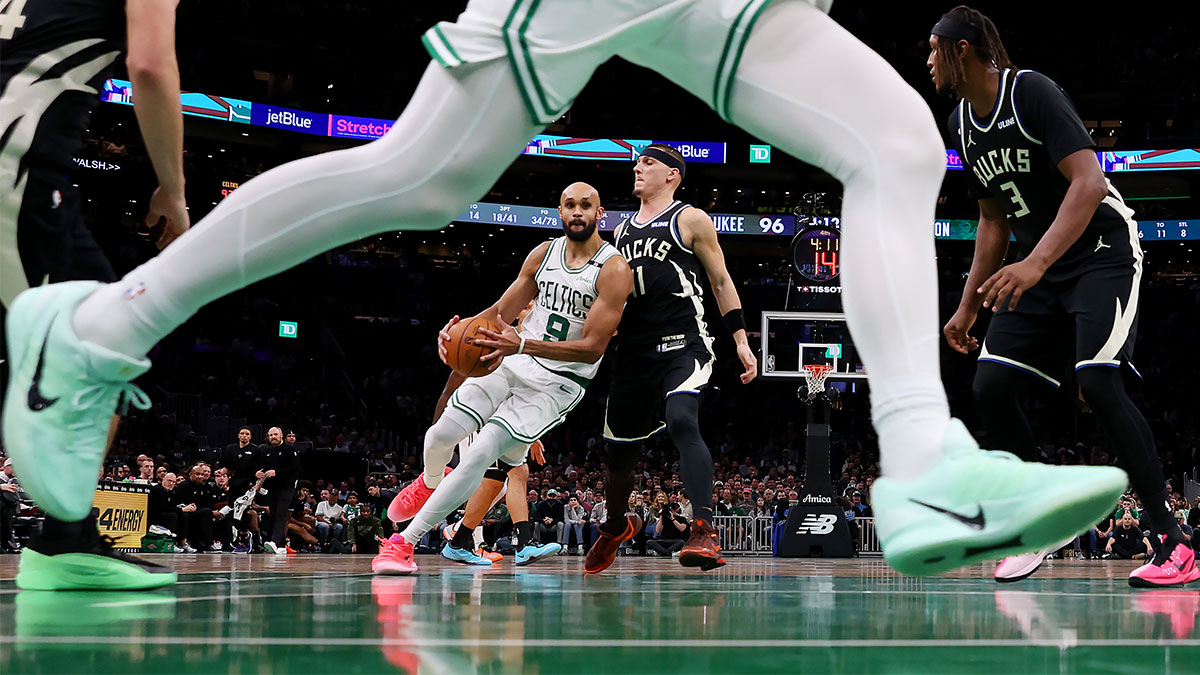
Celtics Hold off Bucks Rally for 109-102 Win
Derrick White Seals the Deal as Celtics Hold Off Bucks Rally The Boston Celtics survived a furious Milwaukee...

Cincinnati Volleyball travels to Kansas for Big 12 Matches
Cincinnati volleyball travels to Manhattan, Kan., to face Kansas State on Friday, Nov. 6, at 6 p.m. ET...