
115 names are etched into a new bronze plaque now hanging in the Missouri State Capitol, a permanent tribute to the patriots who fought for American independence and later made Missouri their home. The Jane Randolph Jefferson Chapter of the Daughters of the American Revolution installed the plaque Thursday, KRCG reported, in recognition of the upcoming 250th anniversary of the United States.
It’s a story of connection, bridging a revolutionary past with a present-day civic space. The plaque honors the men and women who served during the American Revolution and helped secure the nation’s independence. They are individuals whose stories are deeply intertwined with the state’s own history.
A Thank You Carved in Bronze
“They fought and won our independence that we have today,” said Penny Gottschalk, regent of the Jane Randolph Jefferson Chapter of the National Society Daughters of the American Revolution. Her organization, with its three pillars of education, historic preservation, and patriotism, sees the installation as a necessary act of gratitude.
“We want to honor those men and women who fought, served and gave us the freedom that we have today,” Gottschalk stated, adding that the Capitol was the ideal setting for this recognition. “We thought, ‘What a perfect place,’ this beautiful building that we can put this plaque to honor all the patriots that came to Missouri, made their home here in Missouri, and died here in Missouri.”
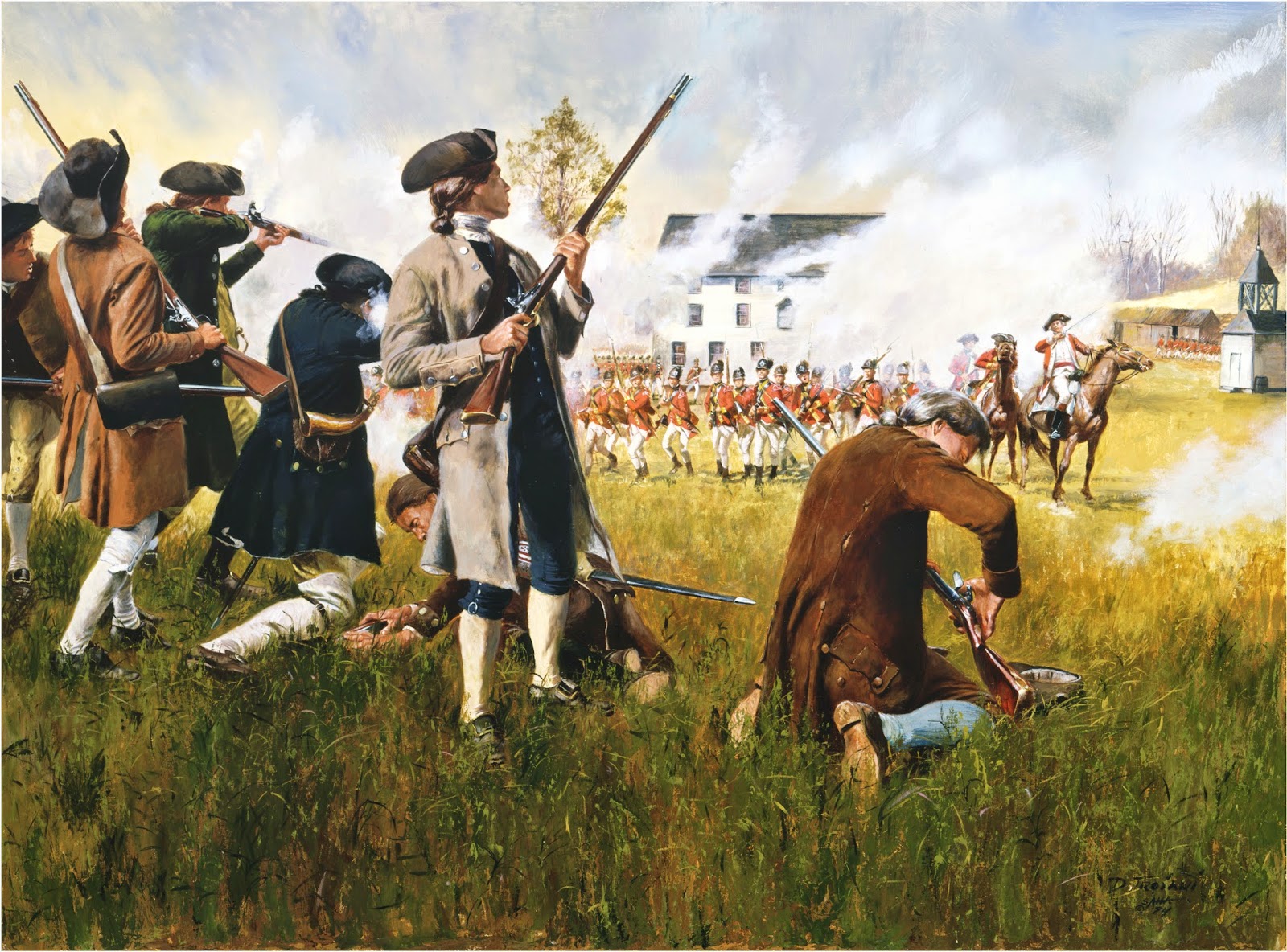
This is a thank you to them for what they have given us.
Penny Gottschalk, Regent, Jane Randolph Jefferson Chapter, Daughters of the American Revolution
The dedication is more than just an addition to the building’s decor. It represents an ongoing effort to ensure the legacy of these early Americans is not forgotten by future generations. The act of publicly commemorating these 115 individuals serves as a tangible link to the foundational events of the country, right within the heart of Missouri’s government.
A Legacy Forged in Two Eras
The story of these patriots is one of migration and new beginnings. After securing independence, many veterans of the Revolutionary War sought opportunity in the western territories. Missouri, a critical part of the nation’s expansion, became a home for these pioneers. The plaque doesn’t just mark their service in the 1770s and 80s; it honors their subsequent lives and contributions to the state that would join the Union in 1821.
For Missourians, especially those with an interest in history or genealogy, the plaque adds a layer of personal connection to the state’s past. It transforms the Capitol from a center of modern politics into a living museum, a place where the sacrifices of the past are acknowledged in the present. The installation comes at a significant moment in American history, as the nation approaches the semiquincentennial of its founding.
The Counter-Argument: A Question of Priorities
A plaque in a high-traffic, symbolic location like the State Capitol ensures that the honor is public, permanent, and visible to thousands of residents, tourists, and school children each year. It’s a constant, silent reminder of the foundation upon which the state and nation were built—a different kind of educational investment altogether.
The installation of the plaque also speaks to the enduring relevance of patriotic societies in modern American life. These organizations, founded on principles of lineage and historical fidelity, continue to find purpose in tangible acts of public commemoration. By placing this specific tribute within the Missouri State Capitol, they are making a clear statement: the ideals of the American Revolution and the people who embodied them remain central to the state’s identity.
The plaque stands as a testament to a shared history. It’s a physical anchor for a story that is often told in books but now, for the first time, has a permanent, public home in the heart of Missouri’s civic life. It ensures that the names and the service of 115 individuals are not just a footnote in history, but a present and enduring part of the state’s story.
Worth a look

Salvation Army of Augusta needs bell ringers for Red Kettle Campaign
The Salvation Army of Augusta is urgently seeking paid and volunteer bell ringers for its annual Red Kettle...

Defense Seeks Dismissal in Madison Brooks Case, Alleging Evidence Leak to Nancy Grace
Defense Seeks Dismissal in Madison Brooks Case After Video Leaked to Nancy Grace Just weeks before jury selection...

IndyGo issues bid for HVAC project at East Campus Building A
Indianapolis Public Transportation Corporation, dba IndyGo, has issued an Invitation for Bid (IFB) 26-10-597 for an HVAC project...

Chicago International Film Festival presents BP Shorts: Southside Spotlight
The Chicago International Film Festival presents "BP Shorts: Southside Spotlight," a program of five films rooted largely in...