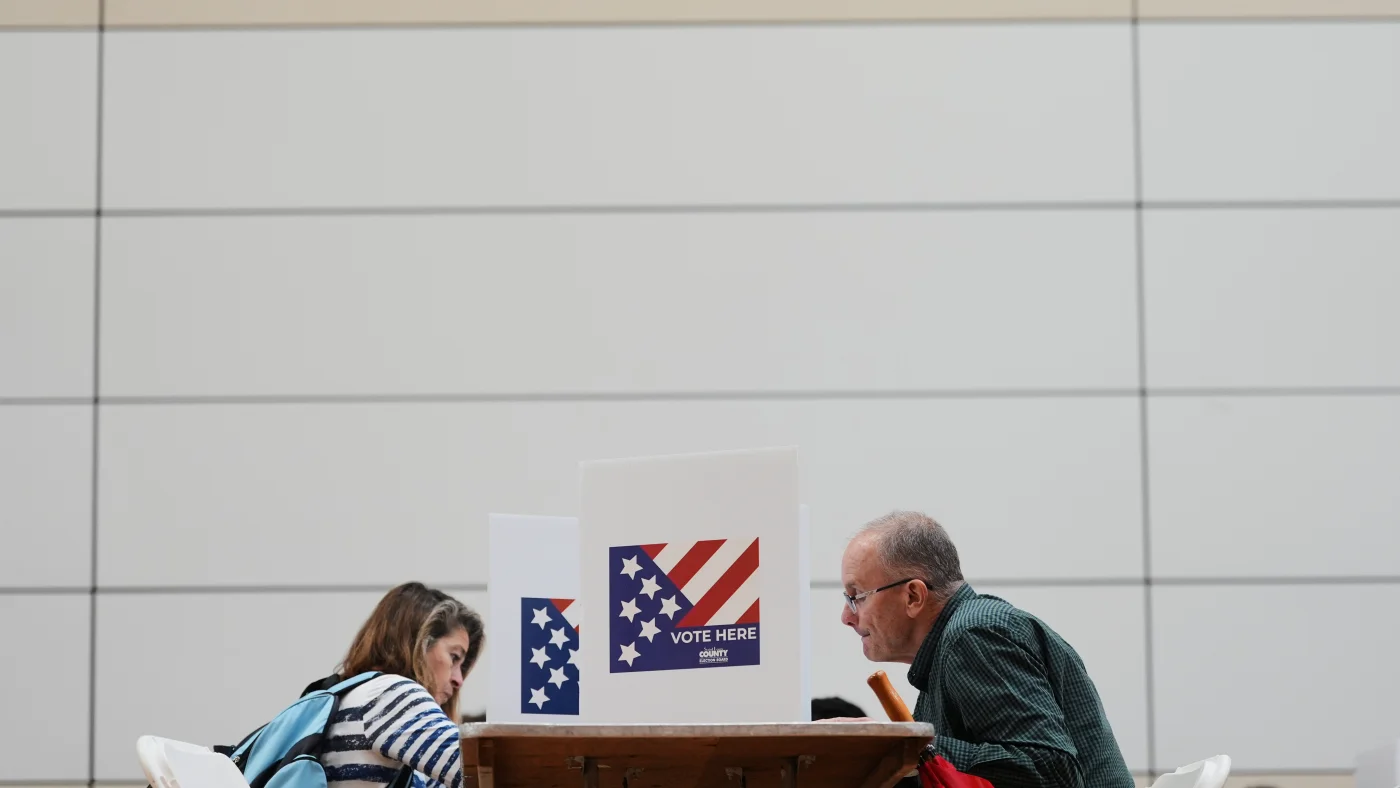
Voters Antonia Loomis and Carl Jacobs filled out their ballots on Tuesday’s Election Day in Clayton, Mo., and by the end of the night they had delivered a verdict that reverberated far beyond the St. Louis suburbs: Missouri voters denied a Republican-backed congressional map that had wound its way through the courts before ultimately landing on the state’s ballot, according to a race call by the Associated Press, NPR reported.
The map was a centerpiece of a national mid-decade redistricting rush initiated by President Trump to try to boost his party ahead of the midterm elections, and Missouri was one of the few places where ordinary voters, rather than lawmakers alone, got the final say on the lines.
How a court fight put the map in voters’ hands
GOP lawmakers in Missouri had passed the map last year with a specific target in mind: ousting Democratic Rep. Emanuel Cleaver by redrawing his Kansas City district. The goal was to pick up an additional House seat for Republicans. But Missouri’s top court ruled that the Republican-backed map could not be in effect for the midterms, and instead voters would get to decide on it. The U.S. Supreme Court then upheld that state court ruling, sealing the map’s fate in the hands of the electorate.
So when Loomis and Jacobs cast ballots Tuesday, they were not just voting in congressional races. They were ratifying or rejecting district lines that would have shaped representation in Washington for the rest of the decade.

Cleaver easily wins reelection
Cleaver easily won reelection Tuesday, according to a race call by the Associated Press. In other words, the effort to redraw his Kansas City district out from under him failed at the ballot box, and the incumbent Democrat kept his seat with room to spare.
Other states moved in the opposite direction
Missouri was not the only state deciding ballot measures relating to redistricting on Tuesday. Maryland voters approved a constitutional amendment to change the rules for congressional redistricting, allowing Democratic state leaders to redraw districts ahead of the 2028 election. And in Colorado, voters were deciding a constitutional amendment that would ban congressional maps that purposefully favor one political party. Together, the three states show a country pulling in different directions on who should control the mapmaking process: Republican lawmakers in Missouri tried to draw lines themselves, voters there rejected it, Democratic leaders in Maryland won expanded authority, and Colorado voters are weighing a ban on partisan gerrymandering.
More on Missouri
Keep reading
Maranatha Village Offers Comprehensive Senior Living in Springfield
For families weighing senior living options in southwest Missouri, the decision often comes down to a single question:...

How to Watch Indiana Fever basketball on Prime Video
To find Indiana Fever basketball on Prime Video, go to the Sports section, which appears in the top...

Georgia Living Center: Assisted Living in Tallapoosa from $2,030/mo
Georgia Living Center Lists $2,030 for Assisted Living, $1,629 for Independent Living in Tallapoosa CareScout reported that Georgia...
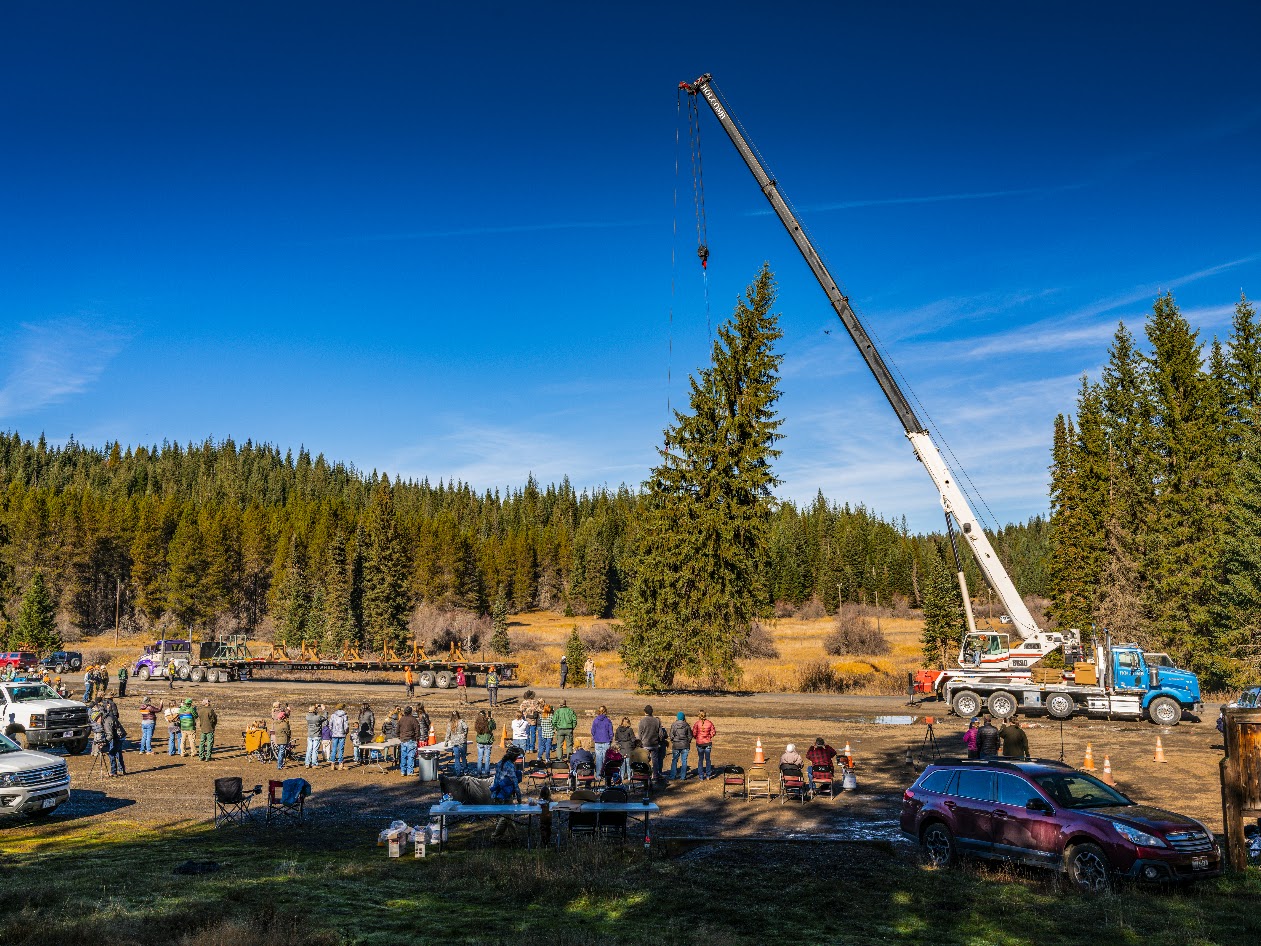
2026 Capitol Christmas Tree Travels 3,000 Miles with Boise Cascade
Boise Cascade Will Haul the 2026 U.S. Capitol Christmas Tree Nearly 3,000 Miles from Idaho to Washington, D.C....