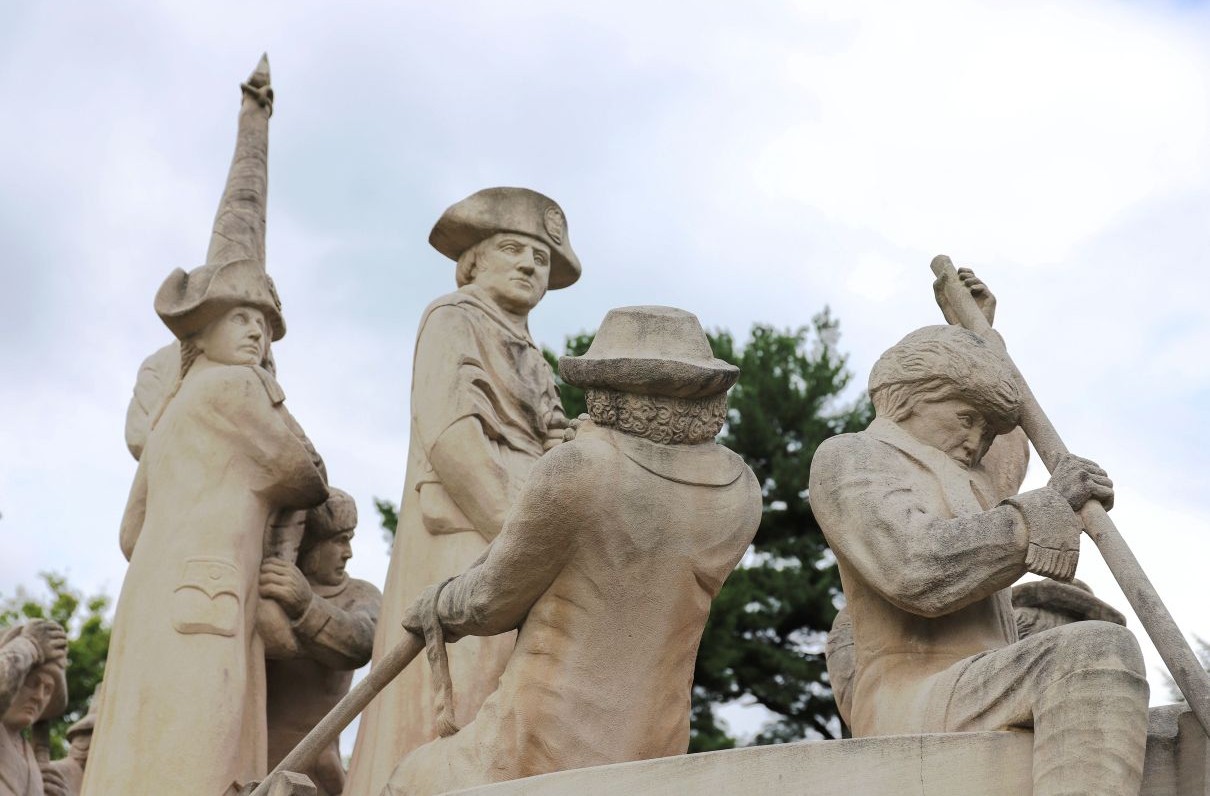
Two hundred fifty years after the Battle of Trenton, a Military Officer magazine analysis details how Gen. George Washington’s winter raid reversed the American Revolution’s collapse.
By December 1776, Washington’s army was unpaid, undersupplied and bleeding men whose enlistments were expiring, MOAA reported. Rather than observe the 18th-century convention of halting winter campaigns, Washington crossed the ice-choked Delaware River on Christmas night with 2,400 soldiers, 18 cannons and horses aboard Durham boats and rafts.
Col. Stephen Harlan, USA (Ret), command historian for the U.S. Army Reserve’s 99th Readiness Division, told MOAA that Washington “fought out of season” to exploit Hessian expectations of a winter lull. A severe snowstorm delayed the crossing and two of three planned columns turned back, yet the remaining force marched 10 miles and struck Trenton around 8 a.m. on Dec. 26, catching Col. Johann Rall’s garrison off guard.
Artillery and musketry overwhelmed repeated Hessian attempts to form a defensive line. Nearly 1,000 Hessians were captured, killed, wounded or missing; Continental casualties were minor. Rall was mortally wounded and lies in an unmarked grave outside Trenton’s First Presbyterian Church.
Sources differ on the fight’s length — some cite 20 minutes, others an hour or more — but the strategic shift was immediate.
“This is a glorious day for our country,” Washington told a nearby officer that afternoon as prisoners and captured supplies moved out of Trenton.
Future president James Monroe, then a lieutenant, suffered a near-fatal wound in the action. A second American victory followed at Assunpink Creek on Jan. 2, 1777.
Worth a look

Seattle Among 20 Proposed U.S. Host Cities for 2031 Women’s World Cup
FIFA awarded the 2031 Women's World Cup to a four-nation bid including the United States, where Seattle is...

Southeastern Louisiana Opens 2026 Cancun Challenge vs. Northern Colorado in First Meeting
Southeastern Louisiana will open the 2026 Cancun Challenge against Northern Colorado on Tuesday at 11:30 a.m. CST at...
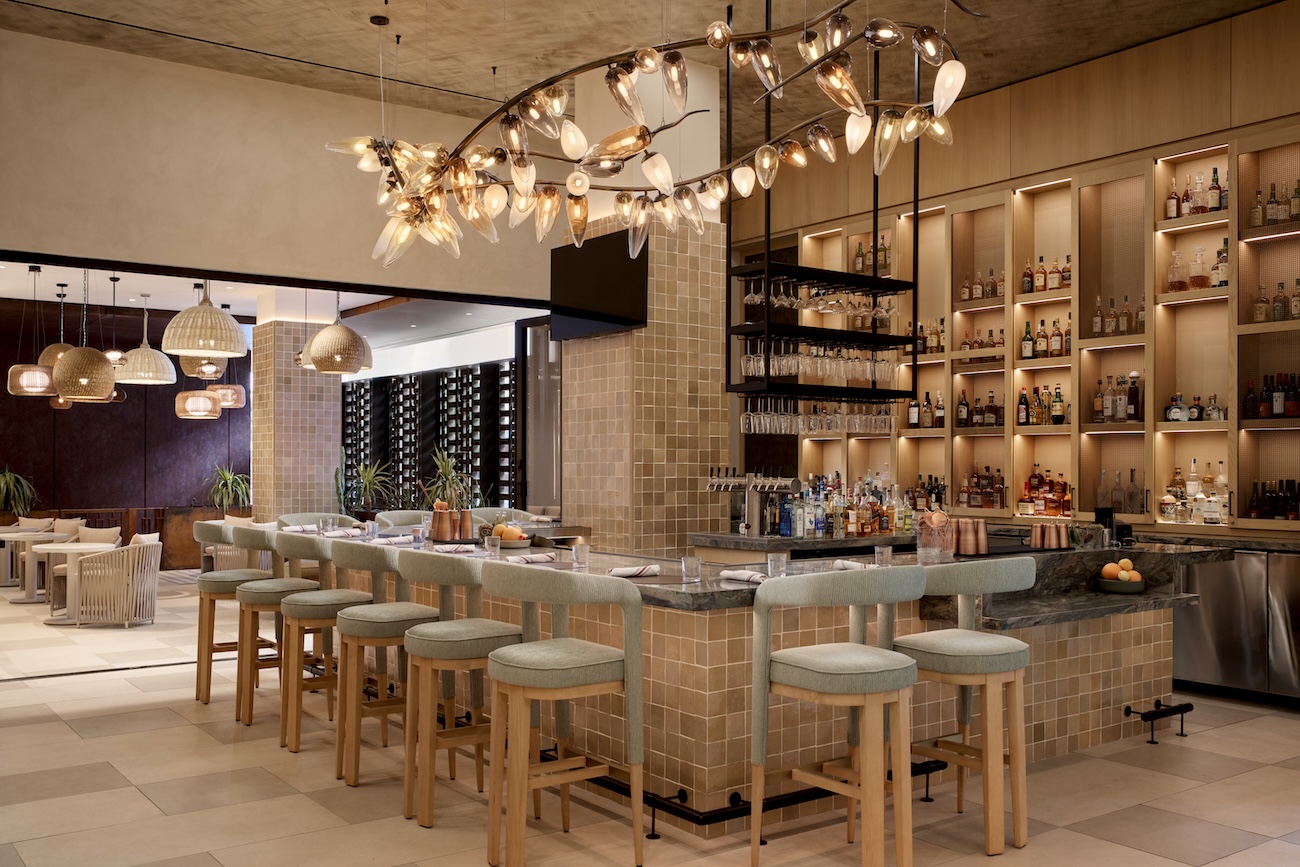
Sartén Kitchen & Bar Opens at New Denū Hotel & Spa in Phoenix
Sartén Kitchen & Bar opened inside the new Denū Hotel & Spa at 1 E. Adams St. in...

Wisconsin Regulators: Peak Power Demand to Jump 40% by 2032, Data Centers Drive 70% of Growth
Wisconsin regulators on Thursday approved a state energy assessment showing peak electricity demand will jump more than 40...