
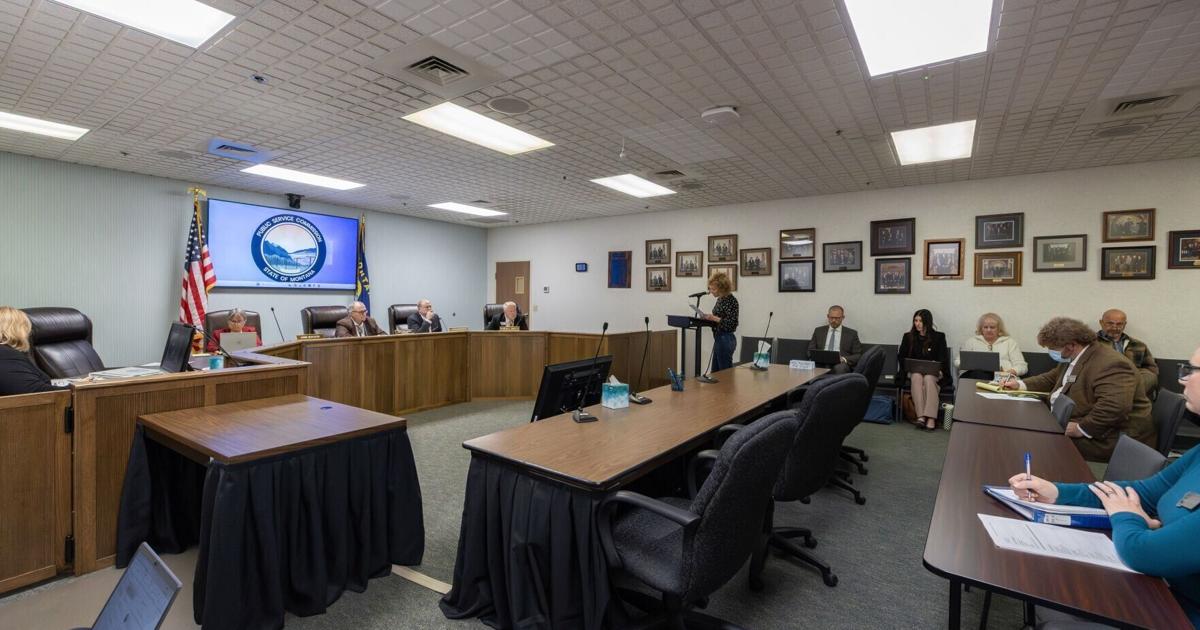
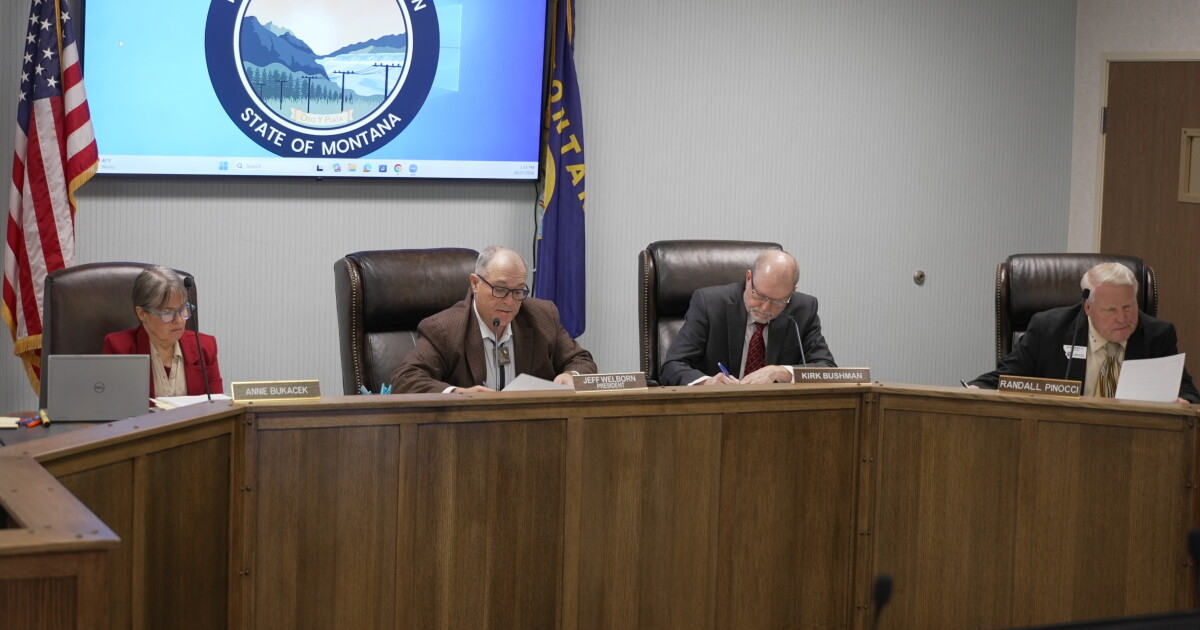
“I think the intent here is just full transparency,” said Montana Public Service Commission Vice President Jennifer Fielder on Tuesday. Those words set the stage for a sudden pause in one of the state’s utility battles, as regulators voted 3-2 to delay a final decision on the proposed merger between NorthWestern Energy and Black Hills Energy until Nov. 10.
The delay isn’t a rejection, but it is a speed bump. The commission is now weighing whether to add a specific condition to the deal regarding NorthWestern’s newly acquired share of the Colstrip power plant.
The Battle Over Data Centers and Rates
While the commission’s staff recommended approval, the public mood in Helena was starkly different. About 25 people provided public comment during the Tuesday session, and every single one of them opposed the merger. The core of their anxiety isn’t about the corporate structure, but about what that structure enables: the expansion of massive, energy-hungry data centers.
Nick Fitzmaurice, an energy transition engineer for the Montana Environmental Information Center, argued that the commission is effectively putting the cart before the horse. He suggested that approving the merger before resolving how data center services will impact existing customer rates is a dangerous sequence of events.
A New Corporate Giant: Bright Horizon Energy
If the deal moves forward, the two companies will operate under a new holding company called Bright Horizon Energy. The headquarters would be located in Rapid City, South Dakota, with NorthWestern CEO Brian Bird taking the helm as CEO of the parent organization. Despite the new umbrella, both NorthWestern and Black Hills would keep their current names for their utility operations.
The scale of the combined entity is substantial. NorthWestern currently serves over 400,000 electric customers and 250,000 natural gas customers in Montana, while also operating in South Dakota and Nebraska. Black Hills Energy brings a larger footprint, serving 1.35 million customers across eight states. According to Pamela Snyder-Varns, a PSC staff attorney, the merger is driven by a simple reality of the modern energy industry: size matters. Larger holding companies generally find it easier to access the financing required for infrastructure projects.
To get the deal this far, the companies had to make several concessions to appease critics. The Montana Consumer Counsel, which represents the interests of the ratepayers, eventually supported the deal after securing a settlement that included:
- A $10 million one-time bill credit for ratepayers.
- “Ring-fencing” protections to prevent NorthWestern’s assets from being used to prop up other affiliated companies.
- Assurances that utility operations would remain managed in-state by Montana staff.
- A commitment to avoid immediate job cuts.
The Colstrip Variable
The specific reason for the two-week delay—the Colstrip power plant—adds a layer of complexity to an already dense deal. Vice President Fielder’s proposal to add a condition regarding NorthWestern’s share of the plant suggests that regulators aren’t yet satisfied with how that asset fits into the merged entity’s long-term plan.
The companies have argued that the merger will make them more resilient, but the opposition views that “resilience” as a euphemism for increased market power. The tension lies in the gap between the PSC staff’s view—that the deal won’t harm ratepayers because merger costs won’t be passed down—and the public’s fear that the long-term operational shifts will inevitably lead to higher bills.
The commission will reconvene on Nov. 10 to decide if the Colstrip condition is necessary or if the merger can proceed as currently structured. Until then, the future of Montana’s largest utility remains in a state of regulatory limbo.
Worth a look
Mayor Duncan Addresses Perez Resignation at First News Conference
Topeka Mayor Spencer Duncan and interim City Manager Michael Webb held their first joint news conference Wednesday morning...
Iowa City School Board to Announce $13 Million Budget Cuts March 9
The Iowa City School Board is preparing to unveil a series of aggressive budget cuts on March 9,...

Indianapolis Motor Speedway opens ticket purchases for 2027 season
Tickets for the 2027 event season at the Indianapolis Motor Speedway are now available for purchase via IMS.com...
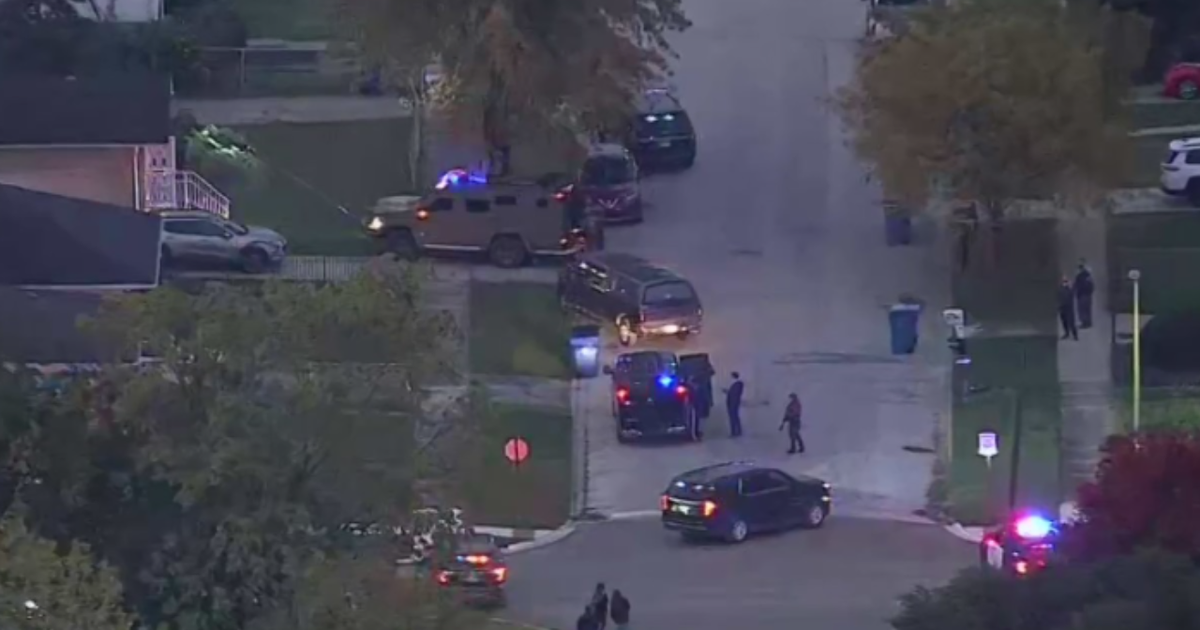
Man Killed in FBI Agent-Involved Shooting in Dixmoor, Illinois
A 22-year-old man was shot and killed by FBI agents during a federal warrant operation in Dixmoor, Illinois,...