
A Purple Tinge on the Big Sky: Montana’s Electoral Shift
The larch trees have turned gold in western Montana, and politically, the state is looking a little more purple. While the nation experienced a significant blue wave in yesterday’s election, Montana saw a complex outcome. The state is sending a democrat to the House for the first time since the 1990s, yet Republicans have maintained control of both legislative chambers, a notable feat in a national Democratic tide.
Seat Flips to Democrat
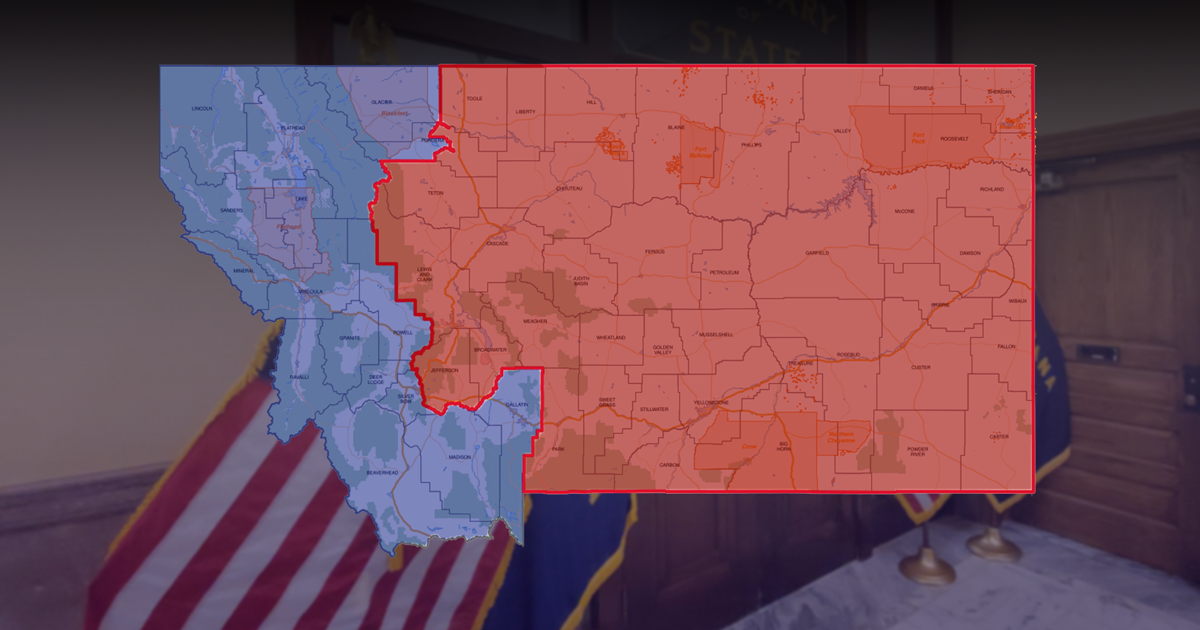
The story of the night in Montana was the victory of Sam Forstag in the Western House District. After two years of republicans taking every statewide seat and ousting an 18-year incumbent Democrat, this win changes control. Forstag’s success was concentrated in the larger urban counties, which propelled him to victory as the results came in late on election night. His win means MT-01 is one of over two dozen U.S. House seats that flipped this year.
The district wasn’t without national attention. President Donald Trump, Vice President JD Vance, and Speaker of the House Mike Johnson all came to campaign for Republicans, showing the high stakes. But even with that support, the district still voted for change.
Montana political reporter Mike Dennison provided context for this shift, noting the state’s political identity is not monolithic. “Oh, absolutely. I mean, you look at the results from the 2024 election between Tim Sheehy and Jon Tester, while she was beating Tester statewide in that district,” he observed. “You know, John Tester beat Tim Sheehy by a couple thousand votes. Montana political reporter Mike Dennison noted, “John Tester beat Tim Sheehy by a couple thousand votes. So we have now Sam Forstag doing the same year in Flint.”
A Legislative Red Wall in a Blue Wave
While Democrats celebrated the House flip, the bigger story for Montana’s state government was the resilience of the Republican legislative majority. Across the nation, Democrats saw decisive victories on the state level, with eight states—including Arizona, Texas, and Michigan—seeing chambers in their legislatures flip to Democratic majorities. Montana, however, bucked this trend.
“Republicans still have pretty good margins. But we have a lot of moderate Republicans still in both houses of the legislature. And I think that come 2027, those Democrats now are going to be easily be able to pair up with enough moderate Republicans to drive certain issues, maybe even choosing who the leaders are,” Dennison explained.
The Republican success is attributed, at least in part, to an unlikely ally: a Democratic-backed redistricting map. State Sen. Greg Hertz, R-Polson, who chairs the state’s Republican Legislative Campaign Committee, pointed out the irony of the situation. “Montana Republicans outperformed their counterparts in many other states, retaining control of both legislative chambers despite a national Democratic wave,” he stated. “Ironically, the Democratic-backed 2023 legislative redistricting map helped preserve Republican majorities. By creating relatively few competitive districts, the map insulated Republicans from significant losses even in a strong Democratic election year. The results demonstrate the unintended consequences of partisan redistricting.”
“Montana Republicans outperformed their counterparts in many other states, retaining control of both legislative chambers despite a national Democratic wave. Ironically, the Democratic-backed 2023 legislative redistricting map helped preserve Republican majorities.”
This outcome highlights a critical tension in American democracy: the power of map-drawing versus the power of the electorate. While voters sent a clear message by electing a democrat to the House, the existing legislative map ensured that the state’s internal power structure remained firmly in Republican hands.
What Comes Next in Helena
With the election decided, attention now shifts to the upcoming legislative session. The immediate question is leadership. Who will lead the next Montana Legislative session? That question won’t be answered until Wednesday, when caucusing kicks off, and then it’s on to the legislative session in January.
The real test of this new political dynamic will be in the policy fights that define the 2027 session. With a moderate Republican bloc and a strengthened Democratic minority, the potential for bipartisan collaboration—or intense gridlock—is significant. The issues that emerge will likely test the limits of this new, more purple Montana, showing whether the state can bridge its urban-rural divide or if it will deepen into a more politically fractured state.
The larches are golden, the election is over, but the real work of governing is about to begin. The voters have sent a mixed message, and it’s now up to the leaders in Helena to interpret it.
Worth a look

NOAA: El Niño and tides drive record water levels in California
Coastal communities in California experienced the impact of this year’s intense El Niño last week, as elevated water...

Denver attorney Stephen Kaplan, who helped build DIA, dies at 79
A Denver Lawyer Who Built More Than Buildings Dies at 79 Stephen Kaplan, the Denver city attorney who...

Freedom Truck Mobile Museum Arrives in Carrabelle for Three-Day Residency
As the United States approaches its 250th anniversary, a mobile history initiative is making its way across the...

CT WFP flips six Republican seats, wins three from Democrats
Connecticut's Working Families Party Flips Six Republican Seats, Reshapes State Legislature Connecticut's political position just changed. The Connecticut...