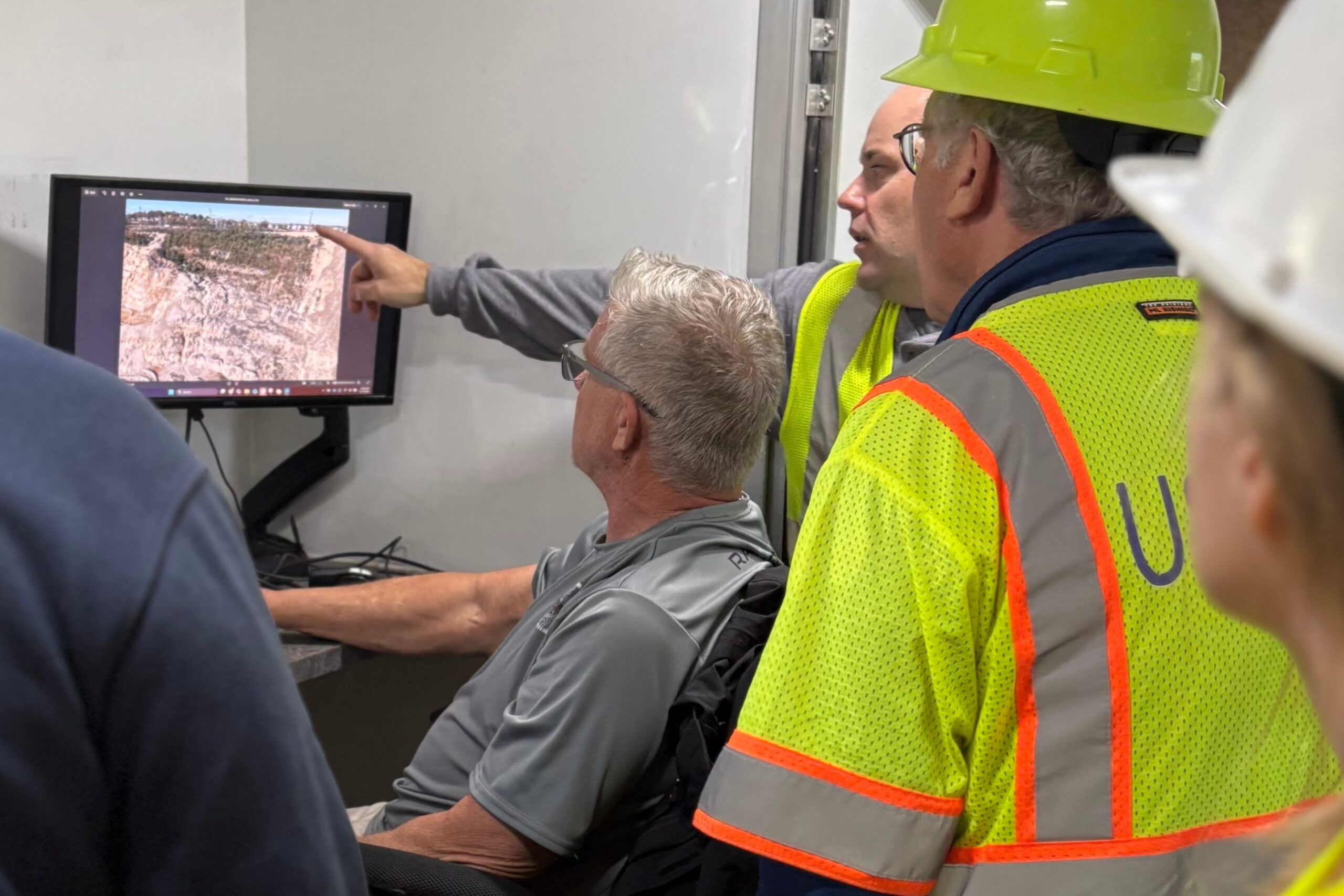
Crews monitor air quality at work zone and perimeter locations during ongoing response operations following a petroleum spill from the Twin Oaks Pipeline.
The 14-inch-wide pipeline, originally constructed in 1956, carries refined products like jet fuel over 100 miles from southeastern Delaware County to Newark, New Jersey. The infrastructure was struck during excavation work for a transmission tower, sparking a fierce debate between utility management and labor representatives over excavation safety protocols and oversight.
Under PA One Call regulations, which are designed to prevent such infrastructure accidents, excavators must dial 811 before breaking ground, and pipeline operators are required to clearly mark their underground lines. The state mandates that workers maintain an 18-inch clearance on either side of a marked line.
Yet, union leadership argues that regulatory compliance alone is falling short due to corporate pressures. Larry Anastasi, business manager for IBEW Local 614, criticized PECO for providing what he described as vague work guidance with minimal supervision.
“We don’t bake cupcakes. If you make a mistake here, it’s catastrophic,” Anastasi told WHYY, faulting upper-level management decisions driven by profit margins and operational speed.
Anastasi clarified that he does not blame the individual workers from CJ Drilling, an Illinois-based contractor hired by PECO to construct the transmission tower near the pipeline. Instead, he pointed to systemic industry pressures where external contractors face intense time crunches and financial stakes that dwarf those of local crews.
PECO firmly rejected those claims in a public statement. The utility stated that it strongly disagrees with any suggestion that schedules or costs are ever prioritized over safety, maintaining that the workforce composition did not cause the strike and resulting spill.
“The contractor was selected for the specialized expertise required to perform this work, expertise that PECO does not maintain internally,” the utility stated, as reported by WHYY. “What is important now is establishing the facts. PECO will fully support the investigation and conduct a thorough review of the incident.”
As Unified Command response teams continue monitoring air quality at the work zone and perimeter locations, questions remain regarding how the strike occurred despite existing damage prevention regulations. Regulators and investigators have yet to release a final determination on the exact sequence of events leading up to the puncture.

Rick Warters Argues Connecticut’s Blue Mandate Distorts Representation
In a letter to the editor published by the Hartford Courant, Simsbury resident Rick Warters argues that Connecticut's...

Wilmington to Honor Road Traffic Victims This Sunday
People killed and seriously injured on North Carolina roadways will be honored at a Wilmington gathering scheduled for...

Arkansas Voters Prioritize Economy, Healthcare, and AI Regulation
The midterm election last week handed Democrats historic wins across the country along with moderate gains in Arkansas'...
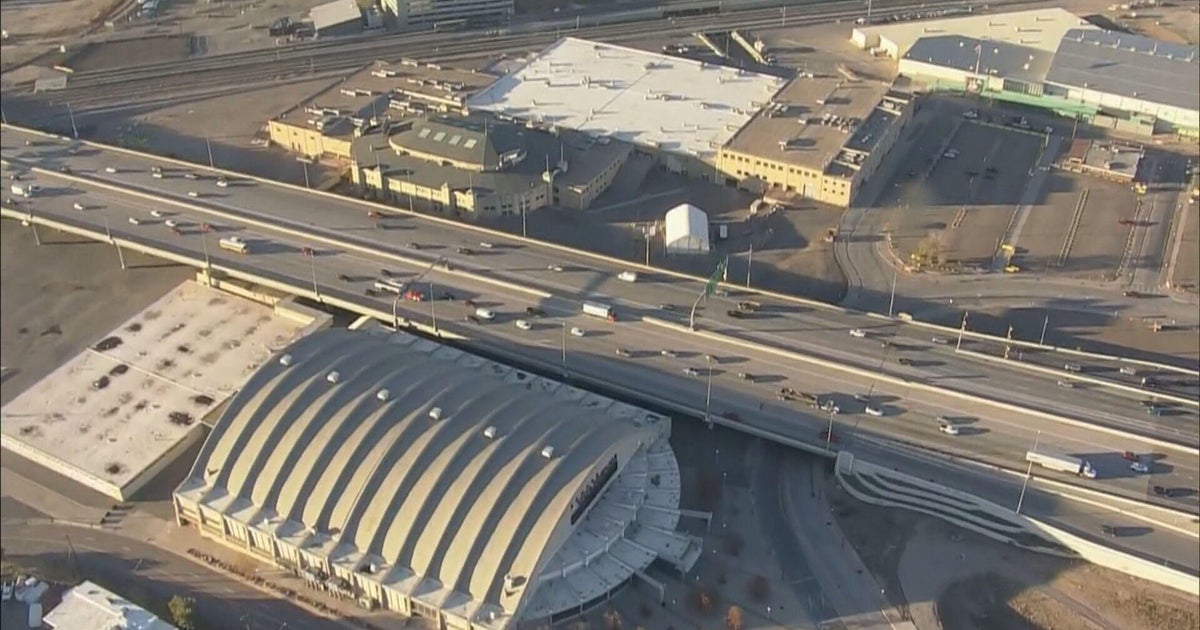
Plans to Replace the Denver Coliseum Resurface, Community Members Fight to Keep It Where It’s
Plans to replace the Denver Coliseum have resurfaced as part of a broader master plan for the National...