
The High Cost of Exporting Montgomery County’s Trash
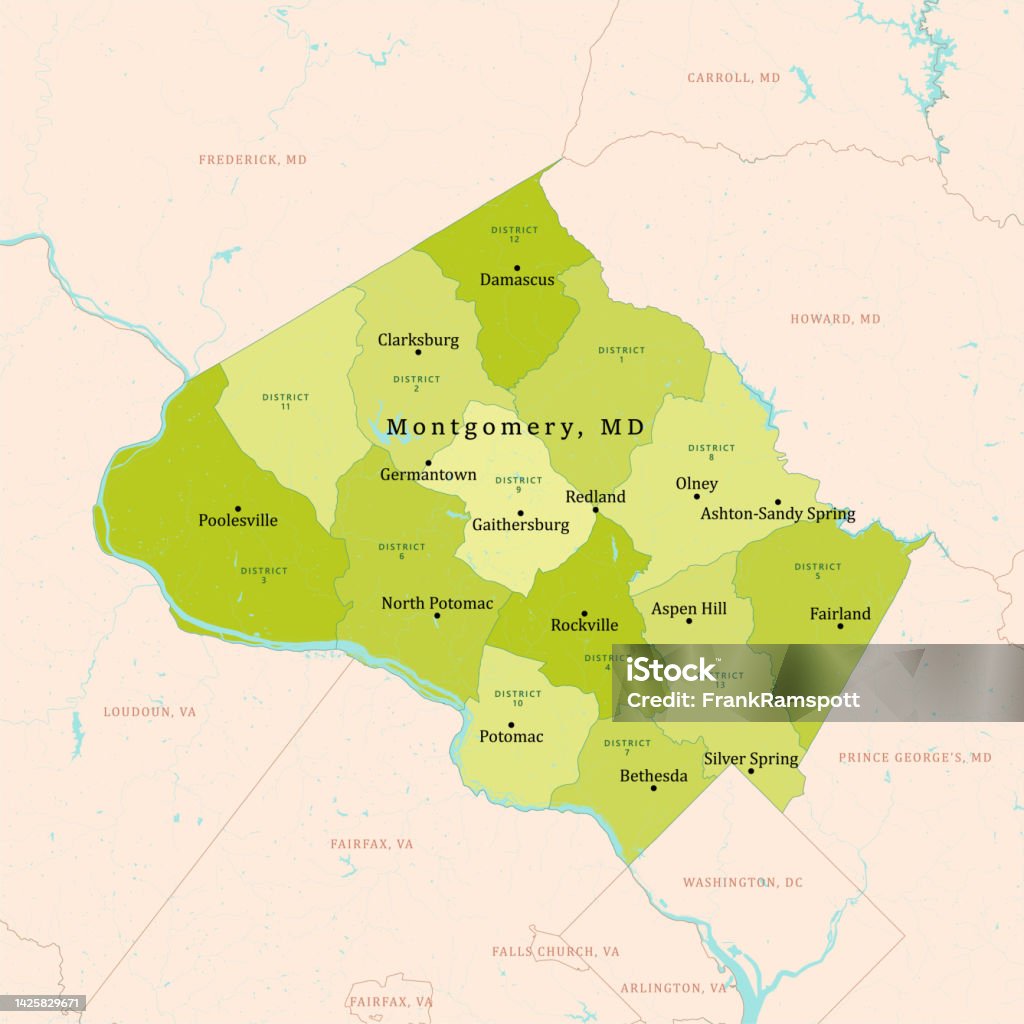
Montgomery County stands at a fiscal and environmental crossroads. County Council members are preparing to vote on a proposal from County Executive Marc Elrich that would shutter the county’s Resource Recovery Facility (RRF), effectively shifting the burden of 600,000 tons of waste annually to out-of-state landfills. As reported by Maryland Matters, this pivot away from waste-to-energy processing toward long-haul landfilling challenges the very environmental goals the county has long championed.
The stakes are not merely administrative. Moving from a local recovery model to a landfill-dependent one risks reversing years of progress in greenhouse gas reduction. According to the county’s own greenhouse gas inventory, landfilling local waste generates nearly double the emissions per ton compared to the RRF. This is a disparity echoed across the region; Fairfax County, Virginia, determined through its own internal analysis that landfilling its refuse would produce six times more greenhouse gases than utilizing its existing RRF infrastructure.
Critics Challenge Exporting Waste to Distant Landfills
The U.S. EPA’s waste management hierarchy, alongside similar frameworks within the European Union, consistently ranks landfilling as the least desirable outcome. Critics of the proposed closure—a coalition including Nature Forward, the League of Women Voters of Montgomery County, and the City of Gaithersburg—argue that exporting waste to Pennsylvania or Virginia is a step backward. They point to the reality that landfill gas collection systems are frequently inefficient, often failing to capture the full spectrum of methane and toxic pollutants that escape into the atmosphere.
Beyond the atmospheric impact, there is the matter of environmental justice. The RRF is currently situated in a more affluent area of the county, while the landfills under consideration for the county’s waste are located near vulnerable, low-income, and minority populations. Exporting trash to these sites effectively shifts the burden of pollution to communities that have historically borne the brunt of industrial waste management.
Arlington County and the City of Alexandria in Virginia say their RRF is the “most environmentally sustainable means of disposing of waste … after reduction, reuse and recycling.”
The financial argument for landfilling is fraught with uncertainty. While updating the aging RRF requires significant upfront investment, the current facility offers predictable costs partially offset by the sale of electricity and recycled metals. In contrast, landfilling exposes the county to the volatility of rising transportation costs, inflation, and the long-term liability of environmental remediation. One Virginia landfill previously considered for such waste has already shuttered and filed for bankruptcy, leaving behind a $173 million cleanup bill that the county would have no authority to manage.

Addressing the Risks of Modern Waste Management
Concerns regarding the RRF’s air emissions have been cited by proponents of the closure, yet the data suggests these incidents are manageable. In 2025, when the facility exceeded allowable air emission limits, the issues were publicly disclosed and promptly resolved. County analysis determined that these exceedances posed very low health risks, remaining 20 to 300 times below target health thresholds. Current research provides a compelling reason to keep the facility operational: the potential for RRFs to effectively destroy PFAS, the persistent "forever chemicals" that are notoriously difficult to eliminate in standard landfills.
The logistical reality of transporting 600,000 tons of trash annually also introduces a localized public health concern. Increased heavy-duty trucking brings a rise in carcinogenic diesel exhaust. A 2025 study noted that the Derwood trash transfer station is already experiencing elevated levels of diesel fumes, a situation that would only be exacerbated by the constant movement of waste to distant states.
Finding a Sustainable Path Forward
The county executive has suggested an “advanced waste processing” facility as an alternative, but this plan remains theoretical. No facility of this nature currently exists at the scale required for Montgomery County’s waste stream, and details regarding its cost, feasibility, and location are nonexistent. The proximity principle, favored by waste management experts in Japan and the European Union, dictates that waste should be handled as close to its point of origin as possible to ensure accountability and minimize the carbon footprint of transport.
Montgomery County has a choice to make. It can choose to upgrade its current RRF, seek more responsible ash treatment options, and intensify its commitment to waste reduction and recycling. Or, it can choose to export its environmental footprint to neighboring states, trading local control and accountability for the unpredictable costs and heightened ecological risks of distant landfills. The decision will define the county’s environmental legacy for years to come.
Worth a look

Epsom Man Arrested After Months-Long Search Following Fire Report
Dana Hathaway was arrested Thursday night in Epsom, New Hampshire, following a monthslong search, according to local police....
222 Electoral Votes Held by National Popular Vote Interstate Compact
States Pledge Electoral Votes to Popular Vote Winner Americans heading to the ballot box often discover that winning...

Nebraska Republicans Lose Supermajority in Unicameral Elections
Midterm Flips Break Republican Grip Legislative districts 12 and 18 in the Omaha area flipped from registered Republicans...

Bellingham Native Ryan Terpsma Killed in the Line of Duty on 28th Birthday
The flags across Montana are flying at half-staff this week following a violent sequence of events in Eureka...