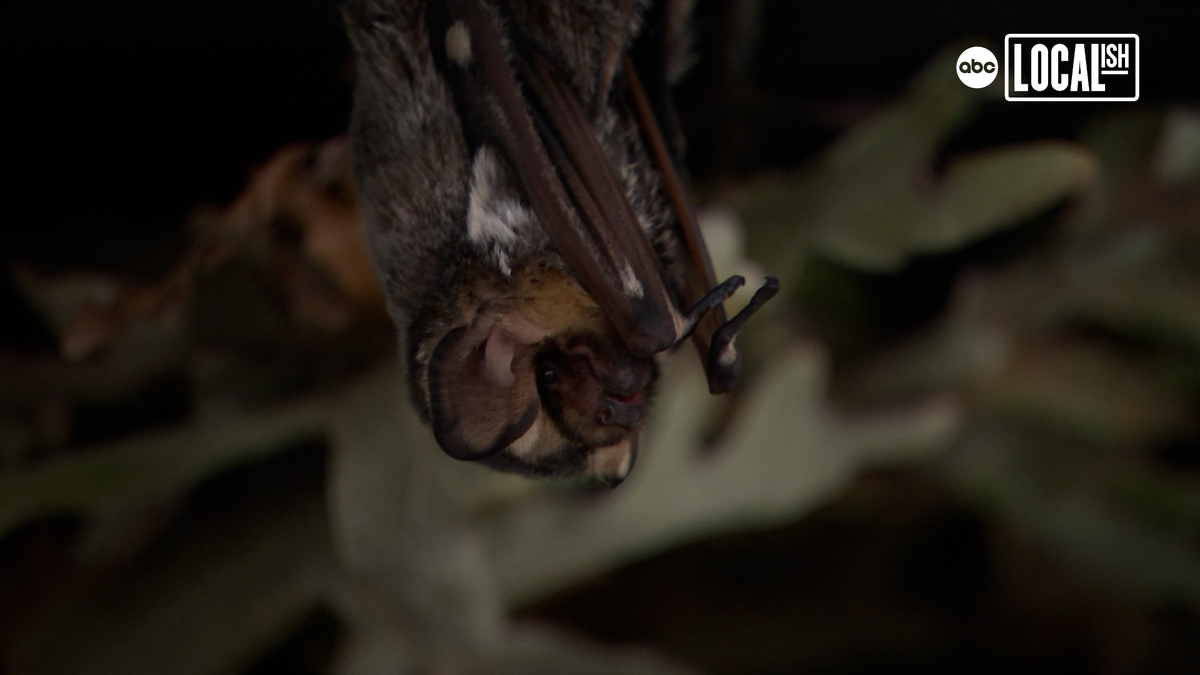
More than 400 bats a year pass through the Pennsylvania Bat Conservation and Rehabilitation Center in Mertztown, where a mother-daughter team runs one of the state’s few facilities combining rescue with university-partnered research.
Founded in 2012, expanded through research partnerships
Steph Stronsick founded the center in 2012 and serves as its president, ABC7 New York reported. Her mother, Debra Boyer, manages the clinic as a volunteer.
What distinguishes the operation, Stronsick said, is its research arm: “What sets us apart is we also do a lot of ethical research, so we partner with state agencies and institutions, like the University of Penn, Penn State, Rutgers, and some other institutions as well, to kind of understand the environmental impacts to these animals,” she told 6abc.
Stronsick said bats are dubbed “sky puppies” at the center. “They’re a really unique species, and they’re in severe decline,” she said.
Injuries driven by glass collisions and trauma
The caseload reflects modern hazards. “A lot of these bats, they either have problems with their wings, broken wings, or head trauma,” Boyer said. Stronsick described one hoary bat in the ICU: “And so you can see her head bobbing around, that’s head trauma. That’s permanent neurological damage.”
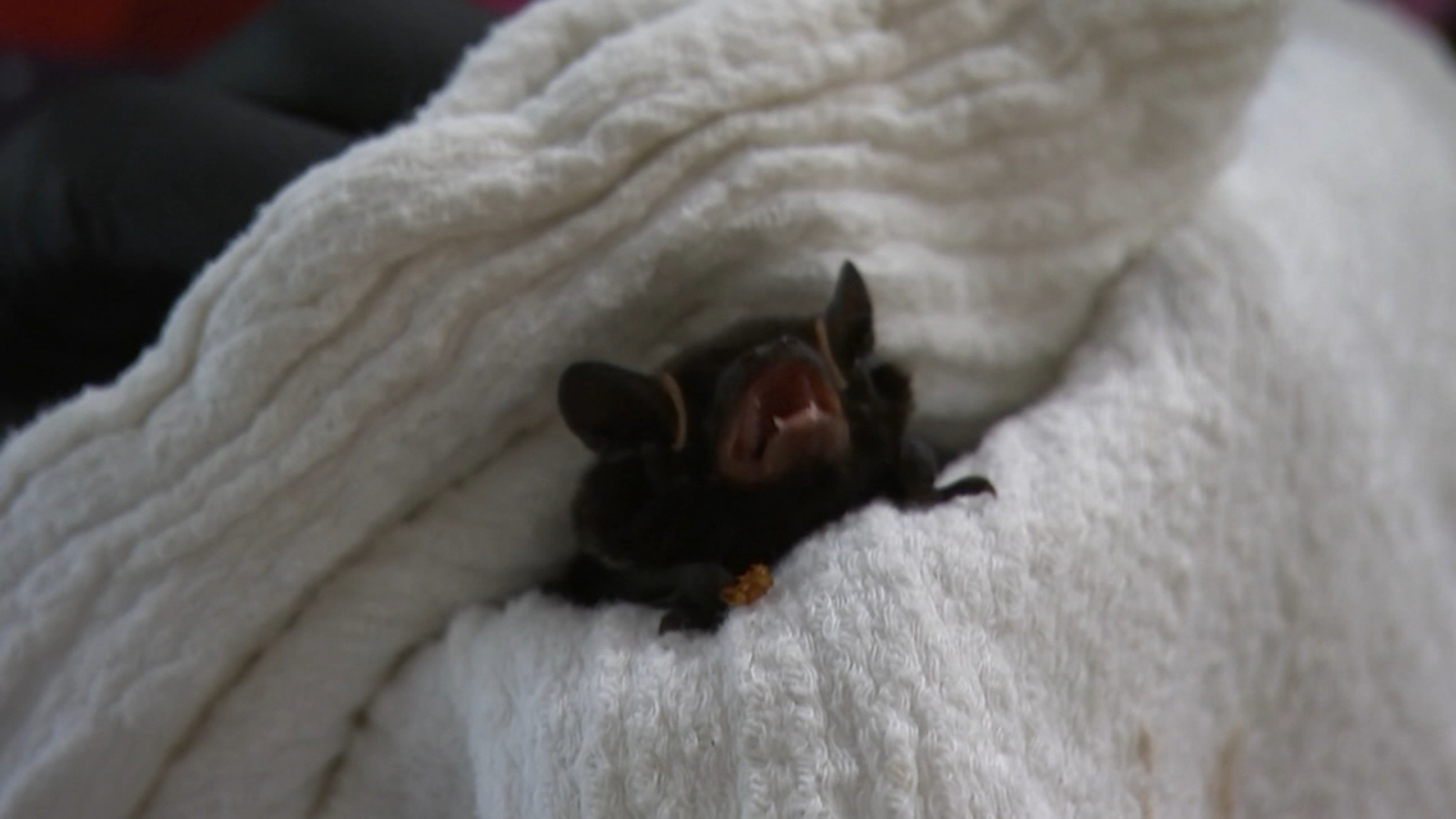
A silver-haired bat admitted after striking a glass building illustrated the collision risk, 6abc reported. “This is a silver hair,” Boyer said. “Flew into one of the buildings that have a lot of glass.” Boyer helps feed the bats. “They eat mealworms,” she said.
Sanctuary colony and release protocol
The center also houses a permanent sanctuary of 21 Egyptian fruit bats — “a cauldron of bats,” Stronsick called them — which are retired from other settings and used for education. “They’re very social and intelligent,” she said.
But the default goal remains release: “We always say they’re better off out in the wild. They are incredibly beneficial for the environment. A lot of the species, like hoary bats and big browns, are huge agricultural pest consumers and forest pest consumers.”
Volunteer origins and daily routines
Boyer began volunteering more than a decade ago after watching her daughter’s work and deciding she liked doing it, she told WPVI. She now serves as clinic manager and prepares habitats for incoming bats, according to the same report. Boyer said the animals sleep most of the day and that she cares for many species, including eastern red bats.
Stronsick described the fruit bats as very social and intelligent, calling the group of 21 Egyptian fruit bats a “cauldron of bats,” WPVI reported. The center feeds those bats about 50 pounds of fruit and vegetables each week, with red grapes and bananas among the favorites, the station added.
Rehabilitation outcomes and public reporting
Boyer recently released an eastern red bat back to the wild and called the work very rewarding, saying there is nothing else she would rather do, WPVI reported.
Both women emphasize that bats are not scary but misunderstood, Stronsick told ABC7 and Boyer told WPVI. Stronsick said the species are in severe decline and are incredibly beneficial as agricultural and forest pest consumers, ABC7 reported.
Public perception and how to help
Both women reject the fearful reputation bats carry. “They’re really not that scary,” Boyer said. “They’re just misunderstood.” The center is not open to visitors, but the public can report injured bats at 484-908-0231 and follow the center’s social media for updates.
The fruit bats alone consume about 50 pounds of fruit and vegetables weekly, with red grapes and bananas among the favorites, 6abc reported. Boyer said the bats sleep most of the day. She also said that she takes care of many species, including eastern red bats.
Worth a look

Kentucky Committees Weigh Resilience Office, Election Security, Certificate-of-Need Changes
Kentucky lawmakers are weighing a statewide resilience office, election security upgrades, and changes to certificate-of-need rules after interim...

Brandon Opens First Roundabout; Federal ARPA Funds Helped Finance It
Brandon opened its first roundabout Tuesday at the intersection of West Holly Boulevard and South River Park Avenue,...

No. 3 Florida Survives Scare vs. Milwaukee; Golden Demands Better Effort
No. 3 Florida survived a 76-67 scare against Horizon League opponent Milwaukee on Tuesday night at the O'Dome,...

Topeka Thanksgiving Openings: Dillons Until 3 p.m., Blue Moose Buffet, Free Community Meal, Restaurant & Fast-Food Hours
All Topeka Dillons locations will welcome customers until 3 p.m. on Thanksgiving, though their pharmacies will remain shut....