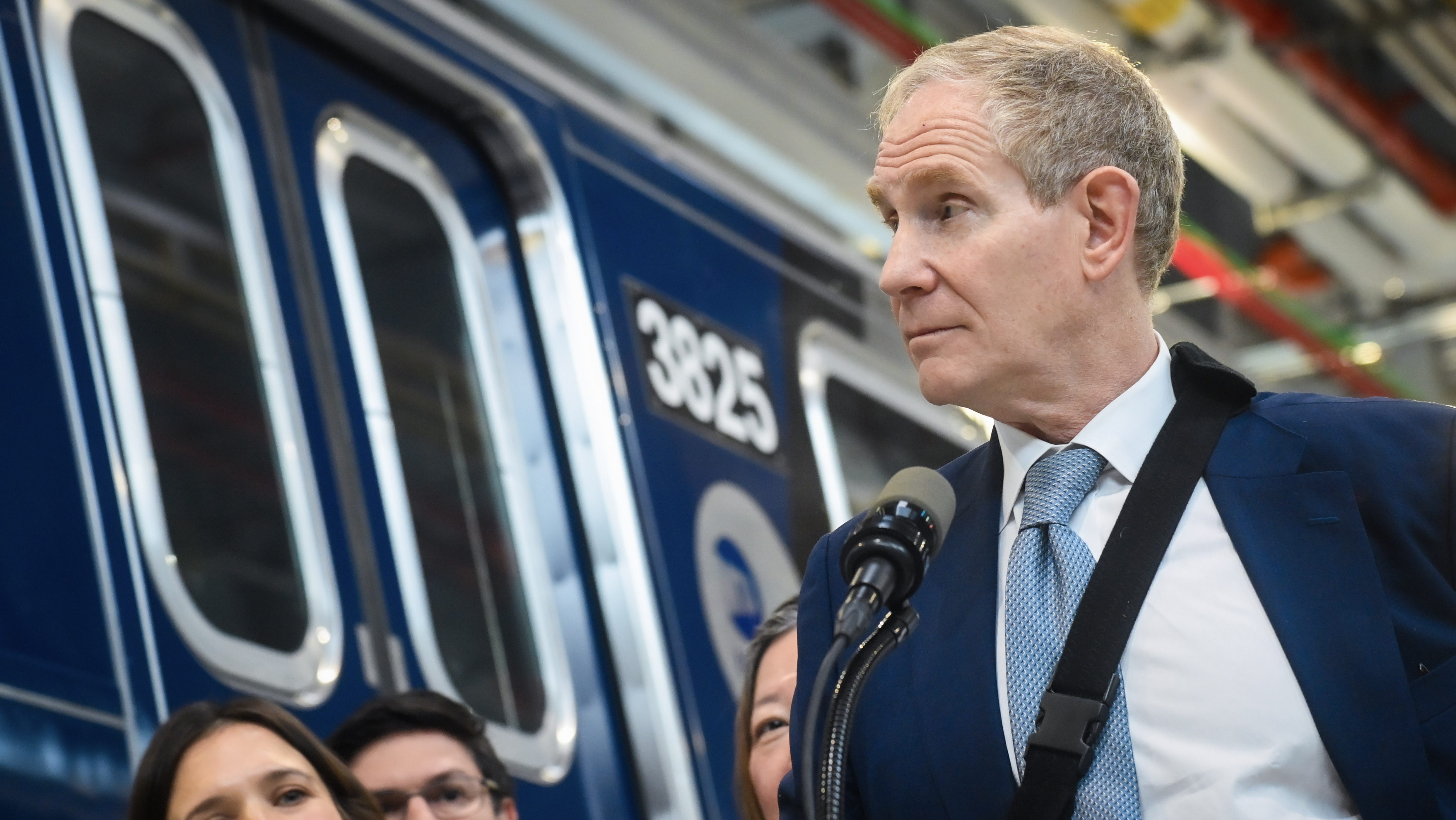
The MTA’s Post-Election Wishlist for Congress
Following the results of Tuesday’s national election, which handed Democrats a firm House majority and a comfortable cushion in the Senate, the Metropolitan Transportation Authority is moving quickly to secure its fiscal future. In a new policy brief, agency leaders have outlined a series of requests for the incoming Congress, aiming to lock in funding streams and blunt the impact of rising operational costs.
Amazing: NYC bozo uses forged placard to park illegally. Gets a parking ticket. Submits a photo of the forged placard to the city to try to beat the ticket, gets arrested. pic.twitter.com/G8GB4TKZ0D
According to Streetsblog New York City, the MTA’s primary concern is the upcoming reauthorization of the federal surface transportation bill. The agency is lobbying to ensure that a Biden-era funding mechanism remains intact; its potential removal would strip $265 million from the MTA’s budget next year alone. For an agency constantly balancing the high cost of aging infrastructure with the necessity of maintaining service, that loss would be significant.
The agency is also taking aim at the financial burden of federal tariffs. While the “Buy America” mandate requires at least 70 percent of components in new buses and trains to be manufactured domestically to qualify for federal subsidies, the MTA reports that tariffs on the remaining specialized parts—which often cannot be sourced within the U.S.—are unnecessarily inflating project budgets. The MTA is asking Congress for an explicit exemption for rolling stock purchases that otherwise meet the 70 percent threshold.
Security funding has emerged as another point of contention. The Transit Security Grant Program has seen a sharp decline in federal support, dropping from $350 million in 2009 to just $88 million this year. The MTA’s specific allocation from this pool fell to $33 million in the most recent round of appropriations, a figure the agency had to fight for in court during the previous administration. Transit leaders are now pushing for a restoration of these grants to bolster safety across the system.
Beyond immediate funding, the MTA is seeking to curb the ability of the executive branch to alter grant allocations by fiat. Specifically, the agency wants to block a proposed federal rule that would prioritize transit infrastructure funding based on local marriage and birth rates, rather than actual ridership data. As the agency stated in its memo, “voters have made themselves clear: they’re fed up with the federal government’s assault on cities,” and they are looking for federal policy to align more closely with the realities of mass transit demand.
Daily Transit Disruptions and Enforcement
While the MTA navigates the halls of Washington, the daily reality on New York City streets remains chaotic. Enforcement efforts continue to produce headlines for the wrong reasons. An ex-FBI agent was arrested following a February incident on Ocean Parkway, where he allegedly struck a pedestrian with a government vehicle and was seen dragging the victim’s body out of the roadway before departing the scene, as reported by the New York Times and Gothamist.
Meanwhile, the city’s approach to street vendors continues to draw scrutiny. Despite public-facing commitments from the Mayor’s office to support small-scale entrepreneurs, data indicates that the NYPD is issuing a higher volume of tickets to street vendors this year compared to previous periods. In Brooklyn, the city has officially broken ground on new bus lanes along DeKalb and Lafayette avenues, a move intended to prioritize public transit flow in a notoriously congested corridor.
Across the river, Jersey City is seeing its own shift in traffic management. Under Mayor James Solomon, the volume of traffic tickets issued has doubled, a trend that highlights the ongoing tension between municipal revenue generation and shifting traffic enforcement priorities. Not every attempt to navigate these rules ends well for the motorist; in a widely circulated incident from November 5, a driver was arrested after submitting a photo of a forged parking placard to city officials in a failed attempt to contest a ticket.
As the city moves toward the end of the year, these various fronts—from federal legislative battles to the granular enforcement of placard laws—illustrate the complex, often contradictory pressures on urban mobility. The MTA’s ability to secure its requested funding in the new Congress will likely dictate the scale of future projects, while local enforcement trends continue to shape the daily experience of New York’s streetscape.
Related reading

Keys Weekly Celebrates Teacher and Coach Helena Bursa
Helena Bursa Reflects on 28 Years of Teaching and Community in the Keys For nearly three decades, Helena...

Scott Colom appears poised to unseat Cindy Hyde-Smith in MS Senate race
Mississippi Senate Race Remains Uncalled as Ballots Continue to Tally As of Wednesday afternoon, the U.S. Senate race...

Iron Mountain Blue Spruce Selected as Michigan State Christmas Tree
The Riccio Family Spruce Heads to the Capitol A 64-foot blue spruce that has watched over an Iron...

Flood Watch Issued for Southeastern Massachusetts Amid Heavy Rain
Southeastern Massachusetts Braces for Heavy Rain and Potential Flooding A flood watch is in effect for parts of...