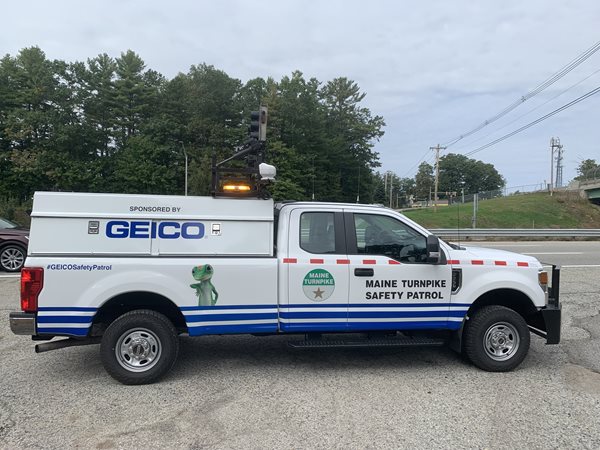
With Thanksgiving travel starting this week, the Maine Turnpike Authority is urging drivers to check tires, fuel levels and emergency kits before heading onto the highway.
During Thanksgiving week 2025, MTA responded to 73 disabled vehicle incidents, maineturnpike.com reported. Flat tires accounted for 22 of those calls and 15 involved drivers who ran out of fuel, meaning more than half were tied to issues the agency says are largely preventable.
“Approximately half of the disabled vehicle incidents MTA responded to last Thanksgiving week involved flat tires or drivers running out of fuel,” said Andre Briere, MTA executive director. “Those are issues that can often be prevented with a few minutes of preparation before leaving home.”
The authority also logged 26 reports of roadway debris, including tires, ladders and lumber. Deer-related crashes made up nearly one-quarter of all reported collisions during the period, a risk highest during early morning and evening hours.
MTA recommends filling the tank before departure, checking tire pressure and tread, topping off windshield washer fluid and confirming wipers work. Drivers should keep the Traffic Management and Communications Center number #999 handy; the center operates 24 hours a day, 365 days a year. A winter kit with water, snacks and a blanket is also advised.
If a vehicle becomes disabled, MTA says to move it as far onto the wide shoulder as possible, activate hazard lights and stay alert while waiting for help. The authority’s Safety Patrol, sponsored by GEICO, now covers nearly 60 miles between Kittery and Gray and provides free roadside assistance for flat tires, dead batteries, fuel delivery and relocating disabled vehicles to safer spots. Drivers can reach the patrol by dialing #999.
“We recognize that many families are watching every dollar they spend,” Briere said. “If someone finds themselves unexpectedly out of fuel on our road, or experiences car troubles, we want them to know there is a resource available to help get them safely to the next service area or another safe location. No one should feel they have to take unnecessary risks on the side of the highway.”
UNO Students Steps From Aksarben Village Dining, Events, Trails and History
University of Nebraska at Omaha students live steps from Aksarben Village, a mixed-use district on the Scott Campus...

Best’s 29 Not Enough as ECU Falls to Indiana State in OT at Paradise Jam
Trevor Best poured in a career-high 29 points, yet East Carolina still dropped a 77-76 overtime decision to...
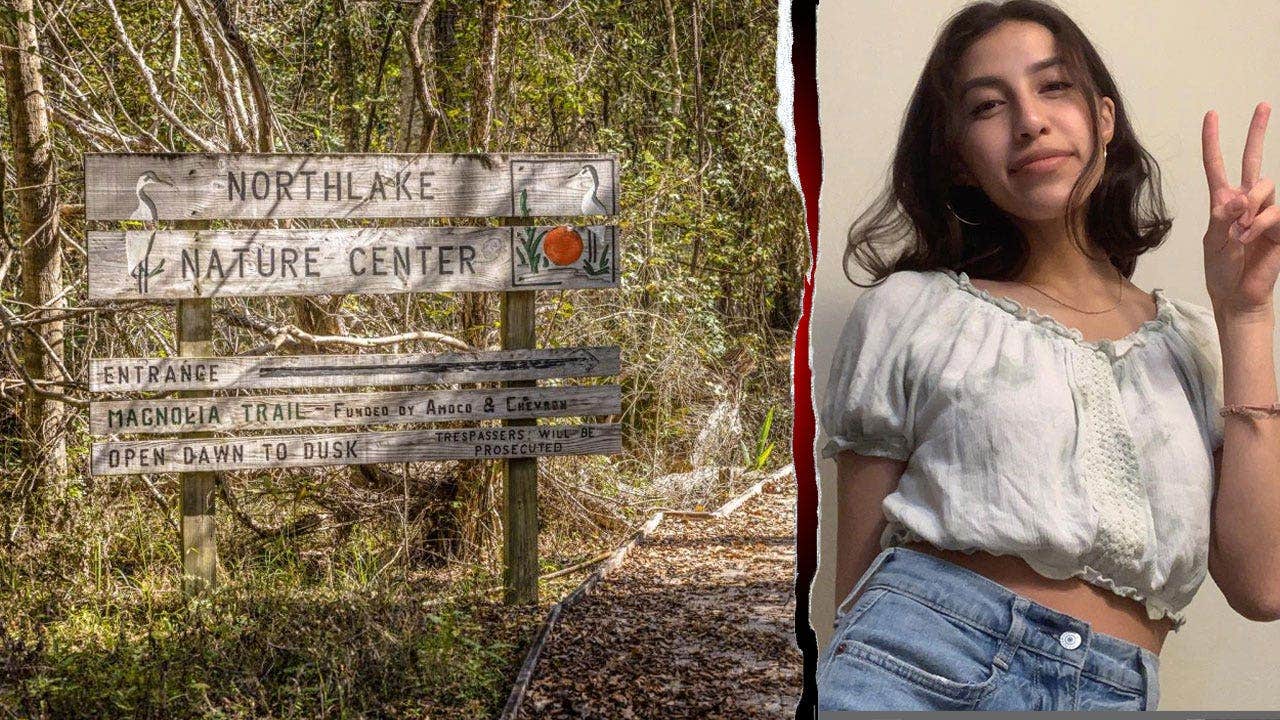
Louisiana Man Charged in Nature Trail Strangulation, Crossbow Killing of Coworker Days Later
A nature trail walk ended in strangulation on Nov. 11; two days later a construction worker died from...

2026 Maui Invitational Opens Monday at Lahaina Civic Center With Arizona, BYU in Eight-Team Field
The 2026 Maui Invitational opens Monday at Lahaina Civic Center in Hawaii, running through Wednesday with eight teams...