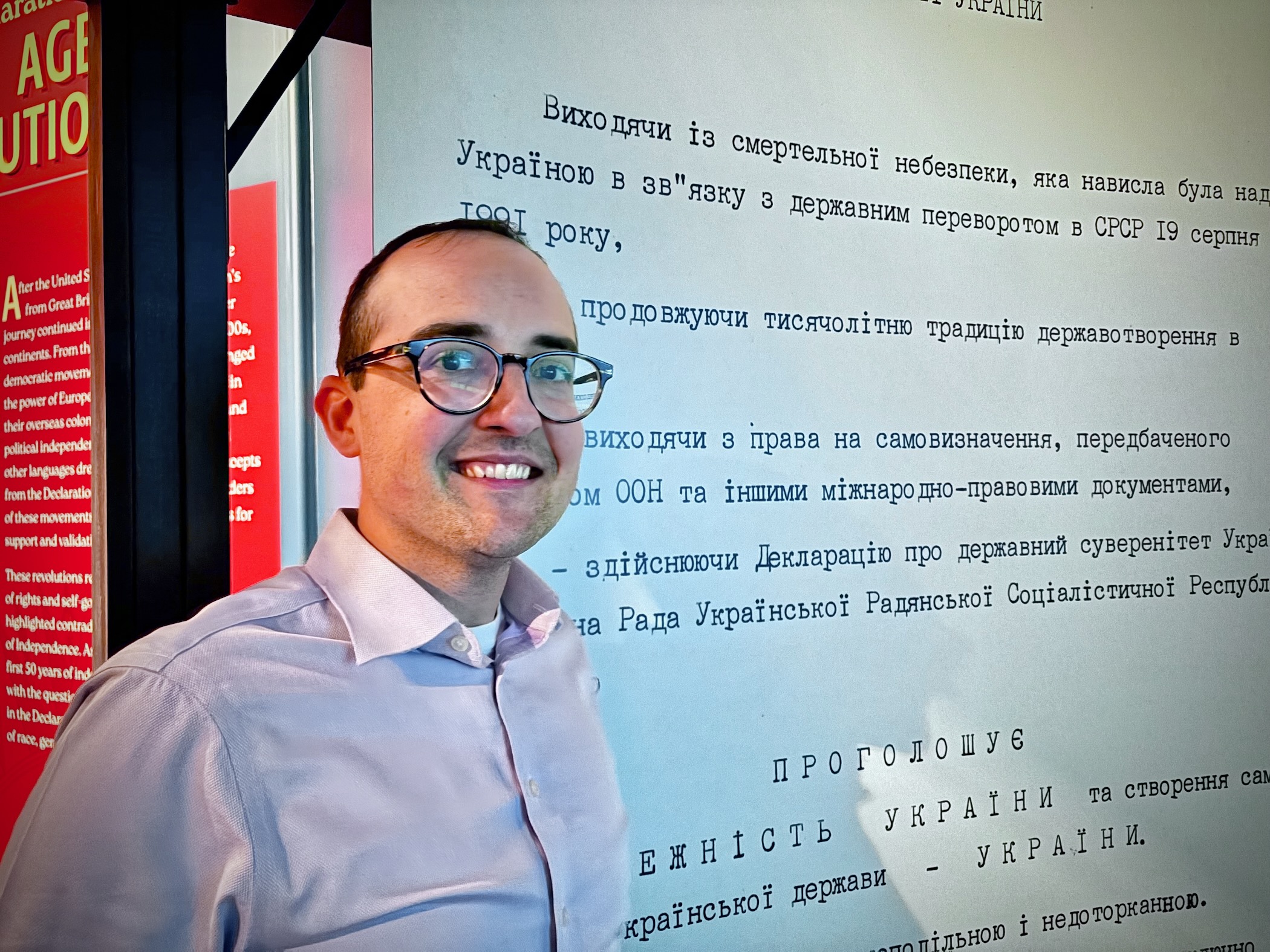
A New Voice at the Museum of the American Revolution
For visitors walking through the “The Declaration’s Journey” exhibition in Philadelphia this month, the story of 1776 now speaks in a seventh language: Ukrainian. As of November 2026, the Museum of the American Revolution has integrated Ukrainian-language audio guides into the exhibit, a move that highlights the museum’s effort to connect its narrative of independence with a global audience.
I’m a Ukrainian American and I’m a Communist. And thousands of haters here trying to prove me that it’s not possible. pic.twitter.com/1VsSVfnsEA
The addition, while localized to this specific exhibition, represents a broader cultural initiative spearheaded by Ukraine’s First Lady, Olena Zelenska. Since launching her project in 2019, Zelenska has worked to install Ukrainian-language guides in over 135 museums across 59 countries, including major institutions like the Metropolitan Museum of Art in New York and the Palace of Versailles. The Philadelphia museum is now the fifth institution in the United States to join this growing network, as reported by VOA News.
Connecting Local Heritage to Global Narratives
The decision to adopt the Ukrainian guide is deeply personal for the museum’s staff. Matthew Skic, the director of collections and exhibitions, noted that he grew up hearing Ukrainian spoken in his own home and maintains close ties to his heritage. With Philadelphia serving as home to the second-largest population of people with Ukrainian roots in the United States—trailing only New York City—the museum views this as a practical step toward accessibility. According to U.S. Census data, the region holds roughly 11,000 Ukrainian immigrants and about 50,000 residents of Ukrainian descent.
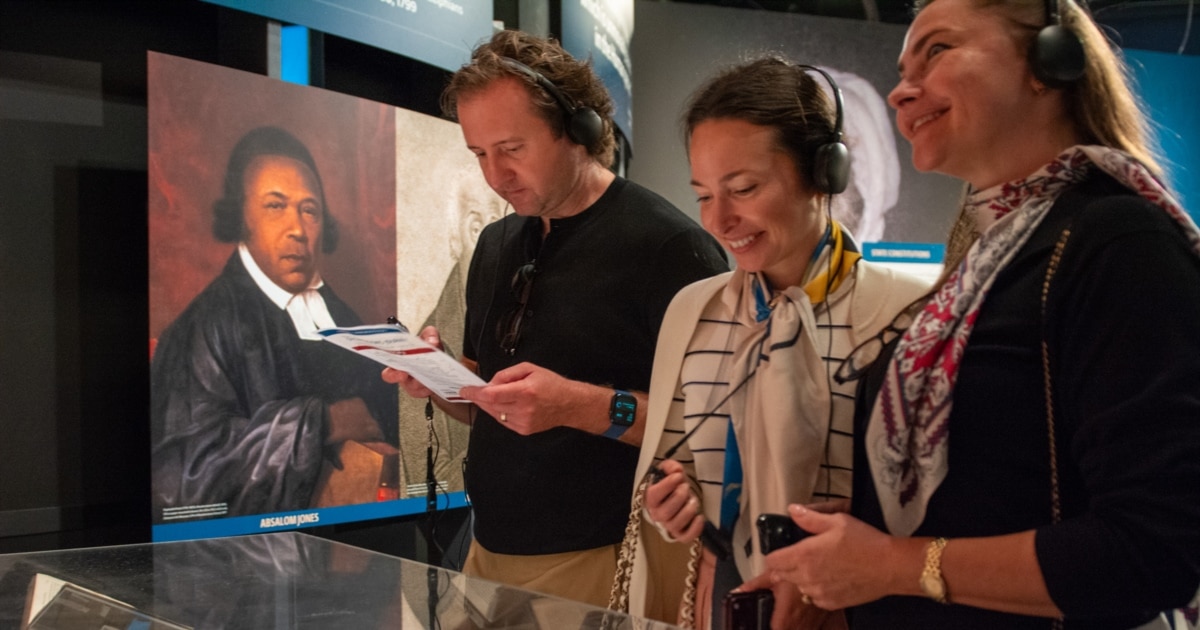
“There’s a decent size Ukrainian American population and recent immigrants from Ukraine here in the Philadelphia region,” Skic told WHYY. “It’s a great way to expand the accessibility of this exhibit.”

The exhibition itself, which opened in October 2025, examines the global reach of the American Declaration of Independence. It features documents from various nations, including Ukraine’s own Declaration of Independence, displayed alongside the American original. For Tyler Putman, the museum’s senior manager of gallery interpretation, the goal is to help visitors understand how independence movements across time and geography inform one another.
During the official presentation on October 22, Denys Sienik, Ukraine’s chargé d’affaires in the United States, emphasized the symbolic weight of the language. “The Ukrainian language is an essential part of our national identity and a powerful expression of our resilience, dignity, and freedom,” Sienik stated. “For centuries, Russia has sought to suppress our language and erase our cultural identity.”
The Limits of the New Addition
While the Ukrainian audio tour marks a milestone for the museum, it is currently exclusive to “The Declaration’s Journey” exhibition. The museum’s core permanent exhibition remains available in English, Spanish, and French. This distinction highlights the targeted nature of the current rollout, which relies on the specific content of the temporary exhibit to provide a bridge between the American experience and the contemporary Ukrainian perspective.
The initiative has drawn support from local leaders, including Iryna Mazur, the honorary consul of Ukraine in Philadelphia and president of the Ukrainian Federation of America, who played a role in bringing the guide to the city. As the museum enters the final two months of the exhibition, the addition stands as a unique point of convergence: a 250-year-old American story now being told through the lens of a modern-day struggle for sovereignty.
Whether this inclusion encourages other Philadelphia-area cultural institutions to follow suit remains an open question. For now, the Museum of the American Revolution stands alone in the region as the sole participant in Zelenska’s global museum program. As the exhibition nears its close, the museum’s administrators are left to evaluate how these linguistic additions influence visitor engagement—and whether the demand for such resources will shape the institution’s permanent offerings in the years to come.

Jim Georgeson Dies After Three-Car Crash on SD Highway 44
Fatal Three-Vehicle Crash Near Lennox Claims Life of 86-Year-Old Authorities in Turner County have confirmed the names of...

Protesters Demand Transparency From Rhode Island Energy Over High Fees
“Deciding, I feed my family or I pay the electric bill.” That is the choice facing many Rhode...

Kelson Gebbers Scores 29 in TMU Overtime Loss to Southern Oregon
The Master's University Falls in Overtime to Southern Oregon The Master’s University men’s basketball team dropped a difficult...

How Florida Can Beat Oklahoma and Secure Bowl Eligibility
Florida’s Offensive Stagnation Leads to 23-7 Loss Against Oklahoma The promise of a mid-season turnaround for the Florida...