“ASEAN has never exerted political pressure on or subjected any other member state to indignity, but we see it doing so to Myanmar,” Min Aung Hlaing told more than 540 lawmakers, military representatives and government officials in Naypyitaw on Wednesday.
His government will review its future relationship with the bloc, he said, after ASEAN leaders meeting in Manila on Sunday extended the ban on Myanmar’s top leaders from summit meetings.
The review marks a sharp escalation in a standoff that has defined Southeast Asian diplomacy since the military seized power from the elected government of Aung San Suu Kyi in 2021. ASEAN’s 11 members adopted a Five-Point Consensus two months later demanding an immediate end to violence, inclusive dialogue, humanitarian access and mediation by a special envoy. Five years on, the bloc says none of those conditions have been met.
Manila summit hardens the line
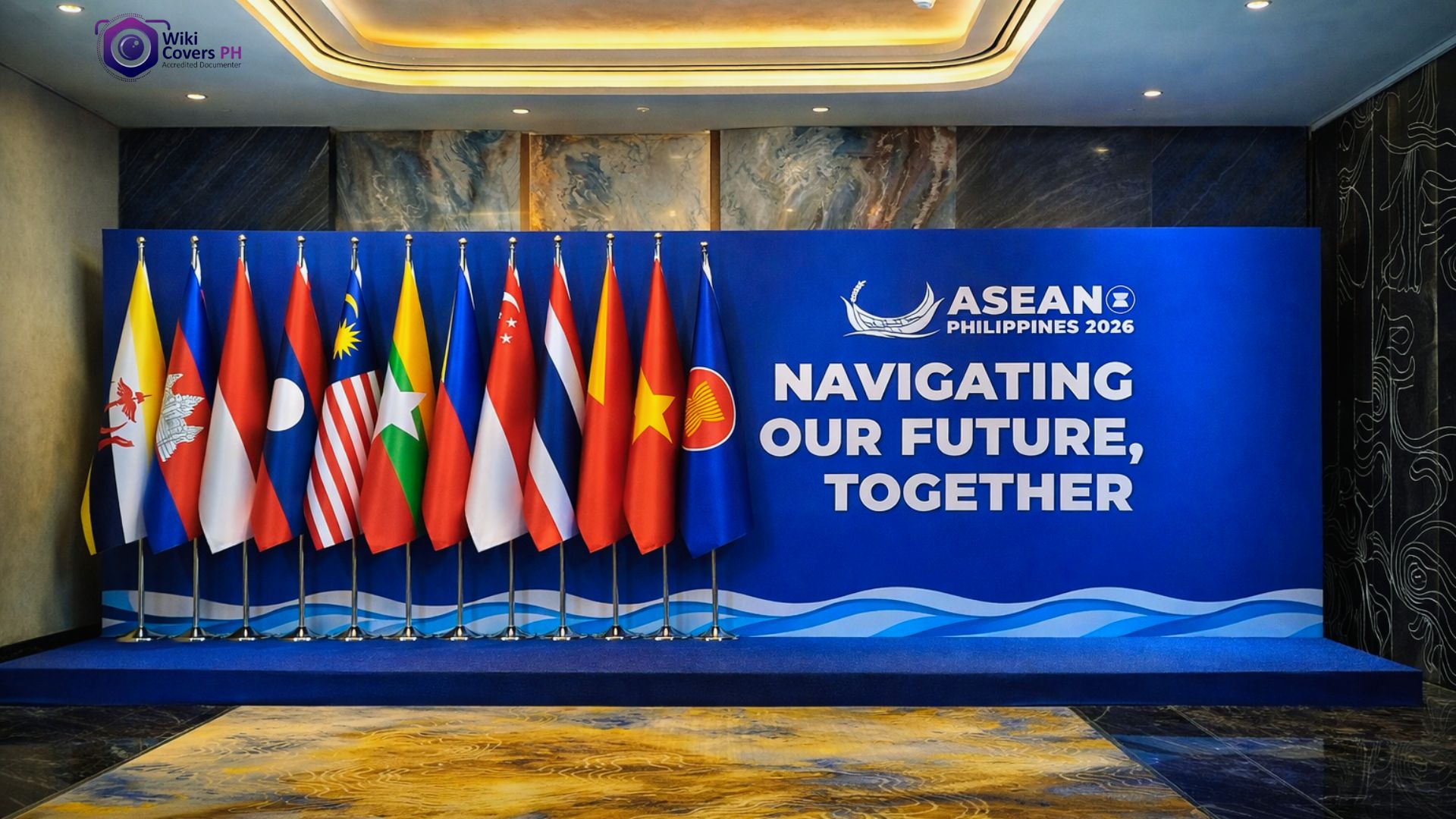
ASEAN leaders said Sunday they would continue limiting Myanmar to nonpolitical representation at summits and foreign ministers’ meetings, citing “insufficient progress” on the peace plan, according to JURIST.
The joint statement condemned attacks on civilians and public facilities and called for a sustained nationwide ceasefire to allow aid delivery and talks among Myanmar’s political and armed groups. It also noted “limited progress” in delivering assistance through ASEAN’s humanitarian coordination center.
ASEAN’s strength lies in our unity. Even when we have different views, we keep talking, keep cooperating, and keep finding common ground. At the ASEAN Foreign Ministers’ Meeting (AMM) in Manila (14/11), I reaffirmed Indonesia’s commitment to keeping ASEAN at the heart of our… pic.twitter.com/PEJy9gK63k
The bloc did leave a door ajar: “Subject to sustained and concrete progress in the implementation of the 5PC by Myanmar, ASEAN may consider the gradual restoration of Myanmar’s full political representation,” the leaders’ review stated, per the Jakarta Globe.
Philippine President Ferdinand “Bongbong” Marcos Jr. opened the session by insisting “Myanmar is part of our ASEAN family,” while Philippine Foreign Secretary Theresa Lazaro, the current special envoy, told reporters in Manila that the bloc would monitor developments “step-by-step.”
Naypyitaw rejects the consensus
Min Aung Hlaing dismissed the Manila statement as “unreasonable” and said it reflected only the “personal positions of some of the bloc’s leaders rather than a broader consensus.” He argued that other ASEAN members had experienced coups and electoral disputes since the bloc’s founding in 1967 without facing comparable pressure.
Min Aung Hlaing was sworn in as president in April following an election that critics dismissed as a sham designed to consolidate the military’s grip on power while ostensibly restoring civilian rule, AP News reported.

Despite the rupture, Min Aung Hlaing said Myanmar would continue bilateral discussions with individual ASEAN states. He has visited five members — Thailand, Malaysia, Vietnam — since taking office, seeking political legitimacy. Thailand has been the most vocal advocate of “calibrated re-engagement,” with Anutin Charnvirakul hosting Min Aung Hlaing in August, the Jakarta Globe noted. Sugiono flew to Myanmar in June to press for inclusive dialogue.
Human cost and competing tallies
The Assistance Association for Political Prisoners, an independent monitoring group, counted more than 8,600 people killed and 32,406 arrested by security forces as of Friday, according to the Big Rapids Pioneer. The military is locked in conflict against an array of armed groups in Myanmar.
Myanmar was due to hold ASEAN’s rotating chair this year; the role passed to the Philippines because of the civil strife. The bloc’s next test comes in February, when Min Aung Hlaing has promised a domestic peace conference during his government’s five-year term.
Secretary-General of ASEAN, Dr. Kao Kim Hourn, today highlighted the key outcomes of the 49th ASEAN Summit and Related Summits, held in Manila, the Philippines, on 15-17 November 2026, at the ASEAN Headquarters/ASEAN Secretariat. The briefing was delivered to the Jakarta-based… pic.twitter.com/olXQRAEzFI
A productive day at the ASEAN Summit in Manila! Good to catch up with fellow Leaders on digital connectivity, cross-border payments, energy security and AI. We also discussed regional challenges, including Myanmar and transboundary haze. pic.twitter.com/8uEdg6JPcX
Keep reading

Xi Opens APEC in Shenzhen With Call to Remove Trade Barriers
On Wednesday in Shenzhen, Chinese President Xi Jinping opened the Asia-Pacific Economic Cooperation summit with a direct call...

Albanese Defends APEC Putin Photo Plan, Urges Ukraine Peace on Kyiv’s Terms
Prime Minister Anthony Albanese arrived in Shenzhen on Tuesday afternoon ahead of the Asia-Pacific Economic Cooperation summit, where...

Aid Denials to Children in War Zones Surge Sixteen-Fold in a Decade, Save the Children Analysis Shows
Deliberate denials of humanitarian aid to children in war zones have surged sixteen-fold in a decade, climbing from...

Putin Says EU Losing Industrial Capacity at APEC CEO Summit Ahead of Trilateral With Xi, Trump
"The EU is now losing its industrial capacity and it's losing in the competition," Russian President Vladimir Putin...