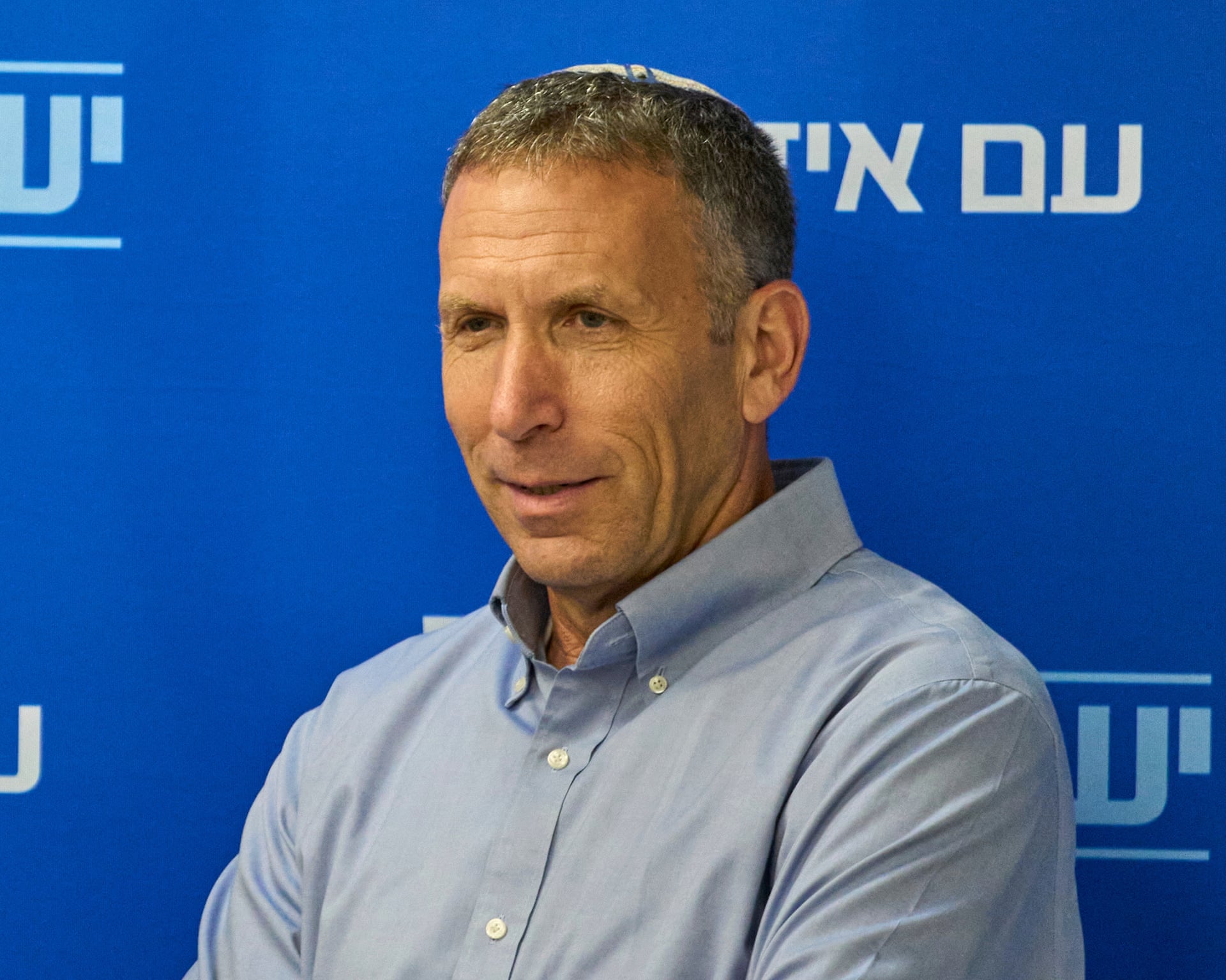
Israel’s parliament elected Matan Kahana of the Yashar party as Knesset speaker on Tuesday in a 66-52 vote that hands the opposition bloc control of the legislative agenda while coalition talks remain deadlocked.
The vote took place weeks after the October 27 election stripped Prime Minister Benjamin Netanyahu of his parliamentary majority. His Likud-led bloc holds 53 seats; the opposition alliance led by Gadi Eisenkot commands 48, and its majority depends entirely on the 19 seats held by the Arab-led Ra’am and Joint List parties.
Kahana replaces Amir Ohana, a Netanyahu ally who had held the post since 2022. The outcome followed a six-hour filibuster by Likud lawmakers seeking to delay the vote. Likud nominated Ofir Katz, its coalition whip, as a rival candidate; Katz received 52 votes, with Likud’s Nir Barkat absent.
Matan Kahana of Gadi Eisenkot’s Yashar party was elected Speaker of Israel’s Knesset with 66 votes, defeating Likud’s Ofir Katz. He replaces Likud’s Amir Ohana. Kahana, a former fighter pilot and religious services minister, had rejected a Netanyahu camp offer of support… pic.twitter.com/NMJflxD0hc
“There are no first-class and second-class citizens in the State of Israel, and there are no first-class and second-class voters in the Knesset,” Eisenkot told his faction before the vote, defending the opposition’s reliance on Arab-party support. “I have no doubt that even Likud and Religious Zionism voters will be proud of the appointment of someone like Matan Kahana.”
Kahana Strikes Conciliatory Tone; Arab Parties Prove Decisive
In his first remarks as speaker, Kahana struck a conciliatory note. “The Knesset of Israel is the home of all the citizens of the state of Israel, and I intend to be the speaker of everyone,” he said. “It is possible to be divided and hold opposing positions, yet still respect the institutions of the state and, above all, respect those who think differently.”

The Arab parties’ backing proved decisive. Ra’am and the Joint List together hold 19 seats; one Ra’am lawmaker, Yasser Hujirat, was absent. Without them, Eisenkot’s bloc would have fallen short of a majority.
Likud’s Katz attempted to neutralize that dynamic before the vote, appealing to Arab parties “in the strongest possible terms not to vote for me.” United Torah Judaism, which had been seen as a possible abstainer, ultimately backed Katz after Likud pressed the Haredi party into a political bind.
Matan Kahana of Gadi Eisenkot’s Yashar party has been elected speaker of the Israeli Knesset, replacing Likud’s Amir Ohana and securing another key parliamentary position for the bloc seeking to replace Prime Minister Benjamin Netanyahu, according to Ynet. Kahana won the vote… pic.twitter.com/rxSIyDVAcr
Opposition Pledges Judicial Repeal and October 7 Inquiry
Eisenkot's bloc has pledged to use its new parliamentary influence to advance two signature measures: rolling back the judicial overhaul laws passed by Netanyahu's outgoing coalition, and establishing a state commission of inquiry into the security failures surrounding the Hamas-led October 7, 2023 attack. Netanyahu has resisted an independent probe, proposing instead a politician-led investigation.
As part of a deal to end the filibuster and hold the vote Tuesday night, the opposition agreed to pause the repeal bills until Monday. The Knesset also elected nine deputy speakers by a 38-15 margin, including Walid Taha of Ra’am and Ahmad Tibi of the Joint List.

Netanyahu Bloc Decries ‘Eternal Disgrace’; Coalition Clock Ticking
Eisenkot has up to five more weeks to form a government. His path is complicated by Avigdor Liberman’s refusal to rely on Arab parties for a coalition, and by former prime minister Naftali Bennett’s reported preference for a unity government with Likud — an option Netanyahu has conditioned on remaining prime minister, which Eisenkot has rejected.
Kahana, 54, Enters Speaker’s Chair From Yashar
Kahana, 54, was born in Haifa and spent part of his childhood in New York. He entered the Knesset in 2019 on a right-wing ticket, served as religious services minister from 2021 to 2022, then joined Benny Gantz’s Blue and White before leaving with Eisenkot in 2025 to form Yashar. He ranked fifth on the Yashar list in the 2026 election.
Matan Kahana elected Knesset speaker, replacing Netanyahu ally as Eisenkot bloc takes control Yashar! lawmaker defeats Likud candidate Ofir Katz with support from Eisenkot's bloc and Arab parties, replacing Amir Ohana; parliamentar…https://t.co/tN4Op2cyBu pic.twitter.com/VqVmqSsbN5
The speaker’s gavel passed from Ohana to Kahana after a smiling transition in the plenum, drawing lengthy applause from opposition benches and jeers from the Netanyahu bloc. “The Knesset will return to being the house of the people, of all the people,” Eisenkot declared afterward. “A new chapter has opened for the Knesset.”
Related reading

Trump Arrives as ASEAN Summit Ends, Holds Quad Talks, Nears Thailand Deal
President Donald Trump arrived in Manila on Tuesday for the 49th ASEAN summit, landing as the closing ceremony...
Trump Backs Return of Ex-Nvidia Boss as Bring Jensen Back Campaign Launches
President Donald Trump backed a campaign to reinstate Jensen Huang as Nvidia CEO on Monday, even as the...

Wife of Assassinated ex-Haitian Leader Registers for Presidential Election
Martine Moise, the widow of assassinated former Haitian president Jovenel Moise, has registered as a candidate for next...
OIF Summit in Phnom Penh Faces DRC Threat to ‘Leave’ the Group
The Organisation internationale de la Francophonie (OIF) opened its three-day summit in Phnom Penh on Saturday.