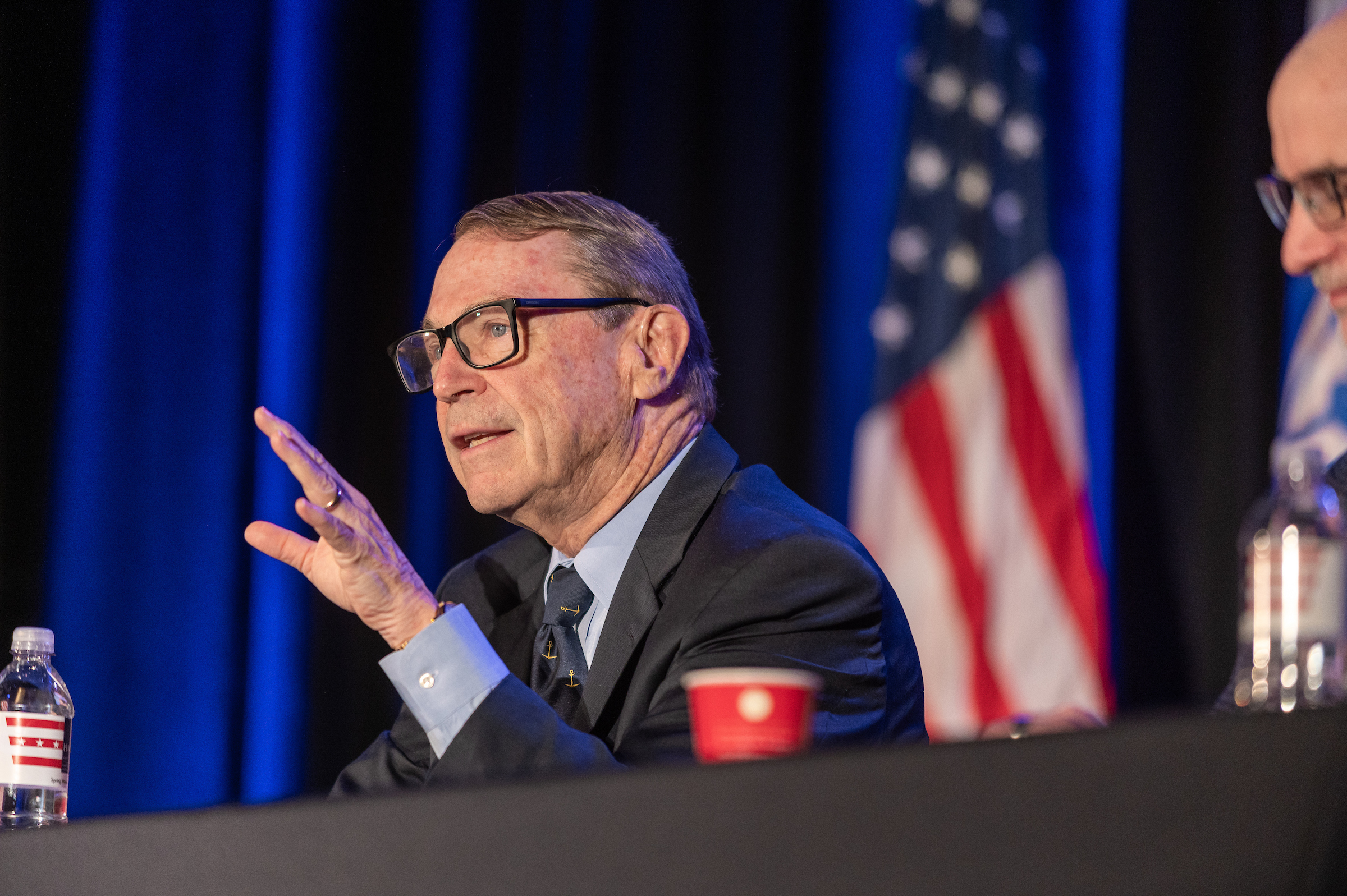
A Scholar of the Sea: Remembering Craig L. Symonds
The National WWII Museum in New Orleans is mourning the loss of a foundational figure in military history. Craig L. Symonds, a distinguished naval historian, Vietnam War veteran, and longtime friend of the institution, passed away on October 13, 2026, at the age of 79. His death marks the end of a career that bridged the gap between academic rigor and public history, leaving a legacy that shaped how both officers and civilians understand the American experience at sea.
For two decades, Symonds served as a vital link between the scholarly community and the museum’s mission. He joined the organization’s Presidential Counselors advisory group in 2024, providing guidance on key initiatives, including the high-profile renovation of the museum’s flagship D-Day Invasion of Normandy exhibit. His influence extended well beyond the walls of the New Orleans campus, reaching millions through his work as a historical adviser for The HISTORY Channel’s World War II with Tom Hanks documentary series.
Craig’s legacy as a courageous veteran, brilliant scholar, dynamic educator, and trusted friend will continue to be an inspiration for us all. We will always cherish his commitment to the Museum and passion for this vital history.
Stephen J. Watson, the Museum’s President and CEO, noted that Symonds’s contributions were instrumental in strengthening the institution’s work for future generations. For those who study the Pacific and Atlantic theaters, Symonds was more than a consultant; he was a primary interpreter of the complex logistical and human puzzles that defined the era.
From Anaheim to the Naval Academy
Born in Anaheim, California, Symonds’s path to becoming a preeminent naval voice began with his graduation from UCLA in 1967. He moved to the University of Florida for graduate studies before his military service took center stage. In 1971, he joined the US Naval Reserve, rising to the rank of Lieutenant. It was during this period that he served on the staff and faculty of the Naval War College in Newport, Rhode Island—a formative experience that deeply informed his later scholarship.
After completing his doctoral work at the University of Florida, Symonds joined the faculty of the US Naval Academy in the fall of 1976. Over the next 30 years, he became a fixture at Annapolis, eventually serving as chairman of the history department from 1988 to 1992. His teaching career was marked by the highest honors for research and civilian service, leading to his appointment as Professor Emeritus upon his retirement in 2005. He later returned to the Naval War College to serve as the Ernest J. King Professor of Maritime History from 2019 to 2021.
A Prolific Legacy in Print
Symonds’s impact on the historical record is perhaps best measured by his bibliography. He authored nearly 20 books, demonstrating a rare ability to synthesize vast military archives into compelling, human-centered narratives. His 2009 work, Lincoln and His Admirals, won the prestigious Lincoln Prize, cementing his reputation as a master of both Civil War and naval history.
His specific contributions to World War II literature include:
- The Battle of Midway
- Neptune
- World War Two at Sea
- Nimitz at War, which earned the Gilder Lehrman Military History Prize
His professional recognition included the 2014 Knox Naval History Lifetime Achievement Award and the 2023 Pritzker Military Museum & Library Literature Award. In 2025, he released Annapolis Goes to War: The Naval Academy Class of 1940 and its Trial by Fire in World War II. His final manuscript, Twelve Battles that Changed America, is currently slated for posthumous publication in 2027.
As the academic and military communities reflect on his passing, the loss is felt not just in the archives but in the classroom and the museum hall. Symonds spent his life ensuring that the strategic decisions of the past remained accessible, emphasizing that the history of the United States Navy is, at its core, a history of individual sacrifice and leadership. While his voice is now silent, the scholarship he leaves behind will continue to inform the next generation of historians and military leaders alike.
Related reading

Waterloo Black Hawks Defeat Lincoln Stars 5-1 via Three Power-Play Goals
Special Teams Struggle Sinks Lincoln Stars Against Waterloo The Lincoln Stars’ pursuit of momentum hit a significant roadblock...

Two Crashes and Fuel Spill Cause Major Traffic Disruptions on Highway 29
Two Crashes Paralyze Highway 29 in Napa County Friday, Nov. 6, proved to be an exceptionally difficult day...

Missouri High School Football Final Scores for November 6
Missouri High School Football Results from November 6 The high school football landscape across Missouri saw a massive...
No. 5 Michigan Snaps UConn’s Regular-Season Win Streak in Top-5 Clash
UConn’s 39-Game Regular-Season Streak Ends in Ann Arbor The UConn Huskies’ lengthy run of regular-season dominance concluded Thursday...