
Nebraska’s unique poll worker draft expanded this fall to Hall County, easing staffing shortages that left the Grand Island area short of workers in 2024.
- Hall County drafted 29 workers for the November general election after a 2024 shortfall of 24.
- Douglas County drafted 1,063 workers and drew 989 volunteers this year.
- Sarpy and Douglas counties have used the draft; Hall County joined them this year.
- Drafted workers will serve in four elections over an indefinite period unless exempted.
How the draft works
County election commissions send summonses to randomly selected registered voters, much like jury duty. State law exempts anyone 70 or older, those with documented health issues, people who are traveling or have pressing work obligations, and those with young children who may defer service until the children are older.
Once summoned, a person must serve four elections over an indefinite period; after the fourth, they can no longer be required to serve. The only other way out is to permanently surrender voter registration, a step most decline, election officials said.
First-time draftee describes the experience
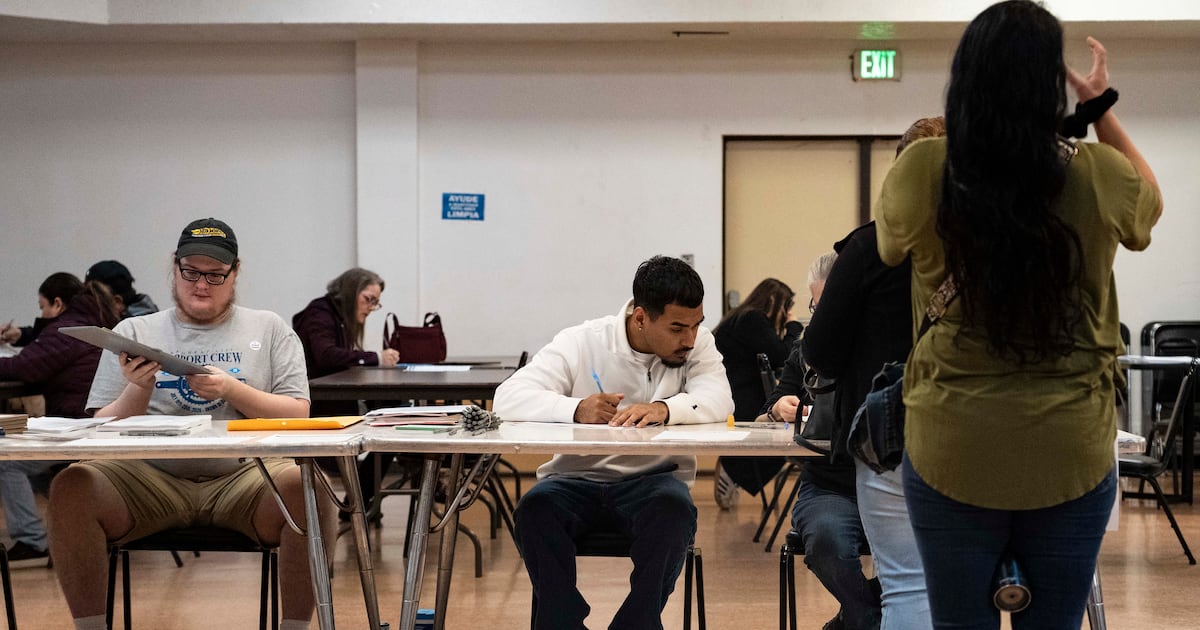
Darbi Eschmann received a summons in the mail and worked her first election on Nov. 3 at a precinct in Omaha’s Elkhorn area. “I learned about it when I received a summons in the mail,” Eschmann said. Nebraska is the only state that treats election work as a compulsory civic obligation; ignoring a summons can bring a criminal misdemeanor charge and a fine up to $100.
Drafted workers lower average age and maintain partisan balance
Douglas County Election Commissioner Danielle Jensen said the draft supplied 1,063 workers this year while 989 volunteered. “The good thing about the draft is it does lower our average age of workers,” Jensen said. “The national average is, I believe, between 60 and 65. Ours is actually 55.”
State law also requires each polling place to include a Democrat and a Republican among its lead workers, and the draft helps meet that balance. “Sometimes, that’s hard to come by, so we can use the draft to help with that,” Sarpy County Election Commissioner David Jones said.
Hall County turned to the draft after 2024 gaps
Hall County, which includes the 54,000-resident city of Grand Island, drafted 29 workers for the November general election after struggling in 2024. In a survey submitted to the U.S. Election Assistance Commission, the county reported it had wanted 24 additional workers but could not recruit them, citing long hours, people working multiple jobs, and concerns about political polarization. The county wrote that it expected “to need to implement drafting workers by the next presidential” election.
Hall County Election Commissioner Tracy Overstreet said the struggle continued into this year, when the county was forced to dip into its standby workforce for the May primary, leaving polling sites vulnerable to staff shortages had even one person not shown up. “This election was definitely less stressful,” Overstreet said. “I think we will do this again in 2028.”

Workers receive minimum wage or employer pay supplements
Counties pay minimum wage, currently $15 an hour under state law, and up to $20 an hour for more technical roles. Employers are expected to make up the difference so drafted workers generally do not lose pay from their regular jobs.
Research suggests draft builds trust
Barry Burden, director of the Elections Research Center at the University of Wisconsin–Madison, said drafting workers randomly from the population is a promising solution to both staffing shortages and the lack of demographic diversity among poll workers.
“Americans with little prior knowledge of elections, when forced to be involved, could develop a better understanding of the election process. That can breed trust in elections,” Burden said. California lawmakers passed a bill this year to establish a similar draft, but Gov. Gavin Newsom vetoed it.
Century-old law born from corruption fight
The draft dates to 1914, when lawmakers created it to address corruption in Omaha. Powerful politicians then controlled the county election office and its poll workers and faced repeated accusations of manufacturing ballots to manipulate outcomes, according to a 1996 Federal Election Commission report.
Worth a look

Salt Lake City Mexican Food Guide for Utah Valley: Mole, Tamales, West Side Bakeries, Late-Night Tacos
Salt Lake City offers Utah Valley diners a 40-year-old mole house, a Post District tamale kitchen that Salt...
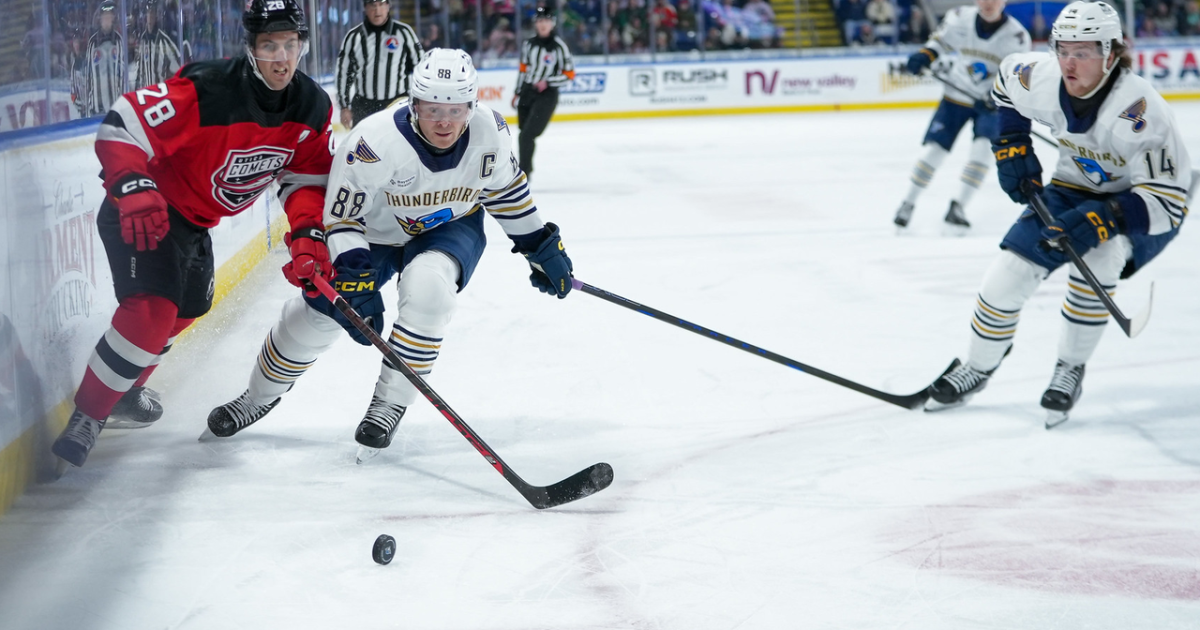
Thunderbirds Fall to Comets 3-2 in Shootout After Susuev Forces Overtime
The Springfield Thunderbirds lost their second shootout, falling 3-2 to the Utica Comets on Saturday night at the...
IBEW Journeyman Rates and 103 CSR 5 Licensing Rules in West Virginia
West Virginia's five IBEW Inside halls offer journeyman base rates ranging from $39.01 an hour in Parkersburg to...

Delaware High School Football Semifinals Set Championship Matchups: Middletown, Salesianum, Red Lion Christian, Conrad Advance
The Delaware high school football semifinals concluded Friday with four games that set the championship matchups for Classes...