
On April 27, 1865, the steamship Sultana exploded on the Mississippi River, claiming nearly 1,200 lives in the deadliest maritime disaster in United States history.
Despite a death toll that eclipsed the sinking of the Titanic, the tragedy remained a shadowed chapter of the Civil War era, largely eclipsed by the assassination of Abraham Lincoln and the final days of the conflict. This week, a new $11 million facility in Marion, Arkansas, opened its doors to ensure those lives are no longer relegated to the footnotes of history.
The Sultana Disaster Museum, housed in a meticulously renovated 1939 school gymnasium, marks the culmination of a grassroots effort that began with a modest display in 2012.
Today, the 21,000-square-foot institution serves as a repository for the stories of the 2,130 passengers who were on board that night.
“It’s an instructive lesson in humanity in so many ways — the worst of humanity and the best of humanity,” Jeff Kollath, the museum’s executive director, told the Arkansas Advocate during a preview of the exhibits.
The Mechanics of a Man-Made Disaster
While the Sultana had an official capacity of 376 people, records and exhibits at the museum detail how a boat captain and a Union army officer conspired to overload the vessel with more than 2,000 passengers. Many of these men were Union soldiers who had survived the horrors of prisoner-of-war camps and were finally returning home, only to face a lethal mechanical failure in the early morning darkness.
Visitors can access touchscreens that provide photos and personal histories for each passenger, transforming the staggering death toll into a series of distinct lives.
“It’s a story of reclamation, human reclamation, in some ways,” Kollath said. “History like this, Civil War history especially, is much more interesting when you talk about the individuals.”
Artifacts of Survival and Greed
The physical remnants of the explosion offer a visceral connection to the event. Among the items on display are an engineer’s wrench, a brass letter opener, and salvaged bricks from the vessel. Perhaps most haunting is the inclusion of artifacts related to the ship’s mascot: a pet alligator kept in a wooden box on deck.
The alligator became an unlikely instrument of survival for passenger William Lugenbeal, who used the creature’s wooden housing as a float to stay above the water. A cigar box featuring a pewter alligator, collected by Lugenbeal in the years following his survival, now sits in the museum’s collection.
The Lasting Lessons of 1865
The drive to establish the museum originated from the descendants of the victims and survivors, who spent years advocating for a permanent space to educate the public. For those involved in the Sultana Historical Preservation Society, the project is about more than memorializing the dead; it is about examining the corrosive effects of greed and political favoritism.
“The story is so important and the lessons it teaches, lessons of unintended consequences of corruption, of greed, the unintended consequences of political favoritism,” said John Fogleman, a retired judge who leads the society.
As visitors engage with the simulation of steamship racing or study the detailed layouts of the doomed vessel, they are invited to consider the human cost of negligence. The museum is now open to the public in Marion, providing a permanent home for a story that was nearly lost to time.
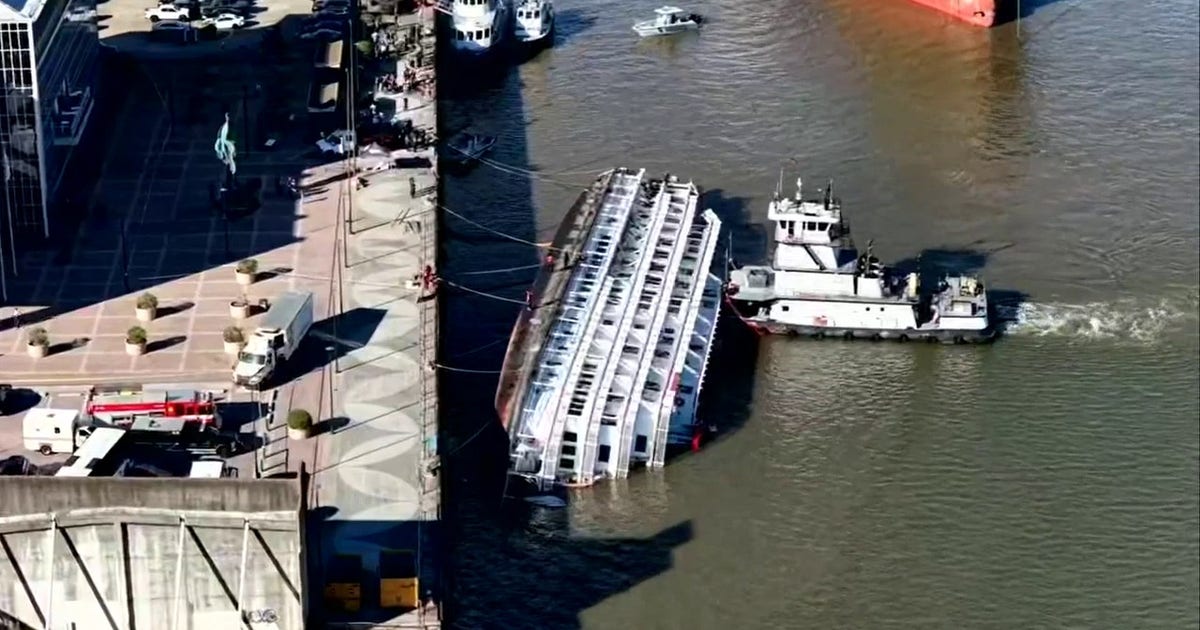
Injured Captain Last to Leave New Orleans Cruise Ship After Tanker Collision | FOX 5 New York
As authorities stated Saturday, roughly 100 individuals were rescued from the Mississippi River following a Friday incident where...

The Railroad and the Roots of Mexican Immigration in Kansas
Mexican workers in Kansas face fresh threats of arrest more than a century after railroad recruiters first brought...

Bill Fennelly Suspended One Game for ‘Inappropriate Contact’ With Player – Yahoo Sports
Iowa State women's basketball coach Bill Fennelly will serve a one-game suspension after making inappropriate contact with a...

Indiana Defeats Milwaukee Women’s Basketball 85-47
Facing a relentless interior attack and playing its third game in four days, the Milwaukee women's basketball team...