
Sixteen school districts in Merrimack County voted Tuesday to cap their own tax bills, but Concord refused—falling just eight points short of the 60% supermajority required, with 52% of voters in favor, Concord Monitor reported. The split outcome across New Hampshire’s capital region captures a statewide tension that played out in Tuesday’s midterm election: voters delivered heavy losses to the Republican Party while simultaneously approving a GOP-backed measure designed to limit school property tax growth.
The ballot question, which appeared on all general-election ballots across the state for the first time this year, requires a 60% yes vote to adopt two separate limits. One restricts school district budgets from increasing the school portion of local property taxes by more than the rate of inflation; the other caps central office spending at 6% of total district appropriations. Bonded capital costs are excluded from both. For school administrators, the results create immediate uncertainty as they prepare budgets for the coming year.
The 60% line that divided the county
While sixteen Merrimack County districts—including Merrimack Valley, Pembroke, Deerfield, Chichester, Allenstown, Epsom, Pittsfield, Laconia, Hill, Weare, Gilmanton, Franklin, Hillsboro-Deering, Dunbarton, Belmont and Barnstead—voted to adopt the caps, Concord’s rejection stands out as a significant exception. Yahoo reported that Manchester, Nashua, Bedford and Londonderry also did not adopt school property tax caps, though many other communities across the state did.
Republican Rep. Ross Berry, who championed the bill requiring the question to appear on ballots and lost his own re-election bid Tuesday, expressed surprise at the divide between the tax cap’s success and his party’s broader losses. “It touches on everything that’s happening,” Berry said. “It’s housing; it’s affordability; it’s taxes. It just touches on so many things that voters are obviously concerned about.”
Administrators brace for a tighter squeeze
In the Merrimack Valley School District, Superintendent Catherine Masterson called the adoption frustrating, particularly after administrators had worked to achieve a financial rebound following taxpayers’ rejection of the district’s proposed budget in 2025. “We heard [taxpayers,] we respected them and we have taken significant actions to make change, while ensuring that our students still have a high-quality experience,” Masterson said. “And in spite of all of those efforts, we find ourselves once again in a very precarious situation.” The district has already reduced faculty positions by 19 since a budget amendment two years ago, with two positions later restored, leaving the district running 17 positions short of previous levels. “There isn’t fluff in our budget,” Masterson said.
The cap creates particular complications for small districts like Dunbarton, which adopted the measure while neighboring Bow did not. Dunbarton School Board Chair Clement Madden noted that his district pays contracted tuition to Bow for middle and high school students under an Authorized Regional Enrollment Area agreement. “It’s a contracted cost that we have to pay,” Madden said. “They didn’t pass any tax cap in their district, so they can budget how they like and as they see fit… but that would affect our regular education in Dunbarton Elementary School if those costs go up.” As a small district without a large unreserved fund balance, Dunbarton has no leeway for unexpected costs like out-of-district placements.
In Franklin, where a municipal tax cap has existed since the town charter was adopted, the school district cap passed with a 62% majority, layering a new restriction on top of existing constraints. Franklin School District Superintendent Dan LeGallo said the district has already cut assistant principals, reading specialists, a computer teacher and a social worker due to the existing municipal cap, and he worries that athletics and extracurriculars will be in danger again. “I anticipate a very difficult budget season and I’m worried about losing more programming than we’ve already lost at this point,” LeGallo said.
Yahoo reported that Derry voters approved a cap by almost 65%, while Goffstown passed one with more than 61%. In Derry, officials warned at an Oct. 27 public hearing that the cap could force cuts to teachers and staff, potentially raising student-to-instructor ratios. In Goffstown, Superintendent Brian Balke explained at an Oct. 19 hearing that the town’s tuition agreement with New Boston means every $100,000 of reduced spending at Mountain View Middle School costs Goffstown another $18,000 in local revenues from New Boston, with even larger losses at the high school.
At the polls in Concord, voters offered competing views on why the measure failed. Paul Zaffini of Ward Five called the ballot question a ruse that distracted from state underfunding of education, while Cassandra Hoefs of Loudon worried that caps would strip away sports, arts and other non-core programs that students need.
Concord Board of Education President Pamela Walsh read the results as a demand for state action. “I think the board understands how many families are struggling with their property taxes in Concord,” Walsh said. “The struggle we have, and I think the message people sent across, is we need the state to step up and meet its responsibility to public education.”
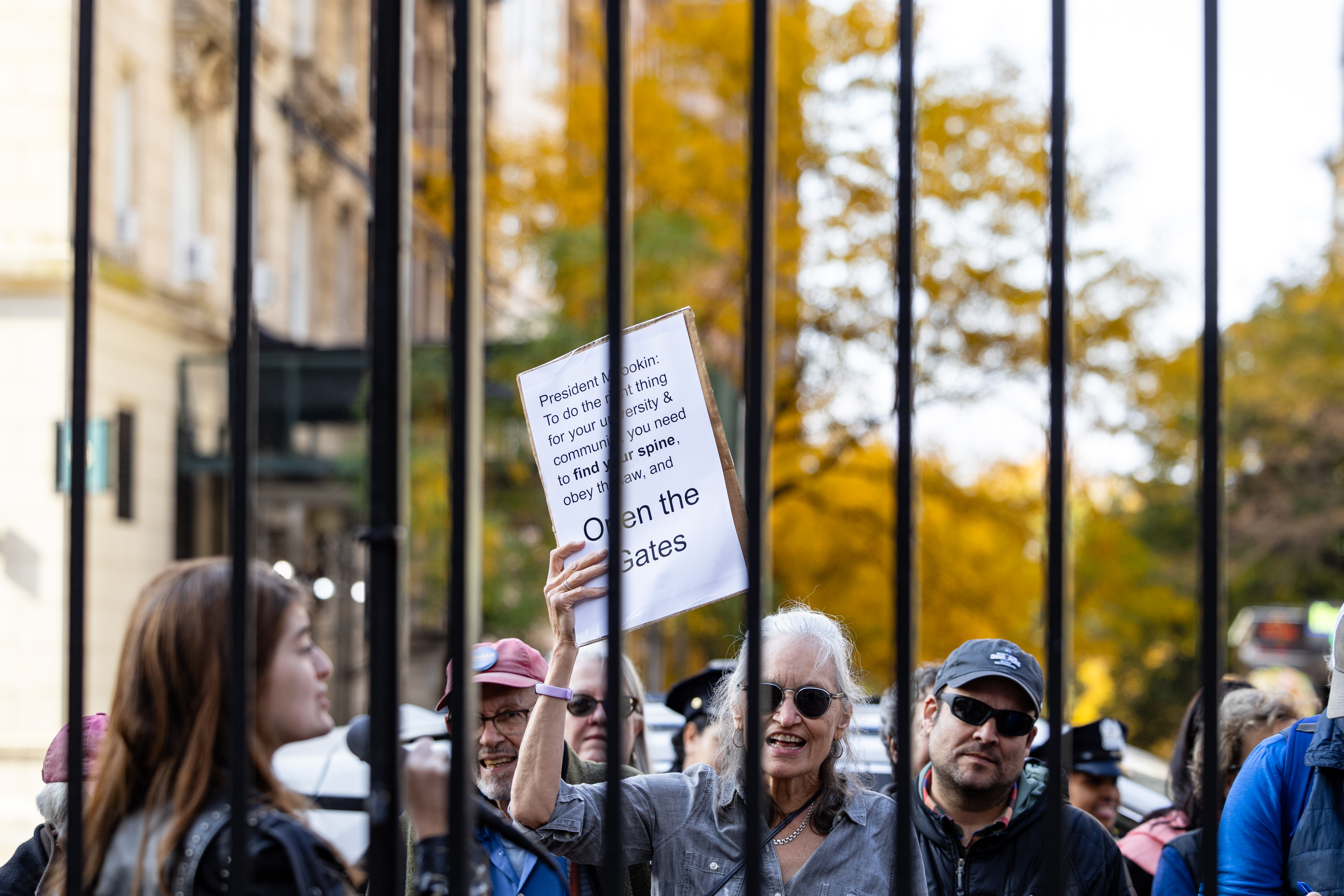
Elected Officials Join Sixth Rally to Demand Columbia Reopen Gates
The Sixth Rally in Three Years Thursday's gathering outside Columbia's 115th Street and Broadway gates marked the sixth...
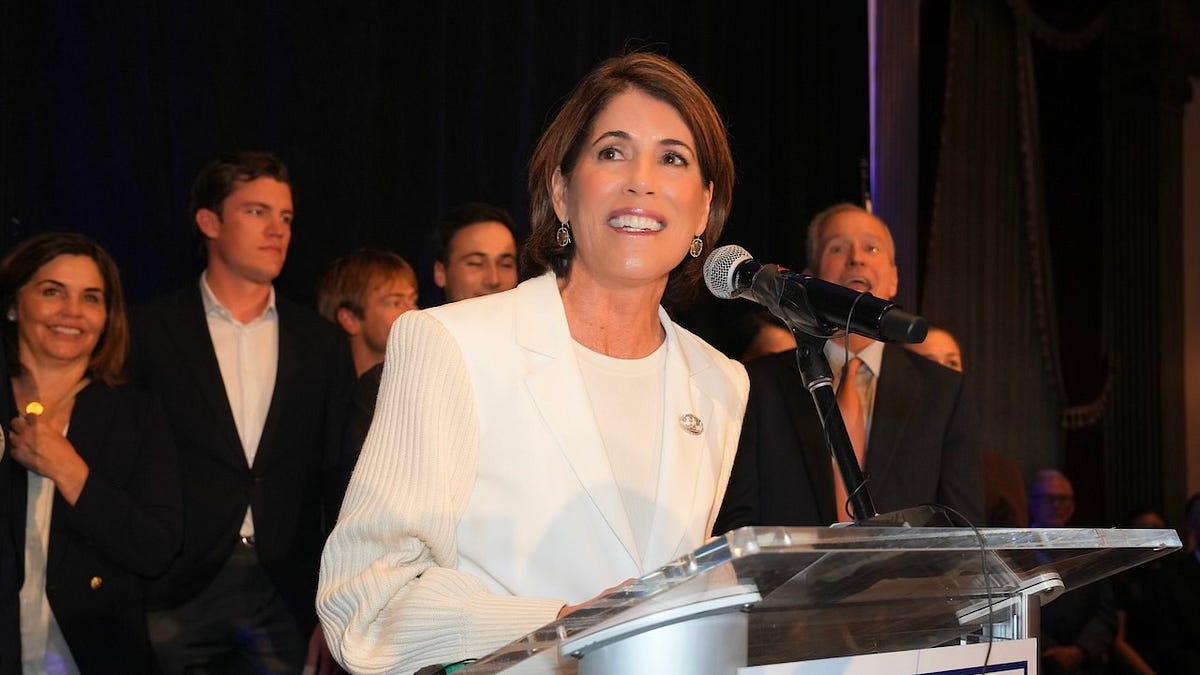
Democrats Sweep Rhode Island statewide offices and Reject bond
Helena Buonanno Foulkes won the Rhode Island governor's race Tuesday night with more than 57 percent of the...

Pennsylvania Democrats Gain Power to Push Recreational Marijuana Bill in 2027
Pennsylvania could legalize recreational marijuana after Democrats secured a "trifecta" of state power in Tuesday's midterm election, controlling...

Claire Lynn Prepares to Represent Oregon House District 9
"I want there to be an eighth generation Oregonian," Claire Lynn said. The newly elected representative for Oregon...