Warehouse Strike Strains New England Grocery Supply
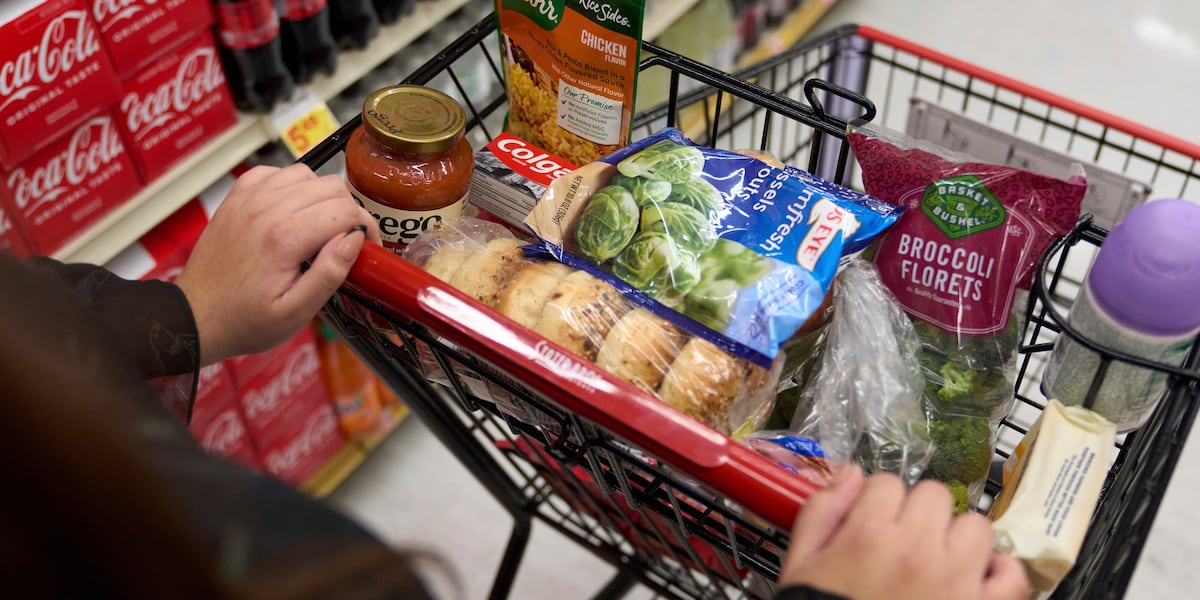
Hundreds of union members have walked off the job at an Associated Grocers Northeast warehouse in New Hampshire, triggering a ripple effect that is beginning to leave shelves bare at independent grocery stores across the region. The labor action, which halted standard distribution operations, has left local business owners scrambling to secure inventory as their primary supply lines vanish.
As WCAX reported, the disruption is hitting smaller, independent grocers hardest, forcing some to warn customers that staples like canned goods and frozen items may soon become difficult to find. For many mom-and-pop shops, this warehouse serves as a critical artery for daily operations.
“We were supposed to get a delivery yesterday — being Thursday — and there’s no delivery in sight,” said Ron Frey, co-owner of the Cambridge Village Market in Vermont. While the store remains open, Frey noted that the outlook for the coming weeks is increasingly uncertain. “A week or two down the road, if you want to come in and buy a can of soup, you might be out of luck.”
The Local Impact on Communities and Food Access
The stakes extend beyond simple convenience. Independent markets often serve as the primary food source for rural communities, and their inability to restock has immediate consequences for food security. Frey, whose market supplies a local food shelf, noted that a scheduled delivery for next Monday is now unlikely to arrive, potentially leaving those who rely on the pantry without their expected assistance.
While some stores are attempting to pivot by sourcing more produce directly from local farmers, those partnerships cannot replace the high-volume, nonperishable goods typically managed by large-scale distribution warehouses.
Matt Cota, representing the Vermont Retail and Grocers Association, acknowledged the severity of the situation while emphasizing that these independent stores are not closing their doors. “There are other distribution channels for these stores, but this is a big one,” Cota said. He urged residents to continue supporting their local shops, noting that customer loyalty is essential for these businesses to weather the supply chain gap.

Market Resilience Under Pressure
For many customers, the strike is a reminder of the fragility of local supply chains. Mike and Wendy Dezotelle, frequent shoppers at the Cambridge Village Market, expressed their commitment to the store despite the looming shortages. “It’s one of the best local family-owned stores,” Wendy Dezotelle said.
The situation remains fluid as independent retailers attempt to navigate the uncertainty of the strike’s duration. According to WCAX, owners across the state have taken to social media to communicate with their customers about the potential for low stock, highlighting the transparency required when regional logistics falter.
Whether the labor dispute at the New Hampshire facility will reach a swift resolution remains the primary question for grocers and families alike. For now, the shelves remain partially stocked, but the buffer is thinning, and the reliance on local, non-warehouse inventory is being tested in real-time.

Worth a look
Marysville family searches for horse Cheyenne missing in Mount Adams Wilderness
For the Hoemann family in Marysville, Washington, the barn has felt significantly quieter since early October. A trail...

Virginia Morales Cedeño Obituary: A Legacy of Family and Passion
Virginia Morales Cedeño: A Life Defined by Family and Community Virginia Morales Cedeño, whose life spanned nearly a...

Phil Scott Victory Highlights Why Pre-Election Polls Failed
The 14-Point Discrepancy in Vermont’s Gubernatorial Race When the final ballots were tallied on Tuesday, the results in...
Senfronia Thompson Claims Enough Votes to Become Texas House Speaker
A Historic Shift in the Texas House State Rep. Senfronia Thompson, a fixture of the Texas Legislature since...