
New Jersey residents can lose their firearms through a civil court order that requires only a preponderance of the evidence, a standard far lower than the criminal threshold of guilt beyond a reasonable doubt.
The mechanism, known as an Extreme Risk Protective Order, allows a judge to issue a temporary order and a search warrant authorizing police to seize guns from a person’s home or business. The order also revokes the person’s firearms purchaser identification card, handgun purchase permits, and carry permits.
“The petition for a temporary Order must allege facts which establish that the person poses an immediate and present danger of bodily injury to himself or herself or others by possessing, purchasing, owning, or receiving a firearm,” the firm explained in its breakdown of the statute.
The process begins when a family member, household member, or law enforcement officer files a petition. A judge reviews it — often without the respondent present — and if a temporary order is granted, a final hearing is scheduled within 10 days.
At that hearing, the petitioner must prove by a preponderance of the evidence that the person poses a significant danger of bodily injury to self or others by owning or possessing a firearm.
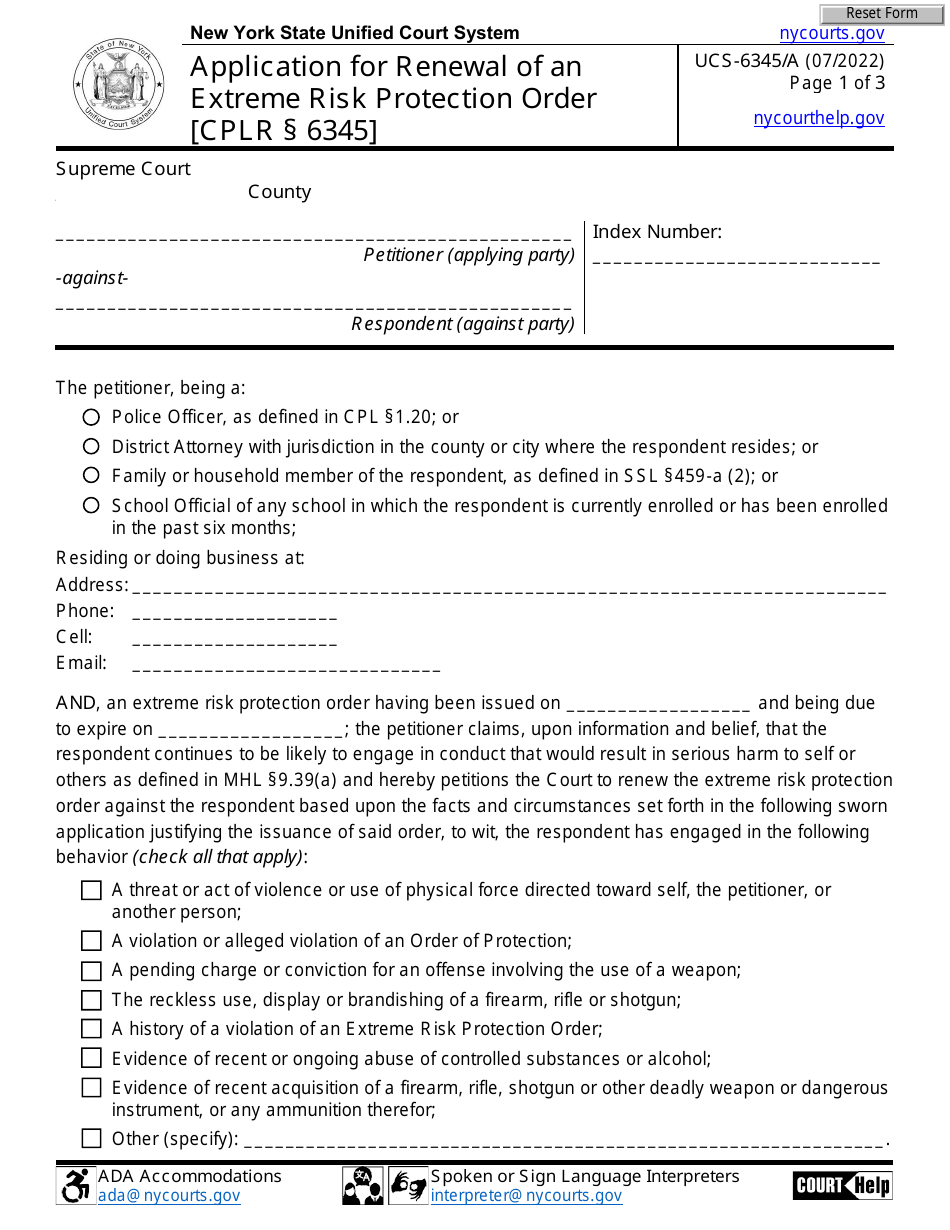
Judges weigh 15 specific factors when deciding whether to issue the order. They include any history of threats or acts of violence, prior arrests or convictions for violent crimes or stalking, violations of domestic violence restraining orders, recent acquisition of firearms or ammunition, reckless display or brandishing of a gun, prior involuntary mental health commitments, and any diagnosis of a mental health disorder or failure to comply with treatment.
Substance abuse history and animal cruelty offenses are also on the list.
If a final order is entered, the respondent has 45 days to appeal. The person may later apply to terminate the order, but bears the burden of proving by a preponderance of the evidence that they no longer pose a significant danger.
Unlike a domestic violence restraining order, an Extreme Risk Protective Order does not bar the respondent from returning to a shared residence or visiting specific locations.
Worth a look

Tallahassee Weighs Ending ICE Agreement as State Leaders Warn of Legal Penalties
Tallahassee city commissioners will take up the future of the Tallahassee Police Department's 287(g) agreement with Immigration and...

Michigan State’s Injury Crisis Masks a Fundamentally Sound Team
Michigan State took the field Friday night with a roster decimated by injuries and quarterback instability. The Spartans...

Hawaiʻi DLNR Warns of Scam Targeting Lahaina Water Permit Payments
The state Department of Land and Natural Resources issued a fraud alert after Maui residents and businesses reported...

Three Southern West Virginia Underground Mines to Produce Metallurgical Coal by Early 2027
Three underground coal mines in southern West Virginia are on track to start producing metallurgical coal by early...