
The 2026 midterm elections have fundamentally altered the power structure in New Mexico, punctuated by the historic victory of Deb Haaland, who becomes the first Indigenous woman elected governor in United States history. As reported by the UNM Newsroom, the results have triggered a wave of analysis regarding the state’s deepening alignment with Democratic platforms, even as Republicans faced a difficult night across the state’s ballot.
The implications of these results are the primary focus of this week’s episode of New Mexico in Focus on NMPBS. Host Nash Jones convened a panel of political journalists—Joshua Bowling of Source New Mexico, Shaun Griswold of High Country News and Buffalo’s Fire, and New Mexico in Focus politics correspondent Gwyneth Doland—to dissect the mechanics of the vote. The discussion highlights not just the outcome of the gubernatorial race, but also the broader legislative shifts occurring within the state, including the transition of New Mexico into the final state in the nation to begin paying its lawmakers.
Democratic Gains and the Republican Struggle
While the state’s shift toward a deeper blue hue has been a subject of intense debate, the electoral data suggests a complex interaction between national trends and local priorities. During the broadcast, political experts Eric Griego, a UNM professor and former state senator, and Merritt Allen of Vox Optima Public Relations joined the program to examine why New Mexico’s Democratic base expanded even during a cycle where many national parties faced significant pushback.
The election results reflect a specific convergence of local issues and national policy sentiment that clearly favored the Democratic ticket this cycle, despite the headwinds seen in other parts of the country.
Conversely, data provided by Fox News regarding the 2026 midterm results indicates that while Democrats secured major victories, Republican voters remained deeply concerned with the cost of living and immigration enforcement policies. The contrast between these two narratives—the successful Democratic mobilization versus the lingering economic anxieties of the conservative base—forms the core of the current political tension in the state.
The Practical Impact of Legislative Reform
Beyond the high-profile gubernatorial race, the 2026 midterms marked a milestone for the state legislature. New Mexico has officially become the final state to provide compensation to its lawmakers. This change is expected to lower the barrier to entry for potential candidates who previously could not afford the financial strain of public service without a salary. Proponents argue this will lead to a more diverse and representative legislature, while critics express concern over the budgetary implications for taxpayers.
National Trends and Local Realities
The 2026 election cycle was defined by a range of voter concerns that went well beyond traditional partisan divides. According to exit polling data highlighted by Fox News, voters were heavily focused on the economic impact of inflation, the rising costs of utilities, and the emerging debate surrounding the regulation of artificial intelligence and data centers. The divergence in how voters perceive the handling of these issues by the two major parties remains a significant factor in future electoral planning.
As the dust settles, the question of whether New Mexico’s current political trajectory is a permanent realignment or a reaction to specific 2026 conditions remains unresolved. The state’s leadership now faces the task of balancing the progressive mandates of their voters with the economic pressures faced by those who voted for the opposition. With the legislative session approaching, the focus will shift from the campaign trail to the practical application of policy, leaving the electorate to determine if the promises of the 2026 cycle match the realities of the coming term.
Worth a look

PBC Runners of the Year Named: Nasrudin Mohamed and Gabrielle Jourdain
Augusta University Dominates Peach Belt Conference Cross Country Honors As the Peach Belt Conference (PBC) prepares for its...
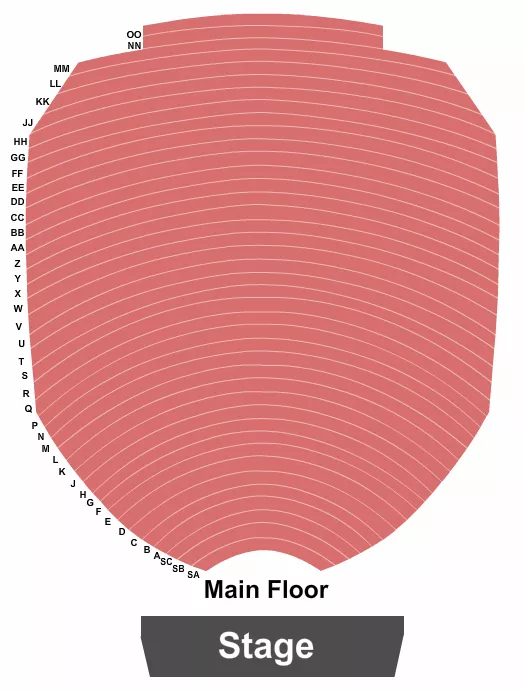
Black Panther In Concert Live at Des Moines Civic Center
Marvel Studios’ Black Panther in Concert is coming to the Des Moines Civic Center, offering a live orchestral...

Bellarmine vs. Indiana Men’s Basketball Play-by-Play Highlights
Bellarmine Men's Basketball Faces Indiana in November 5th Matchup According to the official box score provided by Bellarmine...
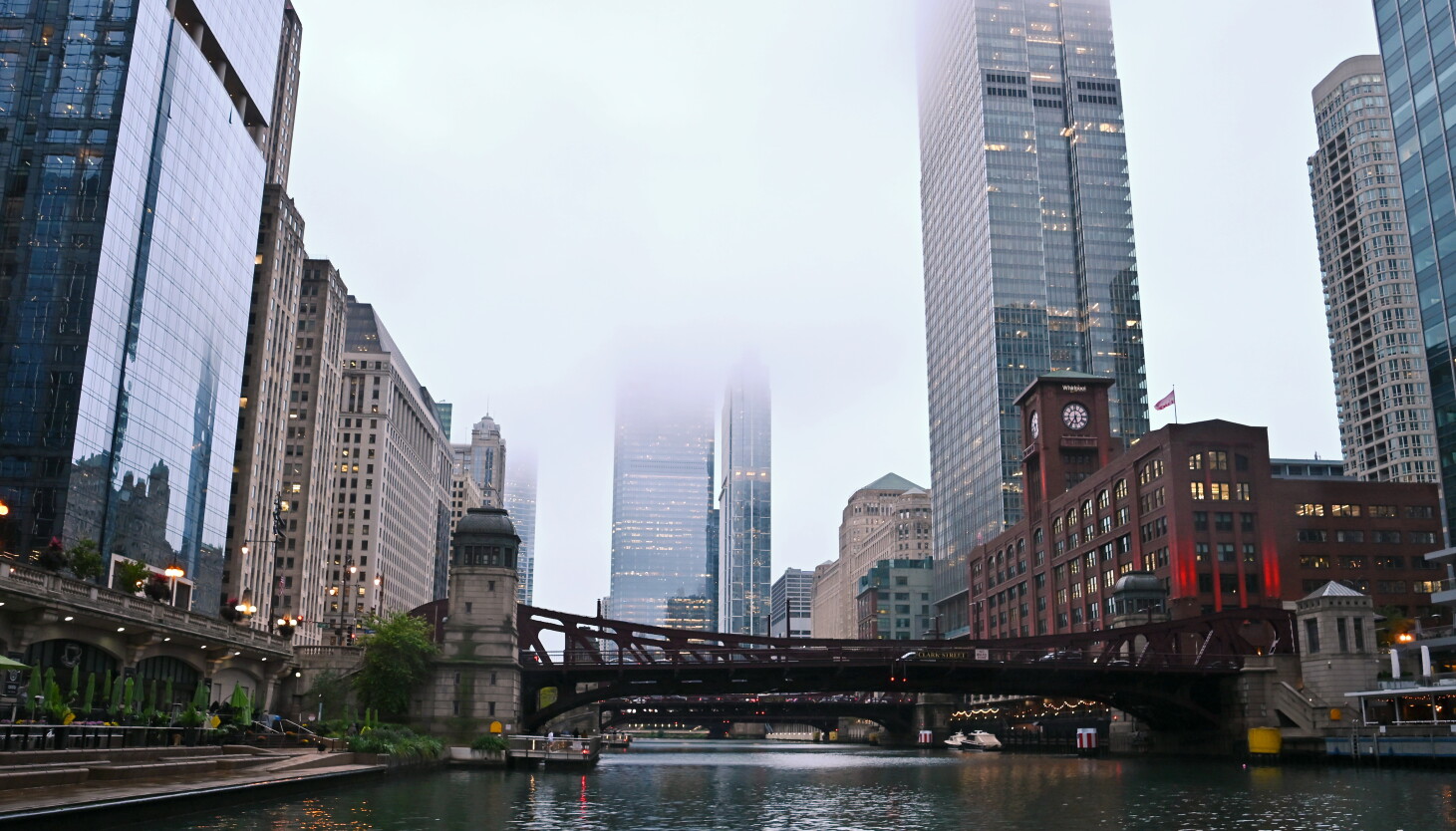
Donna Lasinski Named President of Chicago Cultural Stadium Project
Chicago’s Cultural Stadium Initiative Appoints New Leadership The long-discussed vision to reshape Downtown Chicago into a "Cultural Stadium"—a...