New Mexico released a step-by-step guide for other states on Monday, one year after launching the nation’s first free Universal Child Care program on Nov. 1, 2025. The blueprint documents the governance, funding and workforce strategy behind a system that now serves more than 50,000 children across 40,465 families, the Early Childhood Education and Care Department said.
The department published the “Universal Child Care Blueprint” on Nov. 23, detailing five pillars: strong governance, sustainable and predictable funding with cost-based financing, a well-compensated and credentialed workforce, family-centered access, and expanded child care supply. The full report is available on the ECECD website.
Enrollment and reach
Today, 40,465 New Mexico families receive child care assistance for more than 50,000 children. Half of all eligible children under age 5 are enrolled in the program, ECECD reported. New Mexico has approximately 98,000 children under age 5.
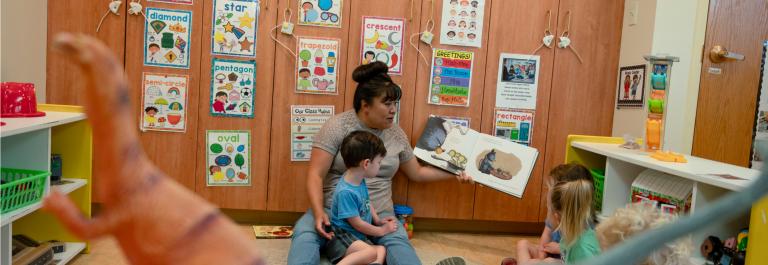
Who the program serves
More than 54 percent of children receiving assistance come from families whose income is at or below 200 percent of the federal poverty level, while more than 80 percent of families have income at or below 400 percent FPL.
Removing income limits reduced the confusion, administrative burden and stigma that prevented many eligible families from participating, ECECD said. Combined with reimbursement rates based on the actual cost of providing quality care, the change also strengthened provider participation and stability across the market.
Supply growth and workforce
Since implementation, child care capacity in New Mexico has grown by 7,000 slots, while 270 additional providers have opened their doors and another 230 prospective providers are moving through the licensing pipeline. More than 1,000 new and prospective professionals have engaged in early childhood courses and required trainings, reflecting years of investment in provider support, workforce compensation and cost-based reimbursement, the department said.
Urban Institute analysis of state data from July 2025 to June 2026 found that 105 licensed providers and 243 registered providers opened, with 29 of the licensed and 74 of the registered providers reopening after having closed in the prior two years. Licensed capacity grew by about 3,857 slots — roughly one additional slot for every four additional children enrolled.
Governor signs bill enabling universal child care
A companion bill, Senate Bill 96, prohibits local governments and homeowner associations from imposing restrictions on child care homes and centers, clearing the path for more providers.
Keep reading
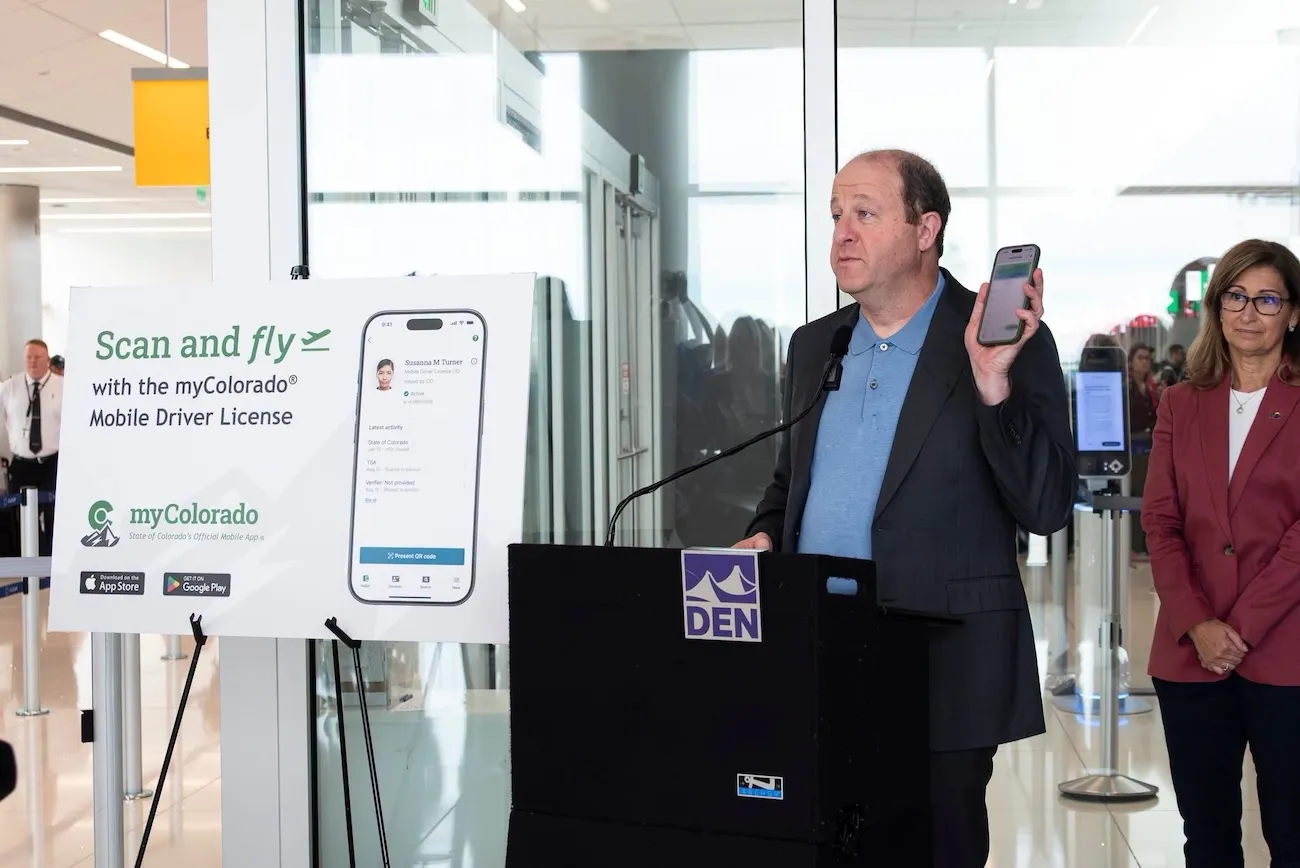
Colorado Shuts Down myColorado App After Breach May Expose Up to 150,000 Users’ Data
Colorado officials shut down the myColorado mobile app on Monday after detecting a cybersecurity breach on Nov. 18...

Saint Paul & Minnesota Foundation Commits $25 Million to Civic Infrastructure Over Five Years
The Saint Paul & Minnesota Foundation announced Monday a $25 million, five-year investment to strengthen civic infrastructure and...

Cardinals Fire DC Nick Rallis; Mike LaFleur Cites Need for “Fresh Perspective”
Arizona Cardinals head coach Mike LaFleur fired defensive coordinator Nick Rallis on Monday after the team's Week 11...

London Underground Drivers to Strike Thursday After ACAS Talks Collapse
London Underground drivers will strike at noon on Thursday, the first of eight 24-hour walkouts scheduled through February,...