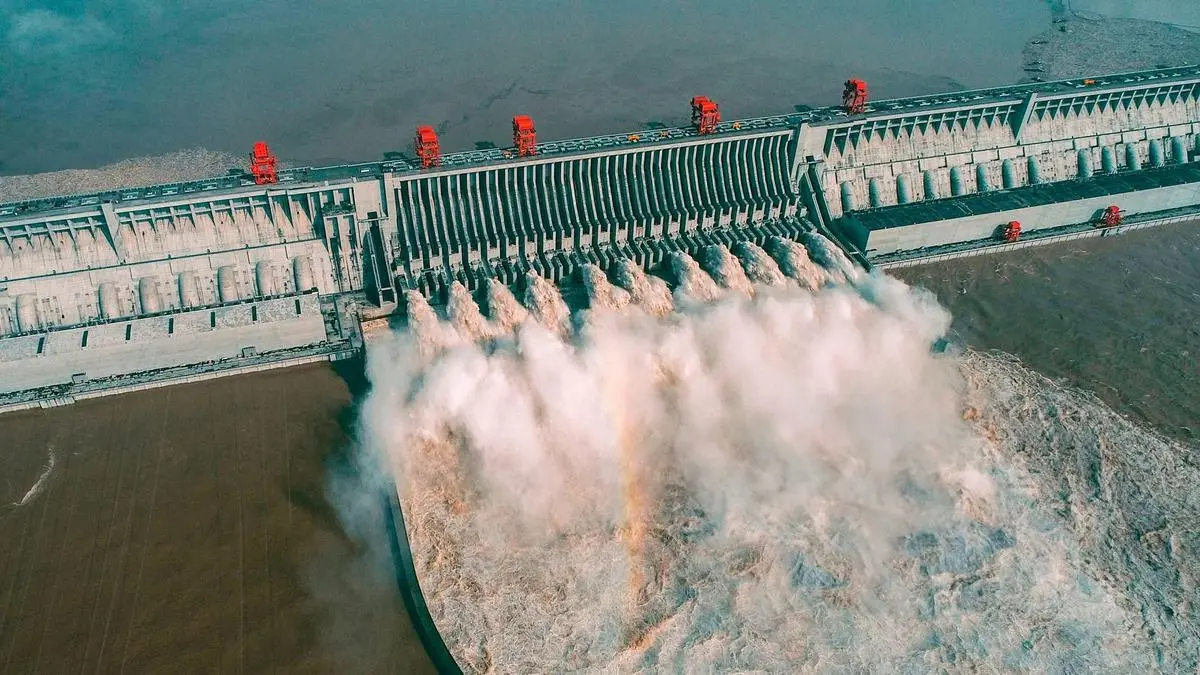
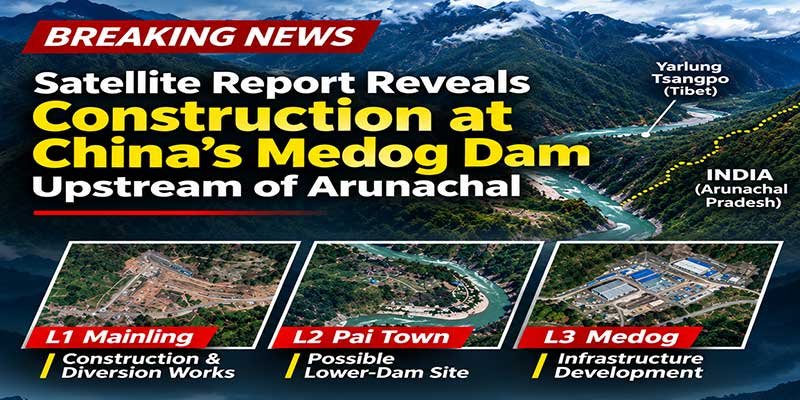
Satellite analysis by an Indian geospatial firm shows China has moved from site clearance to river diversion works at its 60-gigawatt Medog hydropower project on the Yarlung Tsangpo, just 40–50 kilometres upstream of Arunachal Pradesh, in less than a year.
- EarthSense Labs tracked construction at three sites from July 2025 to August 2026 using satellite imagery.
- Villages and farms on the river’s south bank near Mainling were cleared by December 2025; river diversion works appeared on the north bank by August 2026.
- Infrastructure at a proposed tunnel outlet near the India–China border has expanded since 2018, with 30–35 buildings and a concrete batching plant added by 2024.
- India’s proposed 11,200 MW Siang Upper Multipurpose Project remains at the pre-feasibility stage and faces local opposition.
Rapid progression at the Great Bend
The EarthSense Labs assessment, titled Building at the Great Bend: Monitoring China’s 60 GW Medog Dam Project, compares images from July 11, December 4, 2025 and August 10, 2026. At the main dam site near Mainling, designated L1, settlements and agricultural fields visible on the south bank before the July 25, 2025 start of construction had been removed by December, with earthwork underway. By August 2026, extensive road development, temporary housing, office facilities and what the firm identifies as river diversion works appeared on the north bank.
River diversion is a standard step in large dam construction to reroute water while the main structure is built. “The satellite imagery shows villages and farmland on the south bank of the river, upstream of the dam, being cleared,” said Nirdesh Sharma, co‑founder and CEO of EarthSense Labs. The firm released the 18‑page report on Monday, Arunachal24 reported.
Years of buildup at the tunnel outlet
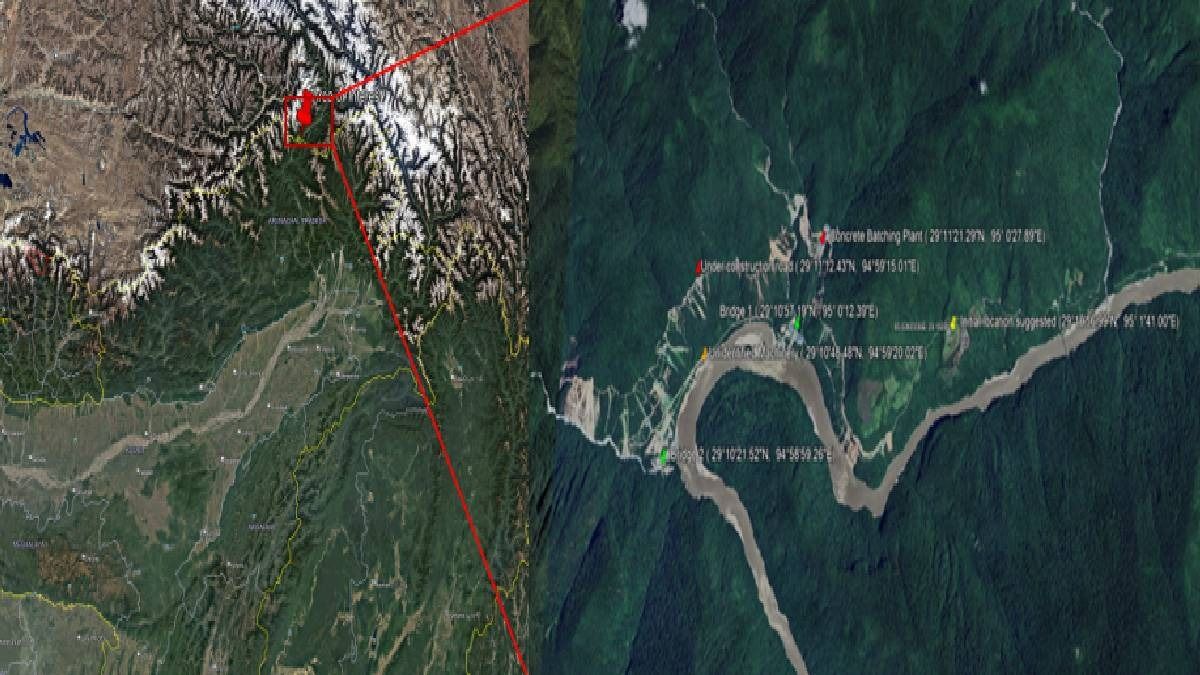
Downstream, near the proposed tunnel outlet in Medog County (site L3), road development was visible as early as April 2018. By 2021 a bridge, groundwork and an industrial‑residential complex had appeared.
Between 2023 and 2024, more than 30 residential and industrial buildings, a concrete batching plant, additional bridges and heavy machinery were added, with forest cover replaced by industrial infrastructure, India News Network and Hindustan Times reported. The project plans to exploit a drop of more than 2,000 metres over roughly 50 kilometres through tunnels spanning about 40 kilometres around the Namcha Barwa massif.
India proposes Siang dam to counter upstream regulation
The Yarlung Tsangpo enters India as the Siang in Arunachal Pradesh and becomes the Brahmaputra in Assam. Indian officials have long warned that large‑scale upstream regulation could alter water flows, sediment transport and flood patterns, especially without a binding water‑sharing treaty. China suspended hydrological data sharing in June 2023 after a bilateral agreement lapsed; New Delhi has sought its resumption, Assam Times reported.
In response, India has proposed the 11,200 MW Siang Upper Multipurpose Project (SUMP) across Upper Siang, Siang and East Siang districts, with a live storage capacity of around 9.2 billion cubic metres — larger than the 5.2 BCM attributed to the Chinese project in some accounts, though Beijing has not publicly confirmed that figure.
Arunachal Pradesh Chief Minister Pema Khandu has cited the reservoir as a safeguard against sudden upstream discharge changes. “China has already begun construction of a dam in Medog County, around 40 km from the border… without consulting us or sharing any information,” Khandu warned, The Diplomat reported.
Local opposition to India’s counter‑project
SUMP remains at the pre‑feasibility stage with no final construction decision. Sections of the Adi community oppose it, fearing submergence of ancestral land and displacement. The Adi Bane Kebang United and the Siang Indigenous Farmers’ Forum have petitioned Union Home Minister Amit Shah.
During a visit to Arunachal Pradesh last week, Shah assured protest groups: “Through the media and as briefed by the chief minister, I have understood the concerns on the Siang Mega dam. This is a national project… I want to assure the people that the indigenous heritage, customs, and traditions of the people won’t be compromised and we will come up with the best compensation package in the country.”
Related reading
UKHSA Data Shows 5,258 Heat-Linked Deaths in England, Record High
England recorded 5,258 heat‑linked deaths from May through September 2026, the highest annual total since the UK Health...

US Loses Measles Elimination Status, Cases Near 6,000, Deaths Hit 14, Ars Technica Reports
The United States lost its measles-elimination status last week after the virus circulated uninterrupted for 12 months, a...

Porsche 718 Boxster EV Prototype Hits 100 km/h in Under 3.0 Seconds
Porsche let journalists drive the production-ready 718 Boxster EV prototype this week at the Porsche Experience Center in...
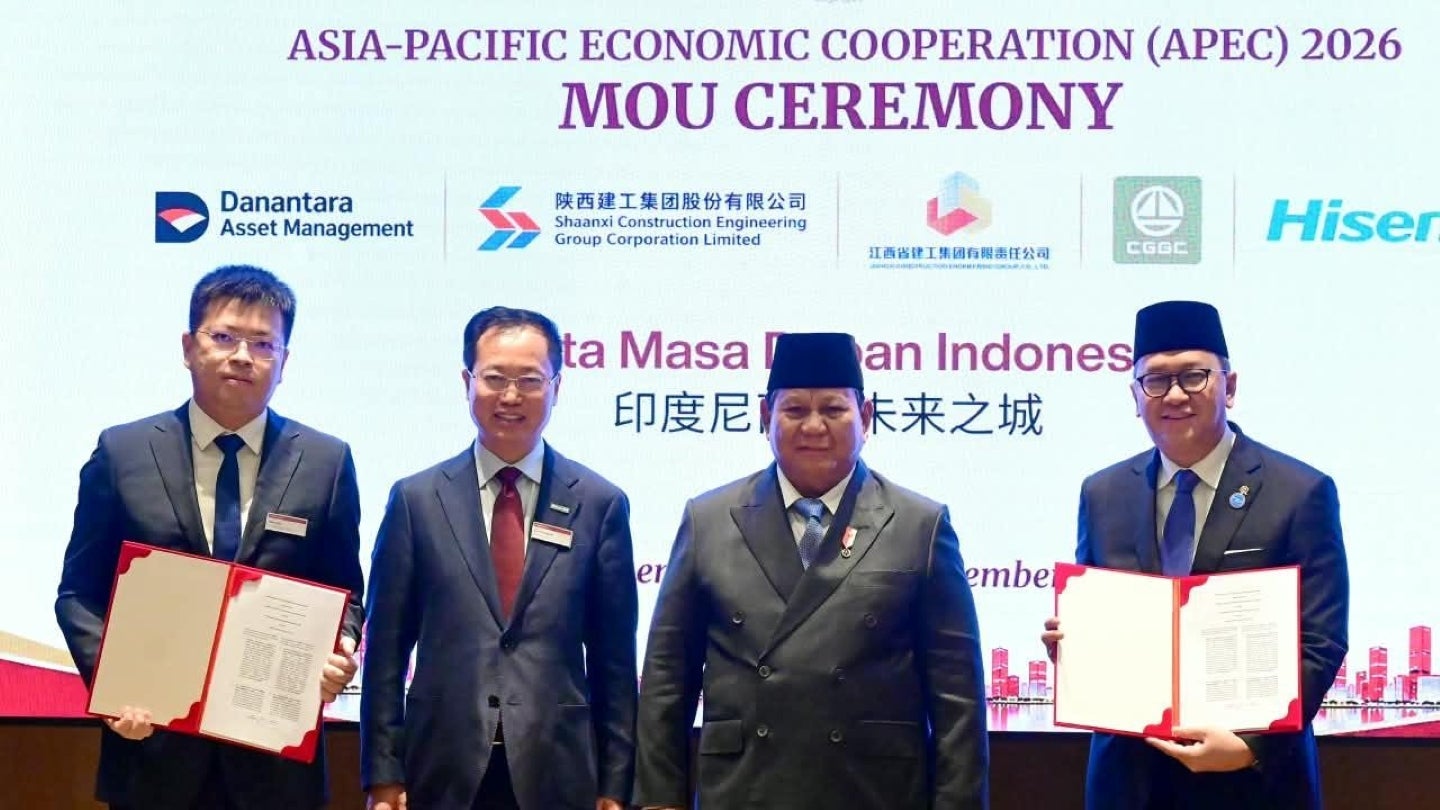
Indonesia Secures $86.8 Billion in Investment Commitments During Prabowo’s China Visit, Launches CEPA Talks
Indonesia secured $86.8 billion in investment commitments and potential economic deals during President Prabowo Subianto's visit to China...