
Gov. Josh Shapiro signed two bipartisan bills last month updating Pennsylvania’s Small Games of Chance Act, allowing nonprofits to accept electronic payments for raffle tickets starting in late December and letting licensed fire departments run raffles online.
The changes arrive after years of pressure from volunteer fire companies and civic groups who argued the state’s decades-old fundraising rules had not kept pace with a cashless society. For many organizations, the revenue difference determines whether they stay open or shut down.
What the new laws change
One bill, sponsored by Sen. Devlin Robinson (R., Allegheny), authorizes eligible nonprofits to accept credit, debit and mobile payments for raffle tickets. Organizations must verify that buyers are at least 18 and physically located in Pennsylvania at the time of sale. The provision takes effect in late December.
A second bill, sponsored by Sen. Michele Brooks (R., Mercer), permits fire companies with small games of chance licenses to conduct raffles online. It also raises the seven-day prize cap from $35,000 to $60,000 and allows those groups to retain a larger share of proceeds for operating expenses.
“People are relieved, I would say,” he told Spotlight PA. “They’re finally able to get into the 21st century.”
Pandemic exposed the gaps
COVID-19 disrupted the in-person bingo nights, meals and ticket sales that volunteer departments rely on. Many turned to online raffles and electronic payments to survive, only to discover the law did not explicitly allow them.
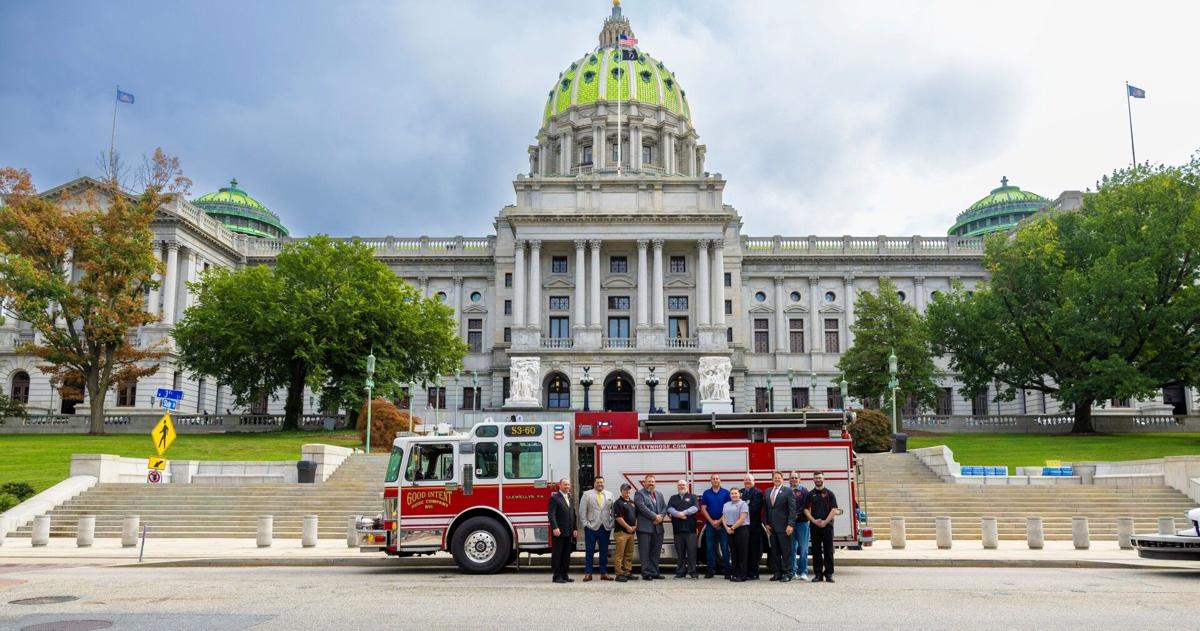
Good Intent Hose Company No. 1 in Schuylkill County used online raffle revenue over six years to buy three pieces of apparatus, pay off a mortgage, cover a grant match without a bank loan and donate to more than 40 other local nonprofits, according to Paul Kennedy, the company’s public information officer. This summer, the department was told to stop because it violated state regulations.
“I’m very hopeful that we will get that opportunity in the next session from lawmakers on both sides of the table because at the end of the day, this is not a partisan issue,” he said.
In Centre County, Treasurer Colleen Kennedy warned at least two volunteer fire companies that their online raffles jeopardized their licenses. She told Spotlight PA she did not want to penalize departments trying to raise money, but every organization had to follow the same rules. She called electronic payments “a huge jump forward for everybody” and said she hopes lawmakers eventually allow all eligible organizations to hold online raffles.
Robinson’s bill passed the Senate in 2024 but stalled in the House. At the time, a spokesperson for House Democrats said lawmakers had not heard from nonprofits about problems with the law but were open to revisiting the issue. Spotlight PA asked House leadership what changed this year and did not receive a response.
Robinson credited a statewide advocacy push in September, as the two-year session neared its end, for building the legislative momentum needed to pass both bills before the session expired — otherwise the process would have reset in 2027.
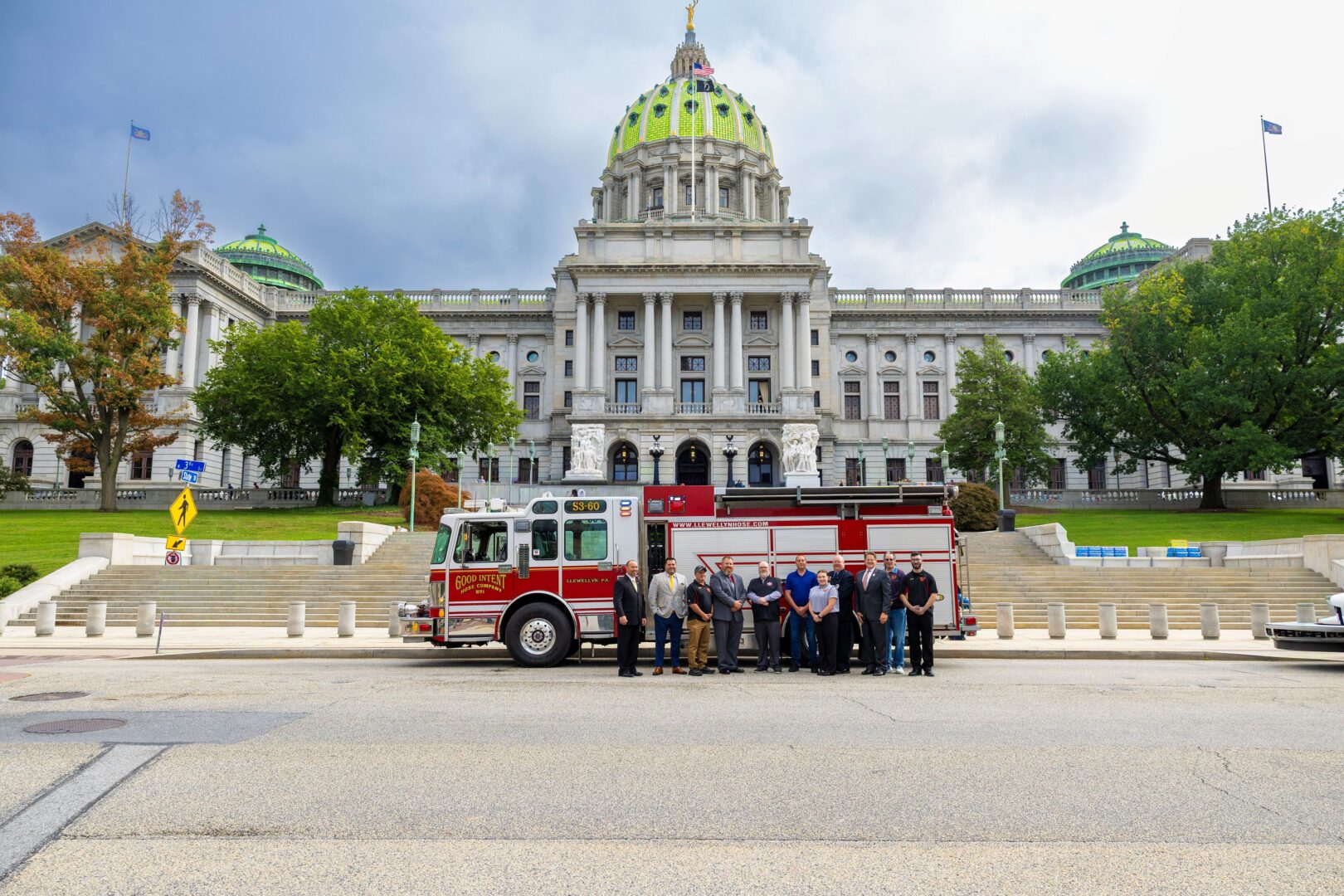
Paul Kennedy said the new laws are a step forward but should not end the conversation. He hopes they lead to a “complete rebuild” of the Small Games of Chance Act and expressed optimism that lawmakers on both sides will take it up next session because “at the end of the day, this is not a partisan issue.”
Keep reading
ODOT Schedules I-35 Overnight Closure in Norman for Pavement Repairs
The restriction runs from 9 p.m. Thursday to 6 a.m. Friday for surface repairs, weather permitting. It arrives...

Taylor Tomlinson Is Coming Back to Des Moines for a Second Show on the Same Night
Taylor Tomlinson is coming back to Des Moines for a second show on the same night, a move...

RJ Luis Jr. Will Stand Down and Stop Playing at LSU, Lawyer Says
"He said, 'Tony, I don't want to do anything that will hurt my teammates, my coach or LSU,'"...

Phoenix Mayor: Data Centers Could Consume Two-Thirds of Area’s Power
Phoenix Mayor Kate Gallego told Axios this week the city is "open for business, but we're not for...