
The New York Court of Appeals on Monday revived the state attorney general’s enforcement action against Tompkins County landlords who refused to rent to Section 8 voucher holders, rejecting a facial constitutional challenge by a 4–3 vote.
Chief Judge Rowan Wilson wrote for three judges that the Human Rights Law “says nothing about searches or inspections” and requires only nondiscrimination based on source of income. Any inspection or records-access obligation comes from the federal Section 8 program and the federal Housing Assistance Payments contract, not from New York law. A facial challenge succeeds only if a law is unconstitutional in every conceivable application, and the landlords could not meet that standard, the court held. The decision remains subject to revision before official publication. The ruling reverses the Appellate Division, Third Department, which had affirmed a Tompkins County Supreme Court decision declaring the law facially unconstitutional as applied to Section 8 voucher holders. The landlords, including Jason Fane and his Ithaca Renting Company, argued that complying with the state law effectively forced them into the federal Section 8 program, which they said conditioned participation on consent to warrantless searches in violation of the Fourth Amendment. Chief Judge Wilson’s opinion was joined by two other judges. Judge Singas concurred separately. Three judges dissented. The attorney general’s enforcement proceeding will now continue.
In the underlying case, the attorney general has asked the court to require the landlords to set aside a percentage of units for Section 8 recipients for three years, impose court monitoring, and order restitution and civil penalties. New York amended its Human Rights Law in 2019 to prohibit housing discrimination based on lawful source of income, expressly listing Section 8 vouchers. New York City has barred source-of-income discrimination since 2008. The city’s Commission on Human Rights consistently reports it as the most frequent complaint, deeming it a proxy for other forms of bias.
Private lawsuits expose housing providers to damages, punitive damages, civil fines and attorney’s fees. Criminal liability is possible for a willful violation of a Division order, a misdemeanor punishable by up to one year in jail and a fine up to $500.
Failure to comply with a commission order can bring civil penalties up to $50,000 plus up to $100 per day, and criminal penalties up to one year imprisonment and a $10,000 fine. Private individuals may also sue for compensatory and punitive damages, costs and attorney’s fees.
Keep reading

Oneonta Coach Suspended for State Semifinal After Device Found in Player’s Helmet
AHSAA suspended Helveston through Sunday, Nov. 22, 2026. Oneonta fined and placed on one-year probation; quarterfinal result stands....
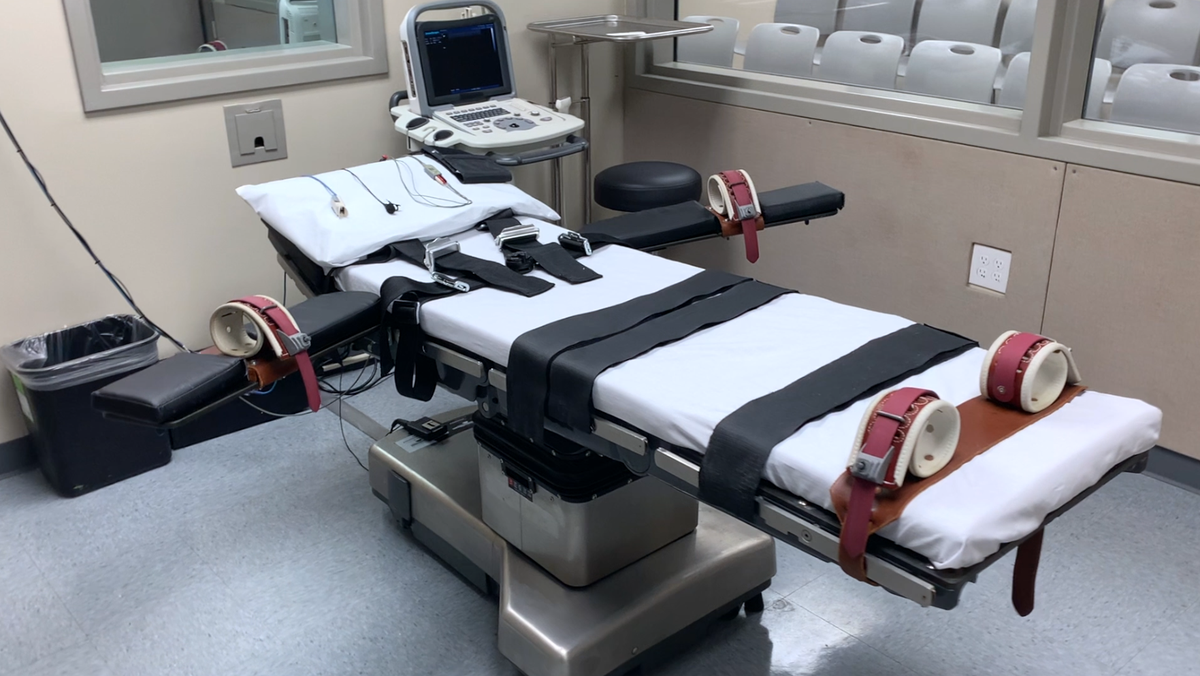
Oklahoma Death Row Inmate Ronson Bush Found Dead, Execution Schedule Shifts
Bush was discovered during a routine security check on Nov. 16 and transported to a hospital, where the...

Louisville Wins Six Straight After 2-3 Start, Eliminated From ACC Title Race Before Governor’s Cup
Louisville (8-3, 7-2 ACC) has won six consecutive games after a 2-3 start, per WDRB+WAVE. The Cardinals were...
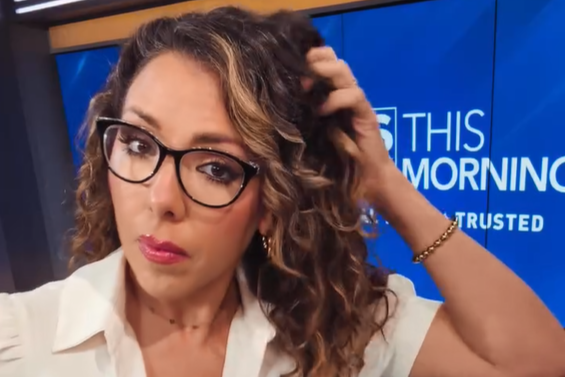
CBS Austin Anchor Allison Miller Claps Back at Viewer Criticizing Her Skirt and Age
"Please remind Allison that she is no longer a teenager. Looks like she borrowed her daughter's skirt." a...