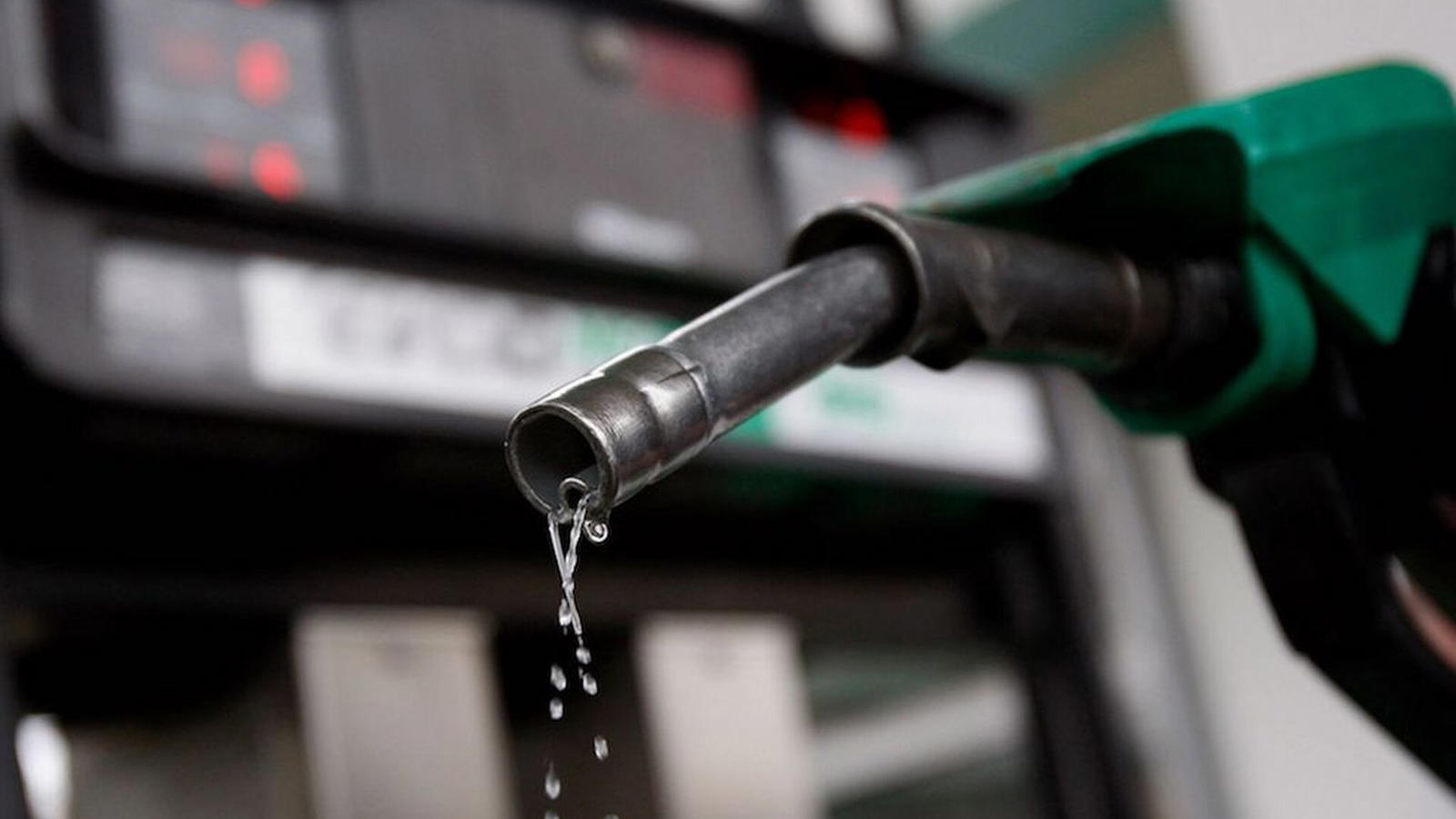
International crude oil prices above $100 per barrel have triggered fresh petrol price increases across Nigeria, with major retailers moving pumps to N1,375 and N1,400 per litre. The retail adjustments have intensified public disputes between petroleum marketers, refinery operators, and federal regulators over market pricing powers and rampant cross-border smuggling.
Pump Price Adjustments Ripple Across Major Retailers
Fuel prices climbed at retail stations nationwide as marketers adjusted to higher input costs driven by global crude movements. Outlets operated by NNPC Limited moved their pump price to N1,375 per litre from N1,275, while independent operators adjusted their rates to N1,400 from about N1,360 per litre.
The retail hikes followed an increase in the gantry price of petrol by Dangote Petroleum Refinery to N1,350 per litre. In Abuja, retail pumps ranged between N1,310 and N1,350 per litre across various stations, with further upward pressure expected as global energy markets react to ongoing geopolitical conflicts. Mazi Colman Obasi, National President of the Oil and Gas Services Providers Association of Nigeria, explained that deregulated downstream markets leave domestic pricing exposed to international crude costs, freight charges, and exchange rates.
Global Crude Spikes and the Dangote Smuggling Warning
International supply disruptions linked to the Middle East conflict have pushed benchmark energy prices sharply higher. Survey data from Dailypost showed Brent crude and West Texas Intermediate standing at $105.5 and $100.8 per barrel, respectively, following retaliatory tanker attacks near the Strait of Hormuz.
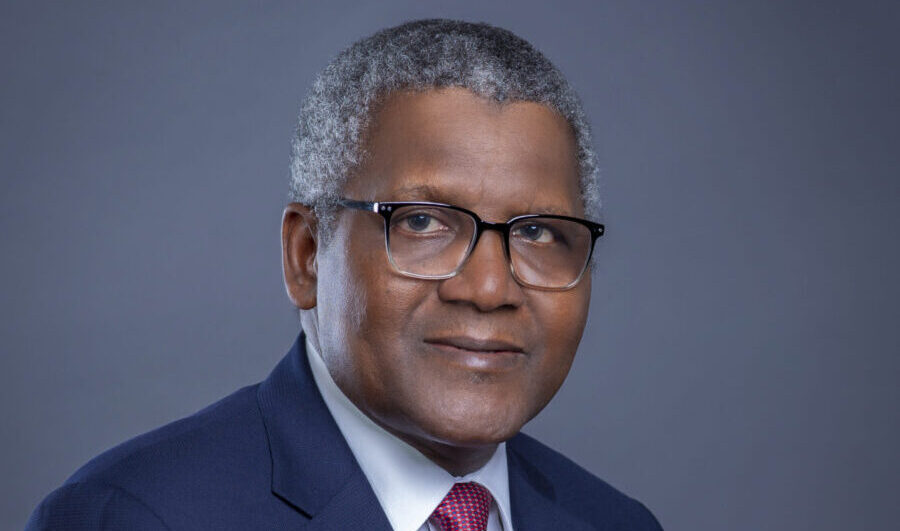
“Those neighbouring countries are about 30% to 50% more expensive than in Nigeria. So it’s not actually like-for-like. People can now go and ask, what is the price, even now, at N1,350, the price in Niger is 20%, 25% more than in Nigeria.”
Aliko Dangote, President/Chief Executive Officer of Dangote Industries Limited, via Nairametrics
Dangote noted that smugglers routinely divert products intended for domestic distribution—such as hauling fuel toward Ilela under the guise of delivering to Sokoto—to capture immediate returns from neighbouring markets. To help mitigate the financial strain on transport operators moving products to distant domestic regions, the refinery introduced free nationwide fuel delivery, a measure projected to save marketers up to N70 per litre in logistics expenses.
Regulatory Clash Over Petroleum Pricing Authority
The wave of price increases has ignited a public dispute between petroleum marketers and the industry regulator regarding statutory pricing authority.
“Section 164 gives NMDPRA oversight functions, and these must be carried out transparently for the benefit of the people. The Petroleum Industry Act was not passed in isolation. Stakeholders like AROGMA contributed to its development, and we understand the provisions.”
Bashir Ahmad Danmalam, AROGMA President, via Saharareporters
AROGMA President Bashir Ahmad Danmalam argued that the regulator must actively exercise its oversight responsibilities rather than sidestepping its mandate during a period of severe economic hardship. In response, the NMDPRA maintained that Section 205(1) of the Petroleum Industry Act establishes an unrestricted free-market pricing regime where government intervention is restricted solely to formally declared market failures.
Joint Enforcement Against Cartels and Price Fixing
Even as debate continues over pricing oversight, federal authorities have formalized cooperative enforcement to root out anti-competitive behavior.
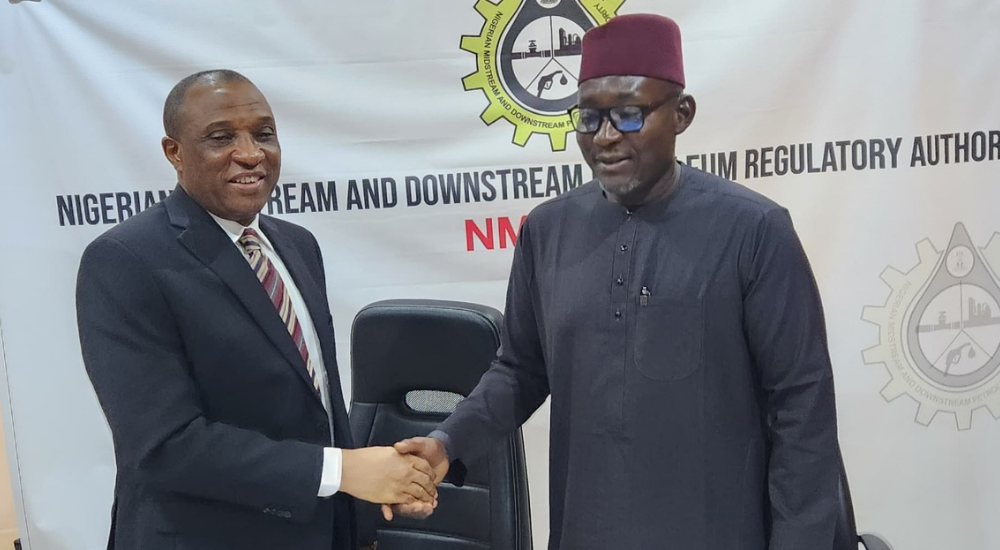
FCCPC Executive Vice Chairman Tunji Bello emphasized that while the commission does not set prices in a deregulated market, it maintains a clear statutory obligation to investigate collusion and abusive market dominance.
Economic Squeeze on Households and Transport Networks
The compounding pressures of rising fuel costs, higher transport fares, and inflated energy expenses are restricting purchasing power for everyday citizens and commercial operators.
Traders and commuters report severe disruptions to daily economic activity as fare adjustments erode disposable incomes.
Related reading

Oil Futures Fall for Third Day as Saudi Pipeline Repairs Ease Supply Fears
Global oil markets extended a three-session decline on September 18, 2026, as expectations of restoring Saudi Arabia's damaged...

President Isaac Herzog Clears Criminal Record of Former Soldier Elor Azaria
President Isaac Herzog has approved Elor Azaria’s request to clear the remainder of his criminal record, nearly a...
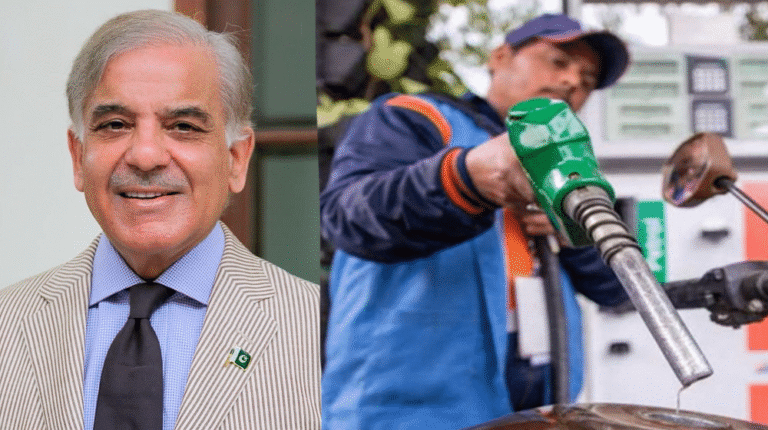
Over 2.2 million Pakistanis register for fuel subsidy amid US-Iran war
More than 2.2 million Pakistanis have registered for a government fuel relief scheme amid surging oil prices driven...

Gan Ching Hwee Wins Asian Games Silver in 1,500m Freestyle
Singaporean swimmer Gan Ching Hwee won a silver medal in the women's 1,500m freestyle at the Asian Games...