
On October 29, 2026, the New Jersey Assembly advanced a sweeping package of 10 bills designed to give law enforcement sharper tools to combat human trafficking, eliminate statutes of limitations, and increase penalties for offenders across the state, northjersey.com reported.
Targeting Demand and Expanding Accountability
The legislative package takes direct aim at both traffickers and the networks that sustain them. Assemblymember Carol Murphy noted that enhanced penalties for purchasing sexual activity form a critical pillar for decreasing industry demand. By directing fines straight toward victim assistance funds, the legislation pairs strict accountability with tangible resources for survivors attempting to rebuild their lives.
The legislative push directly addresses findings from a State Commission of Investigation report released two years ago, which detailed how human trafficking operates within the massage and bodywork therapy industry. Assemblymember Ellen Park, a sponsor of several bills in the package, emphasized that the illicit trade frequently thrives entirely out of public view, leaving vulnerable individuals exposed to severe exploitation.
“We have a responsibility to ensure our laws are strong enough to hold those responsible accountable while protecting the people who have been victimized,” Park said. “This legislation takes important steps toward improving investigations, strengthening penalties, and making resources more accessible to those who need them.”
A Closer Look at the 10-Bill Package
The comprehensive legislation spans a wide range of operational, civil, and criminal reforms. Most notably, one bill eliminates the statute of limitations entirely for certain human trafficking prosecutions and civil lawsuits. This change removes a critical barrier for survivors who may require years before they are able to report their circumstances, allowing criminal charges for human trafficking or aggravated criminal sexual contact to be filed at any time regardless of the victim’s age.
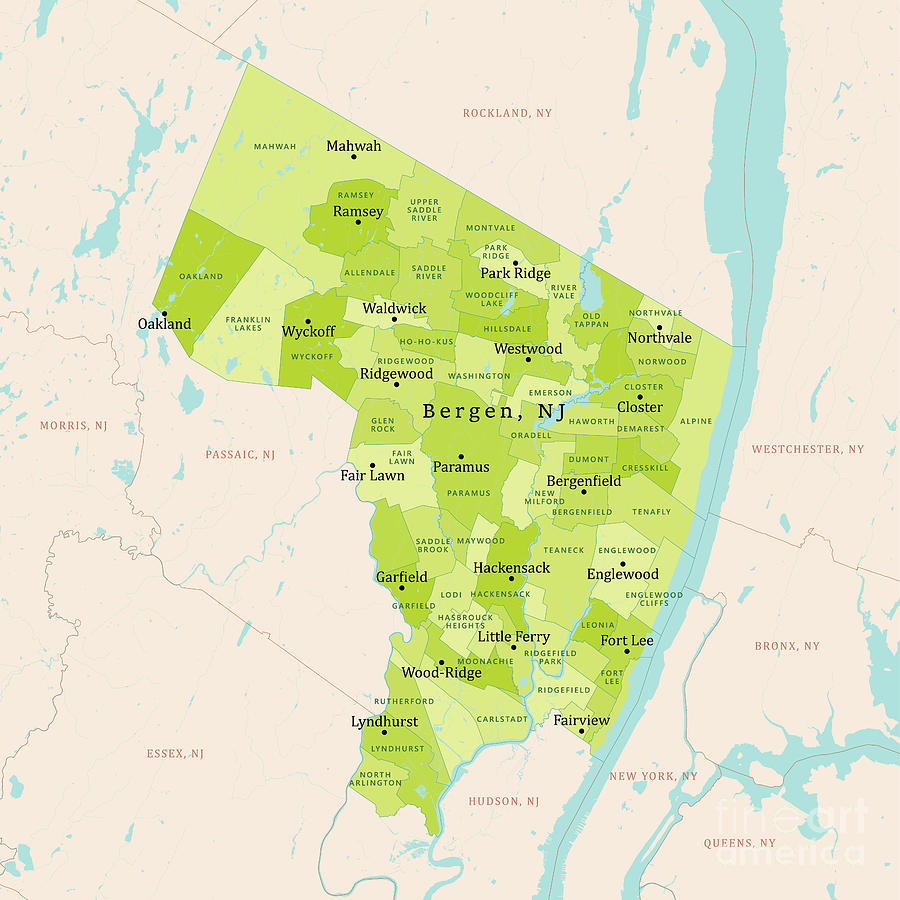
Other measures expand mandatory awareness signage into new commercial spaces. Beyond traditional venues, the rules now encompass private airports—such as Teterboro Airport in Bergen County. That facility, located a short distance from Manhattan, drew intense public scrutiny in prior years as a documented location frequented by Jeffrey Epstein.
The full legislative package moving to the Senate includes:
- A1406: Requires a review of statewide human trafficking investigation policies.
- A1407: Strengthens penalties for certain prostitution-related crimes and establishes new offenses targeting prostitution networks.
- A1408: Requires human trafficking awareness signage in Chinese and Korean.
- A2163: Expands locations required to display human trafficking awareness signage.
- A4215: Increases penalties for purchasing sexual activity and directs fines toward victim assistance.
- A4740: Requires human trafficking awareness training for commercial driver’s license applicants and renewing drivers.
- A5606: Clarifies establishments required to display human trafficking awareness signs.
- A3384: Eliminates statute of limitations for certain human trafficking prosecutions and civil lawsuits.
- A4796: Expands criminal and civil penalties for human trafficking, and expands human trafficking training requirements for law enforcement.
Momentum from Global Events
The urgency behind these measures builds on recent large-scale security operations. This past summer, New Jersey welcomed international visitors as MetLife Stadium hosted eight matches during the FIFA World Cup. Because major global sporting events historically correlate with spikes in underground trafficking activity, the state attorney general’s office launched coordinated enforcement operations. Those criminal investigations resulted in the recovery of nearly 100 suspected trafficking victims and the arrest of 71 individuals.
The entire 10-bill package now awaits consideration in the New Jersey State Senate before it can advance to the governor’s desk for final enactment.
Keep reading

What Albany International (AIN) Said on Its Q3 Earnings Call – Yahoo Finance
Albany International reported record third-quarter revenue, lifted by a renegotiated helicopter contract and strong performance in its Engineered...

Through the boroughs: How the New York City Marathon became a citywide tradition … – amNY
The TCS New York City Marathon is celebrating its 50th year, marking a massive historical milestone for one...

How to Choose a Cosmetic Dentistry Provider in Albuquerque
Choosing a cosmetic dentistry provider in Albuquerque requires looking beyond promotional photographs to evaluate clinical experience, oral health...

The Advance Group has leased 93,728 square feet of industrial space at Port South in Carteret
The Advance Group has leased 93,728 square feet of industrial space at Port South in Carteret, consolidating its...