
The TCS New York City Marathon is celebrating its 50th year, marking a massive historical milestone for one of the world’s premier running events and tracing a remarkable expansion from a modest local park race into a sprawling citywide tradition, amNY reported.
From a $1,000 Budget in Central Park to Five Boroughs
When the very first annual marathon was held on Sept. 13, 1970, the economic reality of the event looked entirely different. Operating on a budget of just $1,000, organizers charged a mere $1 entry fee for a race that took place entirely inside Central Park. On that late-summer day, only 127 runners registered, and just 55 crossed the finish line.
That original course involved multiple loops of the park’s internal roads, functioning as a relatively small, local road race. But as the event gained traction throughout the decade, the confines of Central Park simply became too small to hold the sheer volume of athletes wanting to participate.

To celebrate the nation’s bicentennial, organizers made the bold decision to expand the course outward. By incorporating all five boroughs, the race fundamentally transformed. The newly widened route brought the marathon directly through the diverse neighborhoods, bridges, and local communities that define New York City.
That first expanded race welcomed 2,090 entrants, with 1,549 runners ultimately completing the grueling 26.2-mile trek. Over the last fifty years, that participation scale has multiplied exponentially, turning race day into an international phenomenon where spectators from all around the world line the streets to cheer on runners from every imaginable background.
The Manhattan Home Stretch and Central Park Finish
For the thousands of dedicated participants who spend months or even years training for the event, Manhattan marks the emotional and physical home stretch. The scenery along this final leg offers a powerful contrast of towering skyscrapers, roaring crowds, and dense avenues guiding racers toward their ultimate destination.
The course ultimately loops back to Central Park, creating a full-circle historical moment for the 50-year tradition. Even though the modern race long ago outgrew its original home, it symbolically returns to the exact soil where its roots first took hold, allowing history to repeat itself as another generation of runners crosses the finish line.
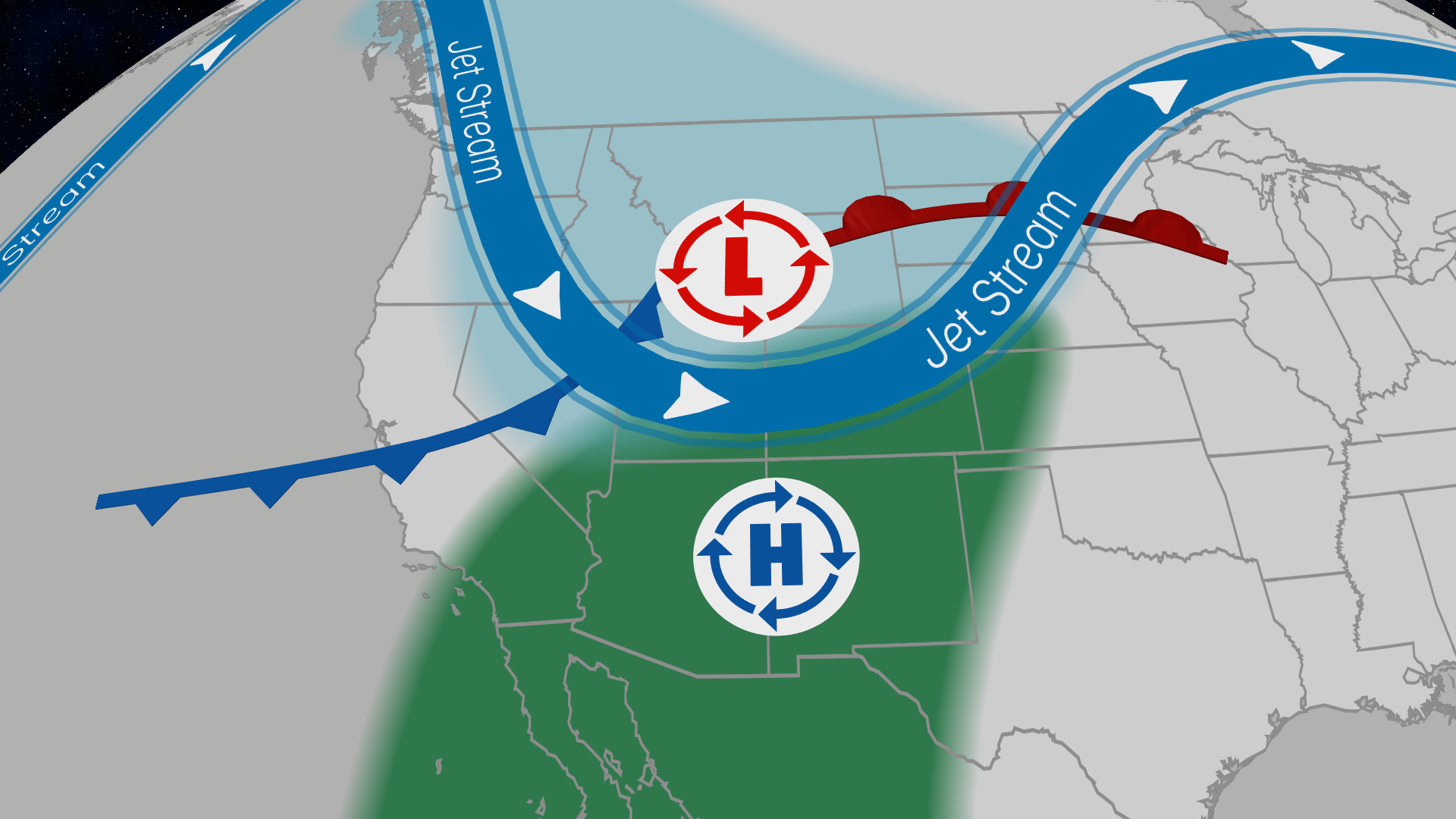
Tornadoes surge in Arizona, New Mexico this month. Here’s why. – The Weather Channel
When the Desert Spins If you live in the Southwest, severe weather and tornadoes rarely interrupt an afternoon....

Trudy Redus, founder of Motivating People Across Communities (MPAC), has officially earned the
Professional Milestones and Community Resilience in Jefferson County Trudy Redus, founder of Motivating People Across Communities (MPAC), has...
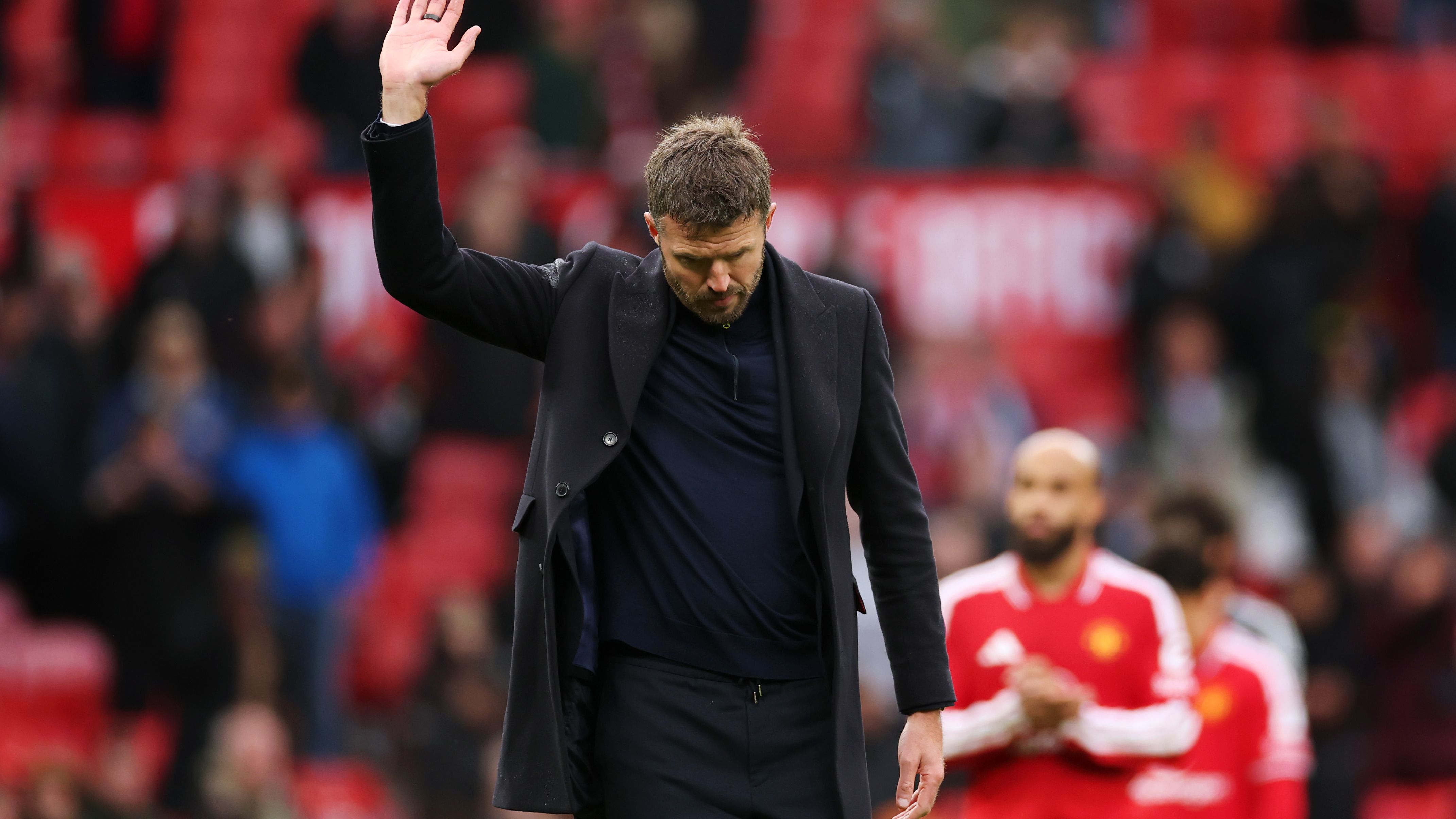
In numbers: Manchester United the worst in the transfer window, Real Madrid runner-up
Manchester United Leads Europe in Transfer Market Losses With £334 Million Deficit Manchester United has managed the transfer...

How to Get Into UNLV: A Complete Guide to First-Year Admission Requirements
For students figuring out how to get into the University of Nevada, Las Vegas for the 2026-2027 academic...