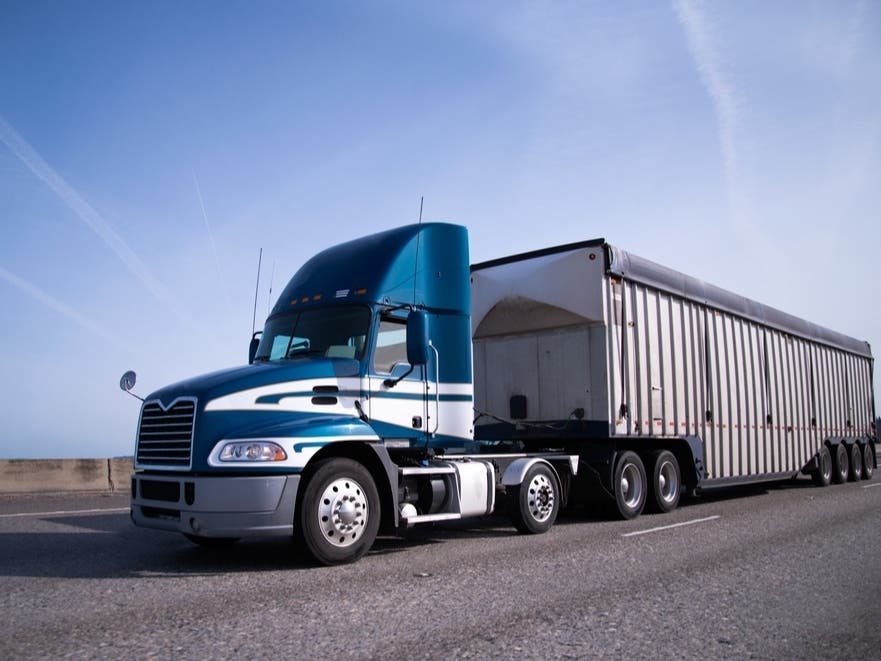
The New Jersey Supreme Court ruled this week that the City of Newark must pay $562,500 to a truck driver who crashed into an unmarked low-clearance overpass after following a municipal truck-route sign, Patch reported.
The unanimous decision restores a jury verdict that an appellate court had erased, holding that the city had no discretion under state law to skip the required warning signs at the last safe exit before the bridge on Foundry Street.
“Pursuant to [state law], the city had no discretion regarding whether to place the required sign at the last safe exit before the low-clearance overpass,” the justices wrote in their opinion.
“And it had no discretion to post an ‘actively deceptive’ truck-route sign on the corner of Foundry and Avenue P that ‘lulled [Wilson] into a false sense of security’ that he could safely turn right without immediately crashing into an unmarked, low-clearance bridge.”
The case centered on N.J.S.A. 27:5G-4, which mandates that every bridge with a clearance below 14 feet 6 inches be marked and that a separate warning sign be posted at the last safe exit or detour. The court found that the city’s failure to post those signs was not immunized by the Tort Claims Act provision cited by Newark’s defense.
Jurors had originally determined that the city acted “palpably unreasonably in creating a dangerous condition” under N.J.S.A. 59:4-2(a). The appellate panel had substituted its own judgment on the immunity question, but the Supreme Court said the evidence supported the jury’s conclusion.
The New Jersey Supreme Court, now the state’s highest court, was not always the court of last resort; under New Jersey’s 1776 and 1844 constitutions the name “Supreme Court” referred to a lower tribunal, while a separate Court of Appeals or Court of Errors and Appeals served as the final authority.
The modern court took its present form under the 1947 constitution, replacing the Court of Errors and Appeals and gaining the power to hear appeals, prescribe court rules, regulate the legal profession, and act as the decennial redistricting tie-breaker. Two of its former justices, Mahlon Pitney and William J. Brennan Jr., later became associate justices of the United States Supreme Court.
The ruling sends the matter back to the trial court with instructions to reinstate the full award to the driver, Wilson, and his wife.
Related reading
- WSJ Reports Tech Outages Hit Year High, Systemic Events Below Normal; Identifies Four Risk Channels
- Lewis and Clark National Forest in Montana Logged 269,000 Visits in Its Survey Year
- Italy’s Supreme Court Upholds Life Sentence for Ex-Doctor Who Killed Wife, Mother-in-Law with Drug Cocktail (archyde.com)

WSJ Reports Tech Outages Hit Year High, Systemic Events Below Normal; Identifies Four Risk Channels
Widespread technology outages hitting Microsoft, United Airlines, and JPMorgan Chase in the week through Tuesday reached their highest...
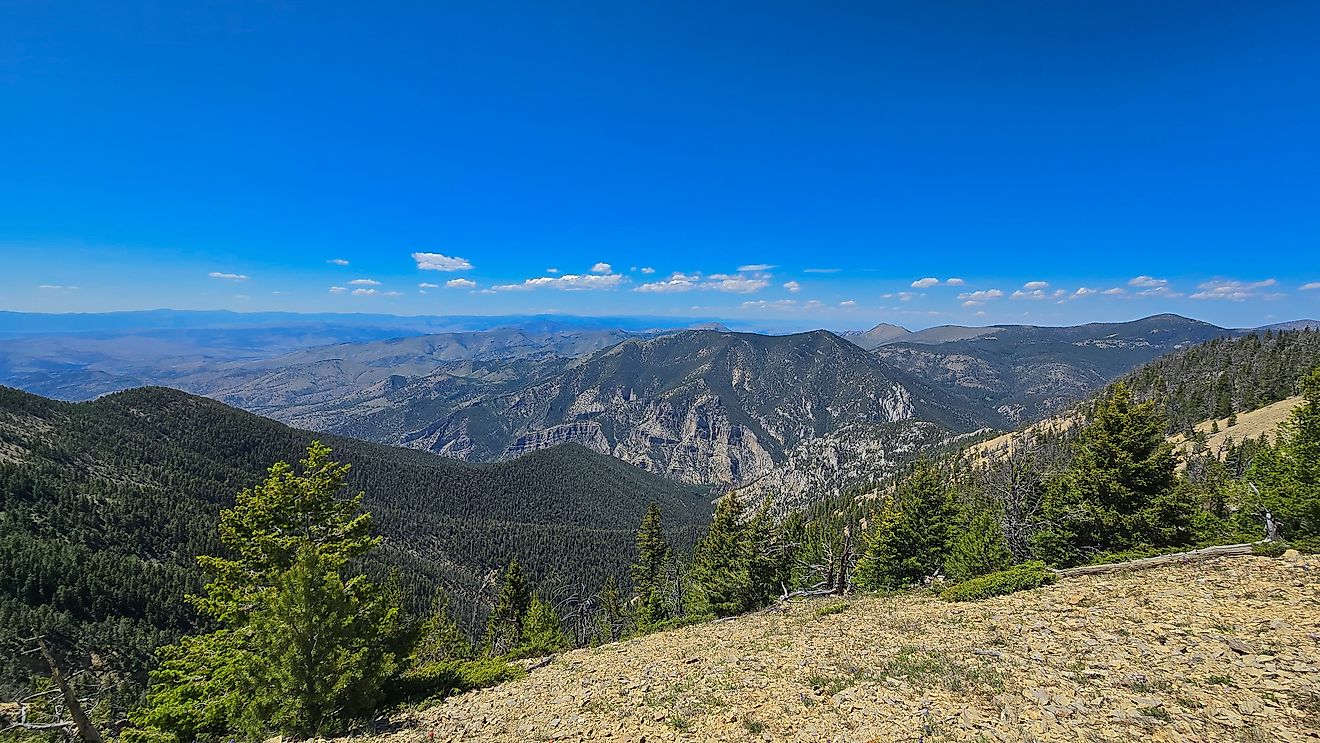
Lewis and Clark National Forest in Montana Logged 269,000 Visits in Its Survey Year
Lewis and Clark National Forest in Montana logged 269,000 visits in its survey year, while Nantahala-Pisgah in North...

New Mexico Environment Department Shuts Six Ojo Santa Fe Pools Over Disinfection, Safety Violations
The New Mexico Environment Department shut down six of the ten communal pools at Ojo Santa Fe on...

Oklahoma Hosts Texas A&M in Renewed Rivalry: Sooners Eye Third Straight Win Against Aggies
Oklahoma hosts Texas A&M at 2:45 p.m. Saturday on ESPN2, renewing a dormant rivalry for the first time...