NOAA Fisheries is expanding how stakeholders interact with marine planning in Alaska through a new digital tool designed to streamline the identification of Aquaculture Opportunity Areas (AOA).
The 2026 Alaska Aquaculture Accomplishments Report, recently released by the NOAA Fisheries Alaska Regional Office, details how the agency is moving from broad mapping to localized, hands-on support for the state’s growing shellfish and seaweed sectors.
A central pillar of this year’s progress involves the AOA Alaska Atlas, which was originally published by NOAA’s National Centers for Coastal Ocean Science in February. The agency has now implemented a digital interface that allows users to submit comments for future opportunity areas, making the public comment process more accessible to local communities and industry players.
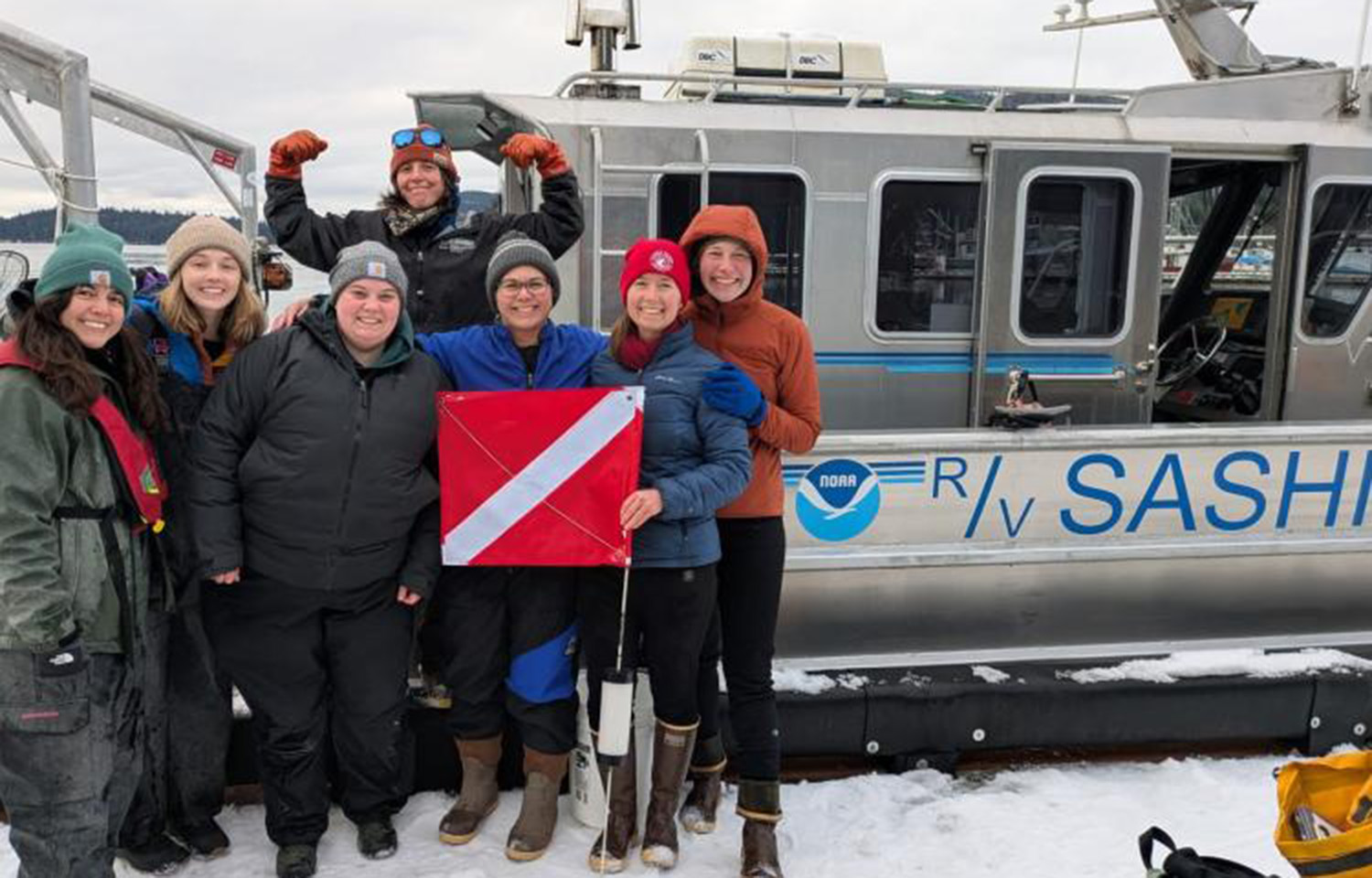
This shift toward digital accessibility follows a series of direct field engagements. Throughout the year, staff from the Alaska Regional Office conducted site visits to aquaculture facilities in Kodiak, Ketchikan, and Craig. These visits were intended to bridge the gap between federal policy and local reality by observing farm operations, equipment needs, and specific research requirements firsthand.

For many small-scale operators, these visits served as a direct line of communication to federal regulators. Farmers used the opportunity to express their specific operational needs, helping NOAA prioritize its state and federal objectives based on actual field conditions.
The report also highlights how federal funding is being used to address labor and expertise gaps within the industry. Through the NOAA Alaska Marine Education and Training Mini-Grant program, specific companies have been able to formalize training for new workers.
In Juneau, the Salty Lady Seafood Company utilized this funding to train two recruits in shellfish farm management across 2025 and 2026. According to a NOAA release, these trainees participated in hands-on farm operations and shellfish processing while also engaging in collaborative research with the University of Alaska Fairbanks and NOAA Fisheries.
This research component included critical environmental monitoring, such as tracking harmful algal blooms and testing methods to reduce biofouling on equipment.
Beyond workforce development, the Alaska Fisheries Science Center has focused heavily on the biological challenges facing Alaskan farmers. The agency’s research this year targeted the specific vulnerabilities of shellfish and seaweed cultivation in northern waters.

Research into Pacific oysters has been particularly intensive. Scientists have been working to understand regional variations in how these oysters grow and survive, while also investigating the impact of shell-boring polychaetes on stock health. To improve production, researchers have been field-testing new approaches to oyster seed and hatchery management.
The scope of the research extends to the ecological relationship between different marine species. Scientists have been investigating how kelp farm infrastructure acts as a habitat for nearshore fish and invertebrate populations. This study includes evaluating how temperature fluctuations and food availability affect oyster spat development.
These findings are intended to provide a scientific foundation for farmers attempting to scale operations in a changing marine environment.
Related reading

Taylor Grocery Catering Donates $200,000 to Ole Miss Alumni Center
“This gift came about from our love of Ole Miss and wanting to give back to what has...

Sanford Health Physician Joins AHA Event on Rural Maternal Care
Physician leaders from Sanford Health are convening in Minneapolis to address the specific challenges of delivering maternity care...

Ex-Detective Matthew Farwell Convicted of Murdering Pregnant Woman
A former Massachusetts police detective will serve a mandatory life sentence after being convicted of murdering Sandra Birchmore,...

Riverlights Housing Expands to Over 3,000 Residents, Brookfield Says
Riverlights has grown into a community of more than 3,000 residents, according to developer Brookfield Properties, as the...