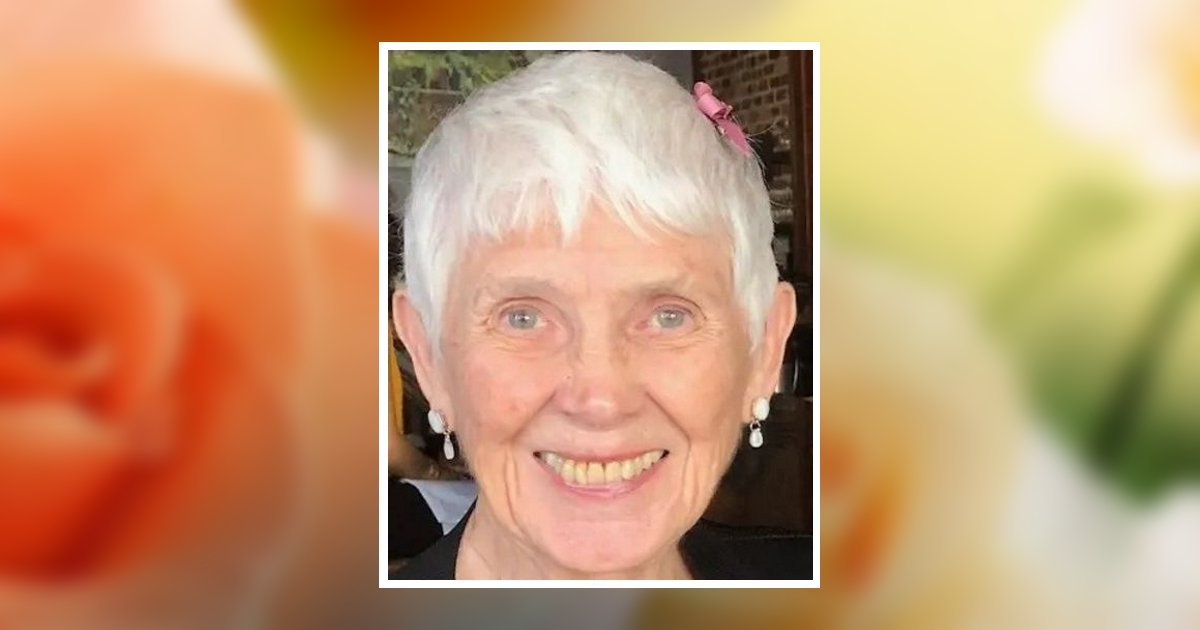
Norma Sanders Bourdeaux died in Oxford, Mississippi, on November 11, 2026, at 96, leaving a ledger of firsts that began in a cockpit at 17 and ended in a graduate studio at 74.
Robert Barham Family Funeral Home reported the cause as complications from breast cancer and dementia. The Clarion Ledger noted she had spent her final 15 years in Oxford. Waller Funeral Home & Cremation Services published the same obituary on November 13.
A pilot before a driver
Born June 10, 1930, in Birmingham, Alabama, she was the eldest of three daughters of Hanson “Ham” Earle Sanders and Ethelyn Lou “Big” Milton Sanders. The family moved with her father’s search for work — Houston, Salt Lake City, Cheyenne, Detroit, Haleyville, Meridian — and Ham, an Army enlistee hoping to fly, was stationed at Fort Warren, Wyoming, when Pearl Harbor was bombed.
In Meridian, Ham opened a lumber business and struck a bargain: Norma would earn a pilot’s license before a driver’s license. Her mother refused to chauffeur her to the airfield, so Ham left work to drive her until he relented. At 16 she held a student license; at 6:00 a.m. on her 17th birthday, June 10, 1947, she was issued her pilot’s license, Robert Barham Family Funeral Home reported.

Grand jury, gallery, legislature
She graduated Meridian High School in 1948, attended Stephens College, then transferred to the University of Alabama for a commercial arts degree. There she flew Pi Beta Phi sisters in her father’s Ercoupe until the dean of women summoned her. “Please show me in the student handbook where it says I am not allowed,” she replied, according to the funeral home account.
She married Tom Bourdeaux, a Meridian lawyer, on October 11, 1952, at St. Paul’s Episcopal Church. Four children followed in 11 years. She sewed their clothes, cooked despite hating kitchens — except a notorious casserole with pulverized potato chips — and later swapped roles with Tom, who took over the stove while she became “scullery maid.”
She worked credit at Sears, Roebuck, co-founded the Meridian Museum of Art, taught art at Meridian High and Meridian Junior College, led Girl Scouts, and served on Gov. William Winter’s Commission for Children and Youth.
In the 1960s she sat on the federal grand jury that indicted 19 men for the murders of James Chaney, Andrew Goodman, and Mickey Schwerner. When the 1967 trial opened in Meridian, she attended nearly every session, sketching and taking notes, then assembled scrapbooks donated to the Mississippi Department of Archives and History.
Decades later, that experience drove her 1991 campaign for the Mississippi House under the slogan “Norma Bourdeaux, Not Just Another Good Ol’ Boy.” She knocked every door in the district, won, and served 1992–2000.
Her signal achievement: authoring the MPACT bill, the Mississippi Prepaid Affordable College Tuition Plan, letting families lock in tuition at sign-up. Tom died suddenly in October 1995, days before her re-election; she returned to the Capitol as a widow and finished the term.
MFA at 74, retrospective at 80
After leaving office she chose an MFA over an RV. At the University of Mississippi she served professors hot tea before each critique, then fussed about required undergraduate prerequisites. In December 2004, at 74, she graduated with a 4.0 GPA.
A retrospective at the Meridian Museum of Art reached back to a cross-stitch from age 10. Her work entered two Mississippi Invitationals at the Mississippi Museum of Art and its permanent collection. She won the Jane Crater Hiatt Artist Fellowship, traveling to Italy and across Canada by rail.
Survivors include daughters Lisa Percy (Billy) of Greenville, Marian Barksdale (Claiborne) of Oxford, Ellen Bourdeaux of Jackson, son Thomas Bourdeaux III (Christina) of Cape Elizabeth, Maine, sister Sue Sanders Farr of Pearl, five grandchildren, one unborn great-grandchild, and numerous nieces and nephews.
Founded in 1837 upon land purchased from a Chickasaw landowner, Oxford was established with the specific intention of becoming a center of learning in the Old Southwest. This ambition was realized in 1841 when the Mississippi legislature selected the city as the site for the state’s first university, the University of Mississippi.
Today, the city serves as the county seat of Lafayette County and is widely recognized as the hometown of Nobel Prize-winning novelist William Faulkner, who used the local landscape as the inspiration for his fictional Yoknapatawpha County.
A memorial service will be held Saturday, December 12, 2026, at the Episcopal Church of the Mediator in Meridian. Visitation begins at 10:30 a.m., the service at 11:30 a.m., followed by graveside at Magnolia Cemetery.
The family directs memorial gifts to the Thomas and Norma Bourdeaux Scholarship Endowment at Meridian Community College Foundation, the Norma Bourdeaux Art & Art History Endowment at the University of Mississippi Foundation, the Meridian Museum of Art, or the Episcopal Church of the Mediator.
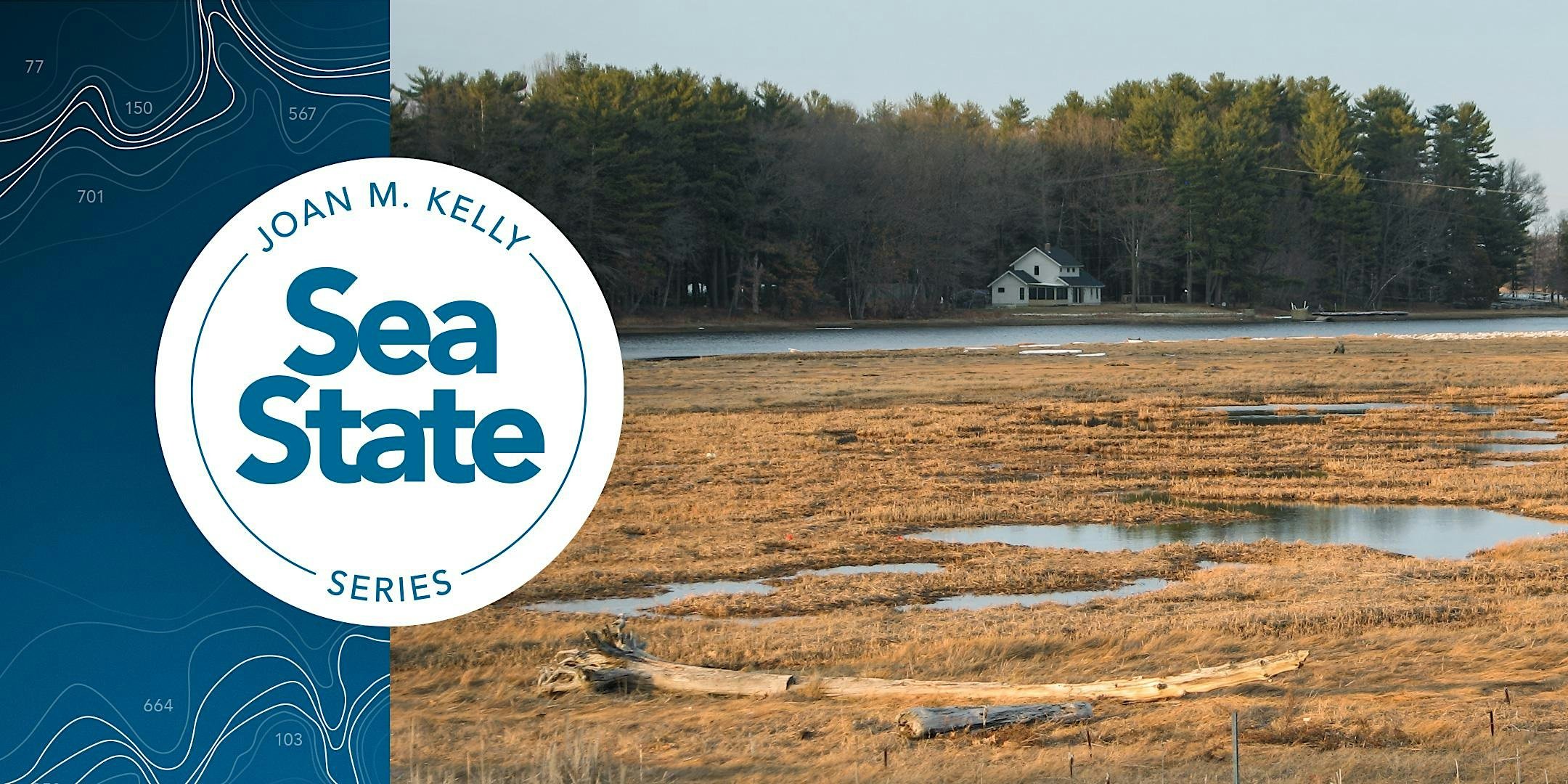
GMRI to Discuss Tidal Restrictions Affecting Carbon in Maine Marshes
Maine’s coastal marshes act as massive, natural sponges for carbon dioxide, but the infrastructure separating them from the...

Ministry of Commerce Reports High-Tech FDI Jump 31.3% in First 10 Months
China's high-tech industries absorbed $37.7 billion in foreign direct investment during the first ten months of 2026, a...
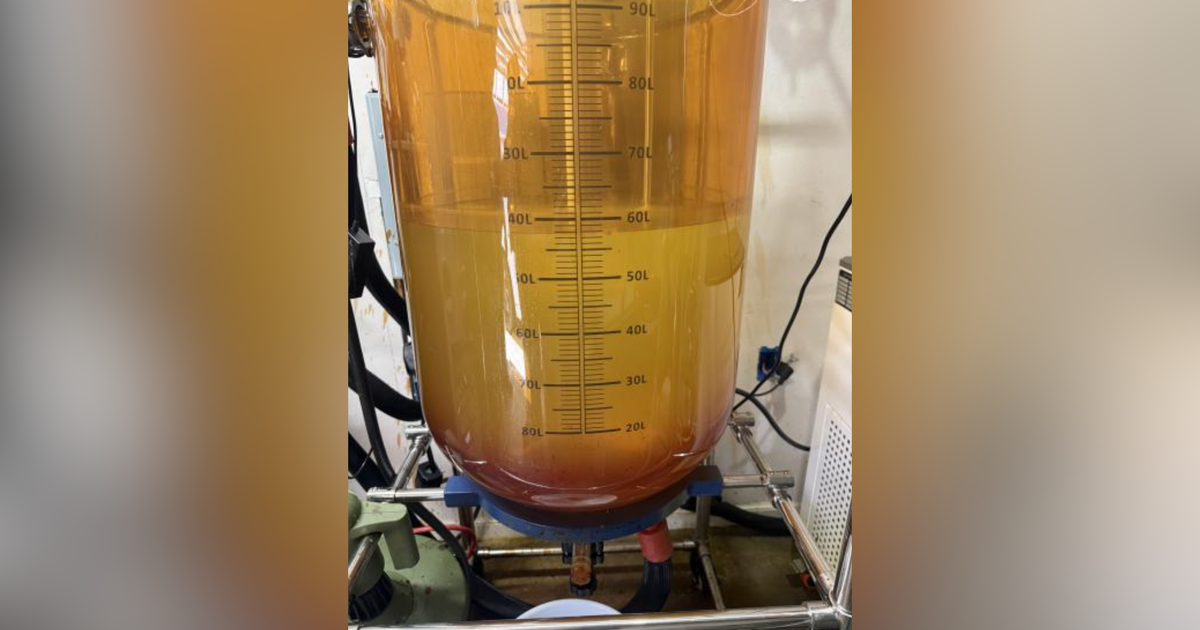
DEA Confirms Nitazene Lab Found in Louisiana, 80x Potency
Agents expected a fentanyl lab. They found something far deadlier. Federal and local authorities dismantled the first known...
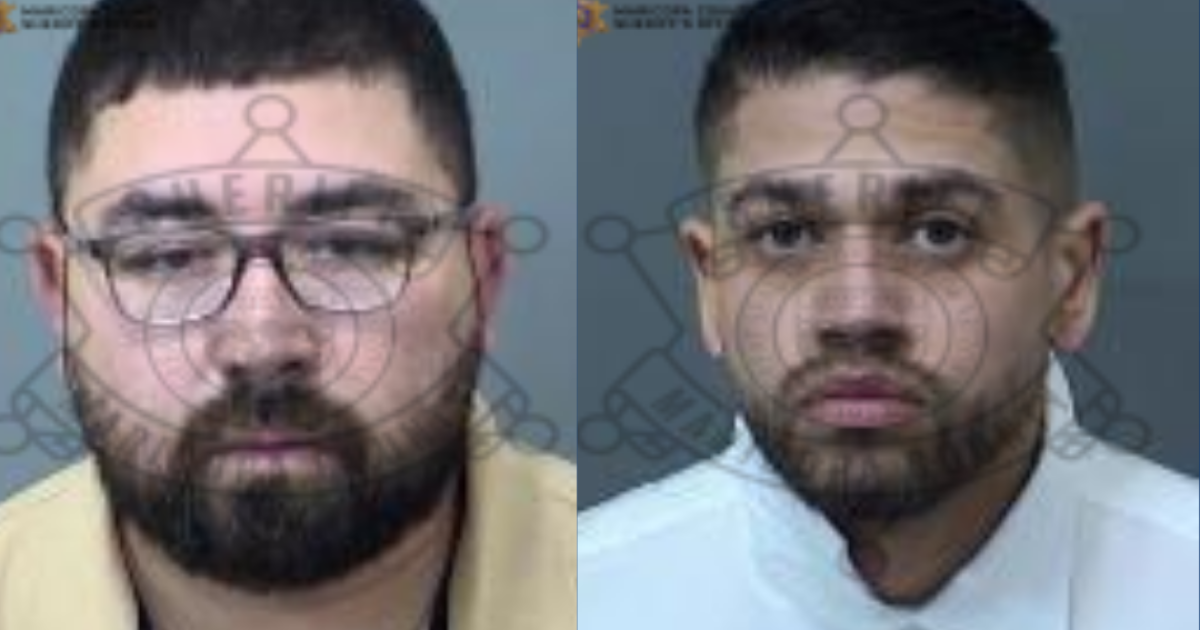
Mitchell Says Review of Other Cases Involving Fired Phoenix Officers Nears End
Maricopa County Attorney Rachel Mitchell said her office is weeks away from finishing a review of other criminal...