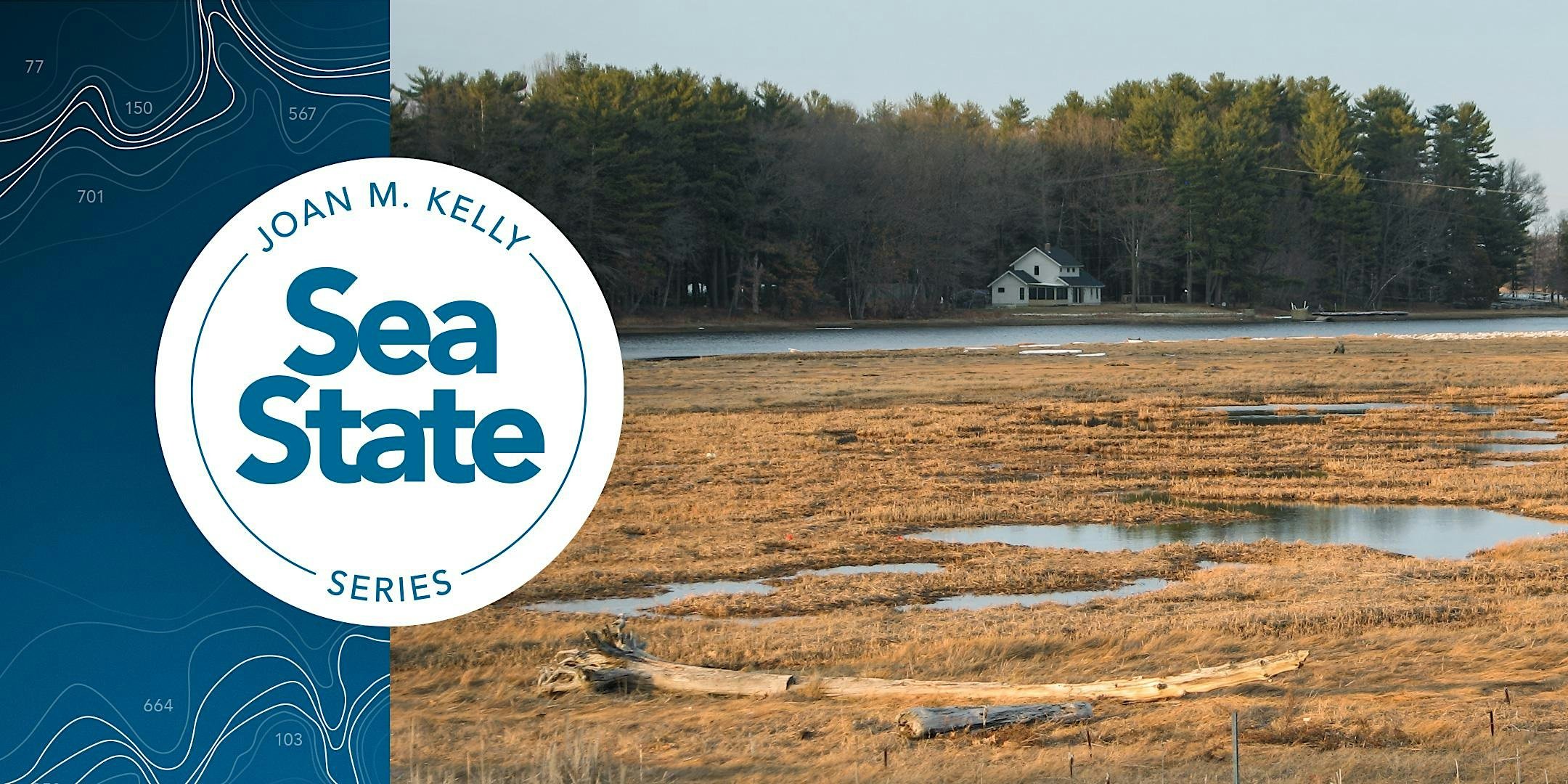
Maine’s coastal marshes act as massive, natural sponges for carbon dioxide, but the infrastructure separating them from the tide is changing how they function.
Roads and other man-made barriers often restrict the flow of water, leaving scientists to determine if these sites are still effectively trapping carbon or if they have become sources of methane emissions.
The Gulf of Maine Research Institute (GMRI) is hosting a public discussion on these coastal habitats to address how tidal restrictions influence the region’s climate resilience. Experts will share methods for mapping these marshes and measuring carbon levels in the soil, providing a clearer picture of where restoration efforts might offer the greatest environmental return.
“We’ll explain how scientists map these habitats and measure carbon in marsh soils, share research on how restricted tidal flow affects carbon uptake and methane emissions, and discuss how that knowledge can help communities decide where protection and restoration will do the most good,” according to the Gulf of Maine Research Institute.
The stakes for Maine’s coastline are significant. As sea levels rise and weather patterns shift, the health of these marshes determines whether they remain a buffer against climate change or a liability. Understanding the balance between carbon sequestration and methane release is essential for local communities and policymakers tasked with coastal management and infrastructure planning.
The upcoming session features a panel of researchers and conservation leaders. Participants include Claire Enterline, a program manager at GMRI; Dr. Beverly Johnson from Bates College; and Bri Benvenuti, the Manager of Conservation Programs Northeast at Ducks Unlimited. They will explain blue carbon science and show how using data in land decisions can strengthen the state's climate resilience.
Healthy marshes offer clear ecological benefits, but managing them involves balancing complex economic and logistical trade-offs. Restricted tidal flow is often the result of critical transportation infrastructure, such as roads and culverts, that communities rely on daily. The conversation aims to bridge the gap between abstract climate science and the practical, hard-to-solve problems facing Maine’s local governments.
The event will take place on November 20, 2026.
Doors will open at 5:30 pm with complimentary refreshments provided, and the formal program is scheduled to begin at 6:00 pm. Attendees can access free parking in the lot adjacent to the building. The presentation will conclude with a Q&A session, offering an opportunity for the public to engage directly with the researchers on the long-term implications of their findings.
Worth a look

Kennesaw State’s 11-Straight Semifinal Streak Ends in Five-Set Loss to Missouri State at CUSA Championship
Kennesaw State's streak of eleven straight conference tournament semifinals ended Friday night in Bowling Green, Kentucky, when the...
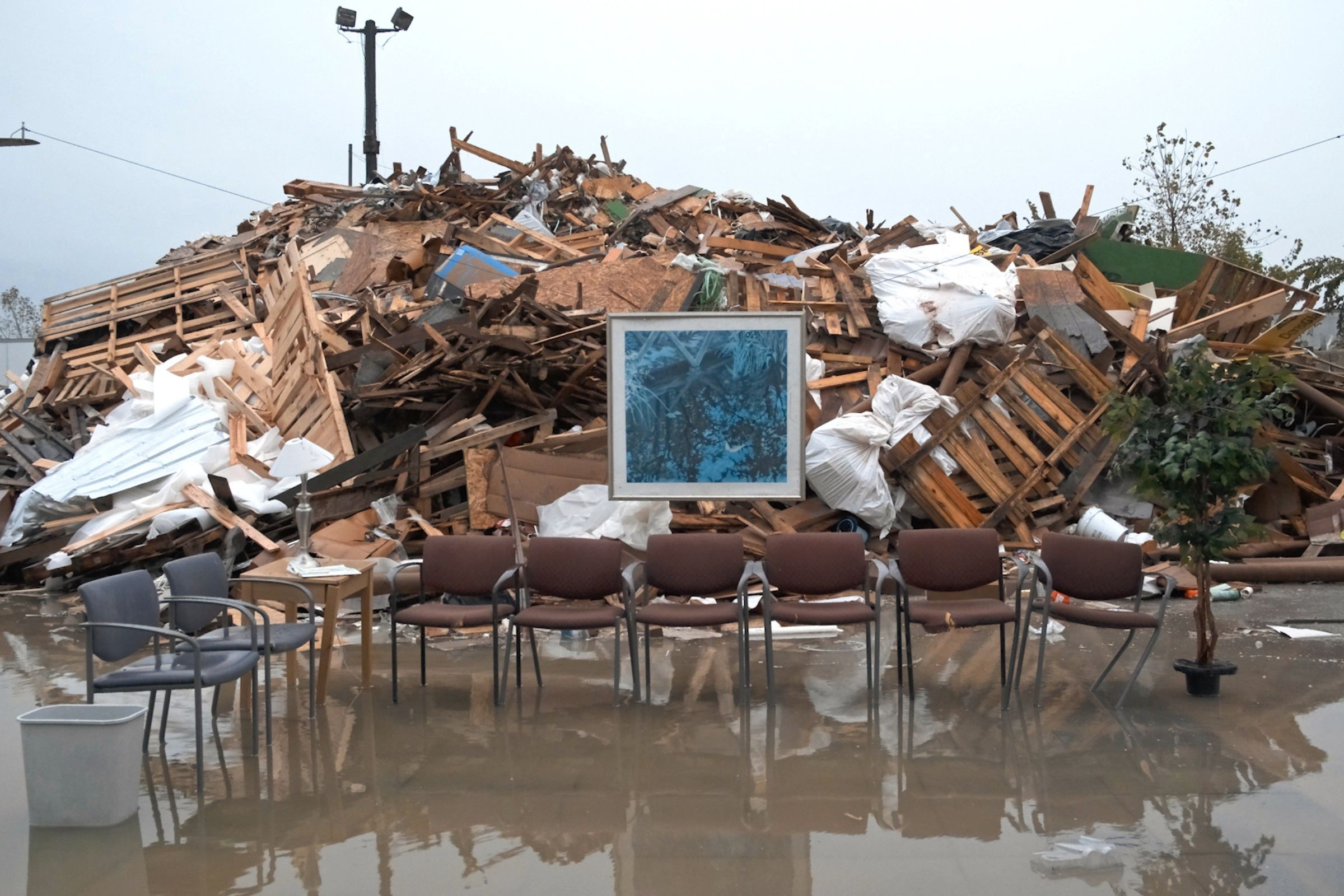
Waste Scenes Speculation Labor and Artistic Production at ICA Philadelphia
The Institute of Contemporary Art (ICA) at the University of Pennsylvania is currently hosting Waste Scenes: Speculation, Labor,...

St. Paul Fires Football Coach Austin Montoya, Wisevoter Reports
St. Paul High School fired football coach Austin Montoya on Friday after one season and a 2-8 record,...

Kentucky Finishes 5th in Women’s, 6th in Men’s at Ohio State Invite
No. 16/25 Kentucky swimming and diving closed the Ohio State Fall Invitational on Friday with two program top-10...