
Dozens of residents across North Dakota and western Minnesota have filed for bankruptcy protection as of early November 2026, according to records released by the U.S. Bankruptcy Court.
The filings, which include petitions from Valley City to Grand Forks and across the border into Minnesota counties like Clay and Otter Tail, show that individuals and families in the region are facing heavy financial strain.
According to InForum, the wave of filings includes both Chapter 7 liquidations and Chapter 13 debt reorganizations. These legal actions represent a formal acknowledgment of insolvency, with petitioners seeking either to discharge debts by liquidating assets or to establish court-monitored plans to repay creditors over time.
Court Filings by Location
The recent batch of filings spans a wide geographic area. In North Dakota, the individuals seeking relief include Penney Lynn Leifson of Valley City, Kayla Ranae Bolden of Fargo, and Brandon James Jaeger of Dickinson. Minot residents Edward Harry Bruner and Rosa Marie Baumgarten, along with Lauren Sells, have also entered the court system. Other filings involve residents from Tioga, Bismarck, Wahpeton, West Fargo, Grand Forks, Williston, and Sykeston.

Across the border in Minnesota, the court has processed filings from residents in Becker, Clay, Douglas, Grant, Hubbard, Mahnomen, Norman, Otter Tail, Polk, Traverse, Wadena, and Wilkin counties. Among those listed are Michelle Rae and Beckman Everett Motschenbacher of Wadena, Samantha Marilyn Vareberg of Audubon, and Cody Matthew and Karri Ann Pikula of Hoffman.
Chapter 7 and Chapter 13 Distinguish Bankruptcy Types
The distinction between the types of bankruptcy filed is critical for those managing these financial shifts. Chapter 7, the most common filing among this group, is a petition to liquidate assets and discharge unsecured debts. In contrast, Chapter 13 provides a mechanism for wage earners to readjust their debts, allowing them to retain assets while following a court-approved repayment schedule.
Bankruptcy filings from the past week in all of North Dakota and Becker, Clay, Douglas, Grant, Hubbard, Mahnomen, Norman, Otter Tail, Polk, Traverse, Wadena and Wilkin counties in Minnesota. https://t.co/3YWaXztl2o
While the court records provide a snapshot of individual financial distress, they also serve as a broader indicator of the economic climate in the Upper Midwest. Bankruptcy law is governed by the federal judiciary, which outlines the specific obligations and protections afforded to both debtors and creditors. For many of these families, the filing is the final step in a long process of managing mounting liabilities.
In addition to the standard filings, the records note legal name changes for several individuals, such as Marissa Ann Roeder, formerly known as Marissa Lindemoen, and Stacie Marie Hawks, formerly known as Stacie Dayton. These details, while administrative, reflect the complex personal histories often tied to insolvency proceedings.
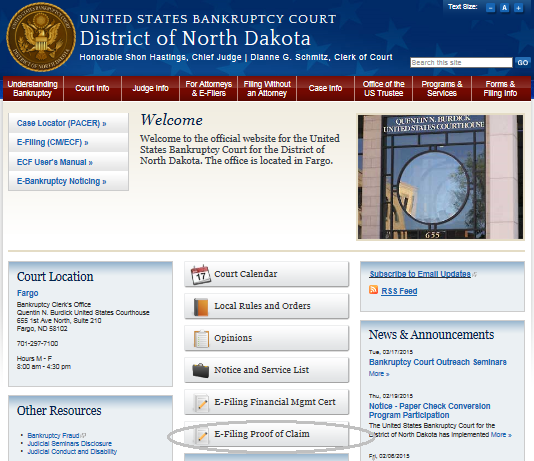
Rising Bankruptcy Filings Affect Local Credit and Spending
The impact of these filings extends beyond the individuals named in the court documents. When local bankruptcy rates rise, local credit markets, small business lending, and household spending patterns often shift, affecting the broader community.
While these filings are a matter of public record, they represent personal crises for the households involved. The court will now begin the process of reviewing the petitions, verifying assets, and determining how to distribute remaining funds to creditors. For those in North Dakota and western Minnesota, the coming months will be defined by these court-led reorganizations and the search for a path toward financial stability.
Related reading

Eurochambres Survey: Financing is Top Concern for Greek Businesses
Greek business owners are bracing for a difficult 2027, with financing conditions emerging as a primary barrier to...

Wisconsin Hosts Cooking, Watercolor, and Trivia Events This Week
Wisconsin residents can participate in several local cooking, crafting, and social events throughout the week of November 8,...

Bird Flu Detected at Pierce County Poultry Facility in Washington
Western Washington farmers are facing a familiar, high-stakes anxiety this week after the Washington State Department of Agriculture...
Search Underway for Burlington Man Who Fell into Lake Champlain
Search Operation Underway in Kingsland Bay A search and recovery operation is currently active on Lake Champlain following...